Faith Nyasuguta

Mali has been plunged into renewed instability following a series of coordinated attacks by jihadist fighters and separatist rebels that have shaken the country’s already fragile security structure. The large-scale offensive targeted key military and administrative centers, leaving senior officials dead, strategic towns seized, and raising fresh concerns about the direction of the conflict in the Sahel.
Among the most significant casualties was Defence Minister Sadio Camara, who died after an attack on his residence in the garrison town of Kati, a critical military hub near the capital, Bamako. Authorities reported that a suicide attacker drove an explosives-laden vehicle into his compound, triggering a violent explosion followed by a gun battle. Camara sustained severe injuries during the assault and later died in hospital, marking a major blow to the country’s military leadership.

Also reported killed was military intelligence chief Modibo Kone, further deepening the crisis within Mali’s security apparatus. Both men were central figures in the coups that reshaped the country’s leadership in 2020 and 2021, which ultimately brought the current military government to power under Assimi Goïta.

The attacks were carried out by a rare alliance between the al-Qaeda-linked group Jama’at Nusrat al-Islam wal-Muslimin (JNIM) and the separatist Azawad Liberation Front (FLA). Historically adversaries with different goals – one seeking Islamist governance and the other independence for northern Mali – their coordinated assault signals a dangerous convergence of interests.

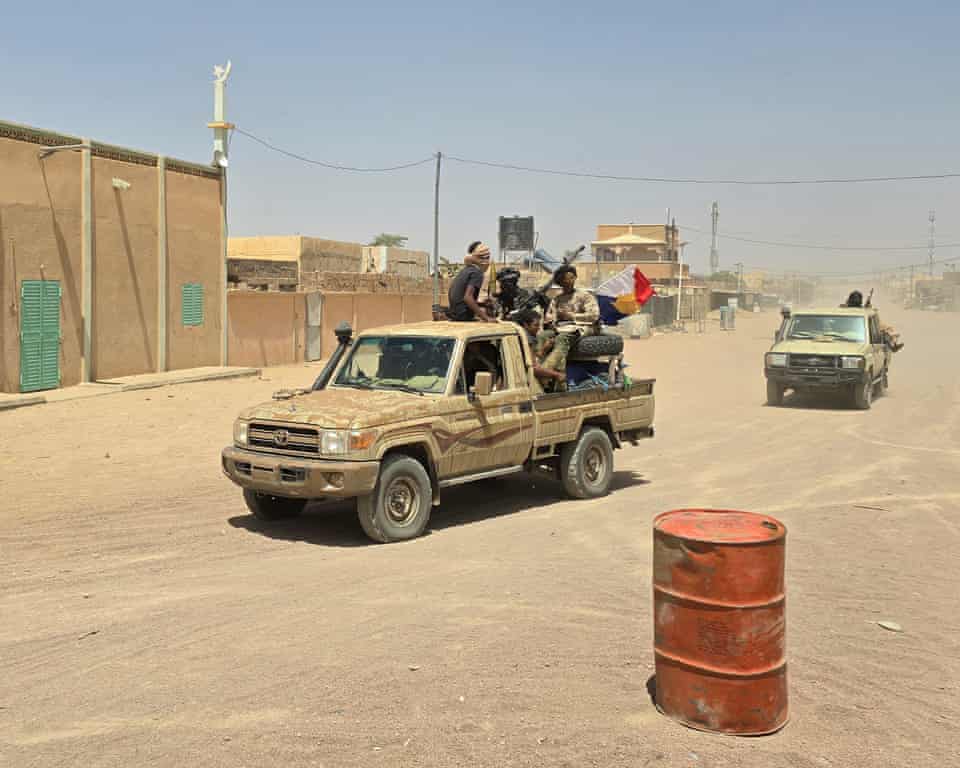
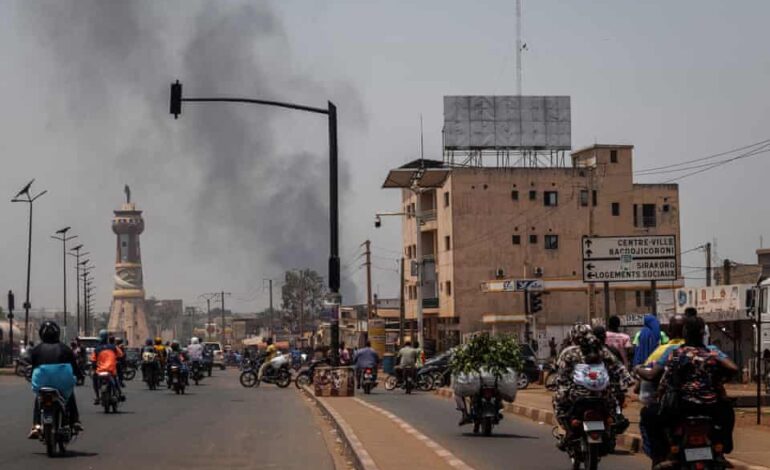
Multiple locations came under fire, including Kati, the eastern city of Gao, and central towns such as Mopti and Sevare. Witnesses reported heavy gunfire and explosions near Bamako’s main airport and key military installations, forcing a temporary shutdown of the airport. Militants reportedly used advanced tactics, including car bombs and armed drones, underscoring the evolving sophistication of insurgent operations in the region.
In a symbolic and strategic setback, Malian forces and their allies withdrew from the northern city of Kidal, long considered a stronghold of Tuareg separatists. The Kremlin-linked Africa Corps, which supports Mali’s military government, confirmed its pullout from the area alongside Malian troops. The withdrawal followed what rebel sources described as a negotiated exit, allowing separatist forces to consolidate control over the region.

The loss of Kidal is particularly significant. It not only strengthens separatist claims in the north but also highlights the limitations of Mali’s current security partnerships. After distancing itself from Western allies, the junta had turned to Russian-backed forces, initially through the Wagner Group and later through Africa Corps. However, recent developments suggest that this alliance has struggled to deliver lasting stability.
The broader context reveals a country grappling with multiple layers of conflict. Mali has long faced insurgencies linked to both al-Qaeda and the Islamic State, alongside a persistent separatist rebellion in the north. Although the Islamic State’s Sahel affiliate was not prominently involved in the latest attacks, the overall security landscape remains deeply volatile.
Regional and international reactions have been swift. The Economic Community of West African States (ECOWAS) called for a unified and coordinated response to the growing insurgent threat across West Africa. Meanwhile, Antonio Guterres expressed deep concern, highlighting the humanitarian risks facing millions of Malians already in need of assistance.
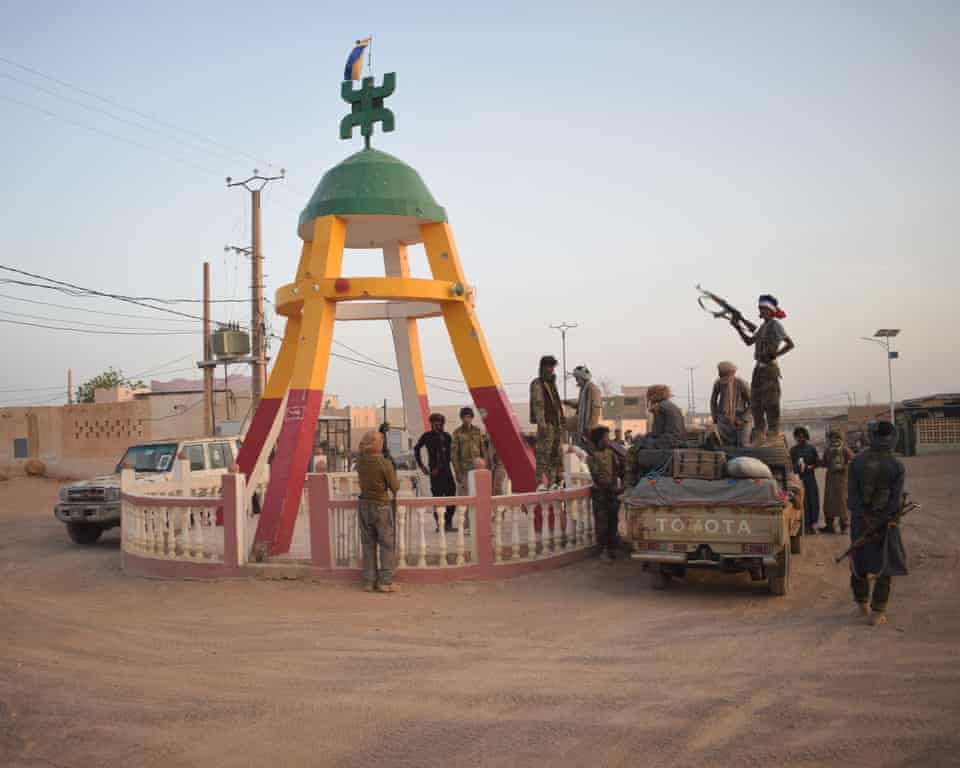
Within the Sahel, Mali’s allies in the Alliance of Sahel States (AES) – including Burkina Faso and Niger – framed the attacks as part of a broader struggle against external interference, though no concrete evidence was provided to support these claims.
As the dust settles, questions are mounting over the resilience of Mali’s military leadership, the effectiveness of its foreign partnerships, and the future of stability in the region. The coordinated nature of the attacks, the high-profile casualties, and the territorial losses all point to a significant escalation in a conflict that shows little sign of easing.
For Mali, the latest violence is not just another setback – it is a stark reminder that the battle for control, legitimacy, and peace in the Sahel is far from over.
RELATED: