Faith Nyasuguta

A powerful investigation by BBC is bringing long-buried stories to light in Kenya, where children born near a British military base are finally discovering the truth about absent fathers – many of them linked to the British Army.
For years, some of these children were told their fathers were dead.

Nine-year-old “Edward” grew up knowing only fragments. His lighter skin made him a target for bullying, with classmates calling him “the British coloniser.” His father disappeared before he was born, leaving his mother, Nasibo, struggling alone. She says she once believed the man loved her – he had even spoken about the future and brought back an engagement ring. But four months into her pregnancy, he left for the United Kingdom and never returned.
“I used to think they were gentlemen,” she says of the soldiers.

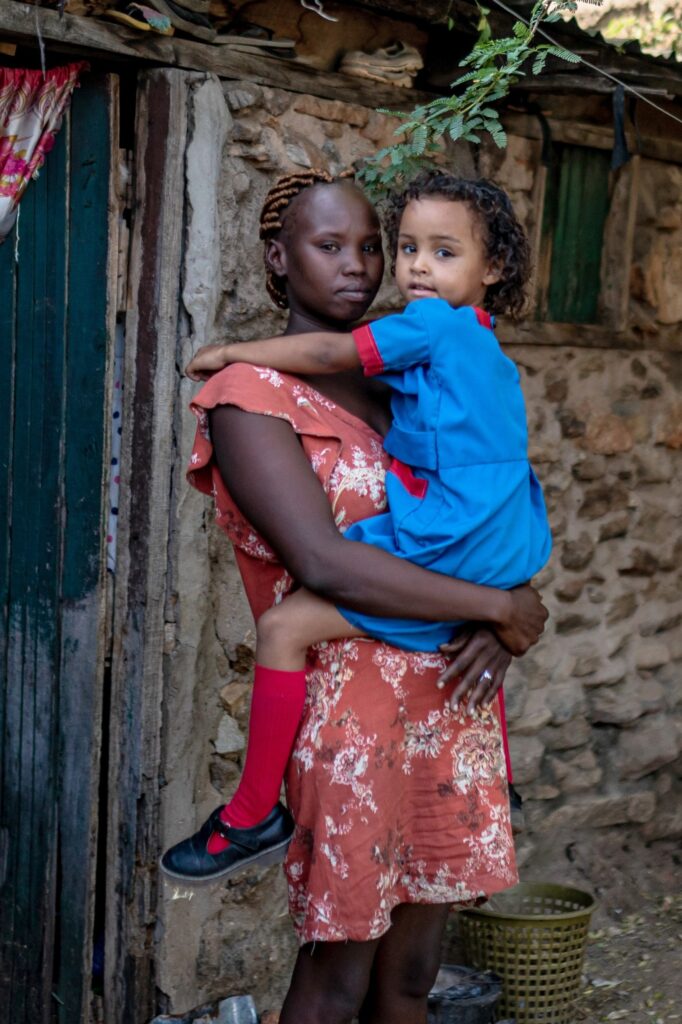
Now, through DNA testing and legal action, Edward’s father has been identified. While he has resisted contact, the discovery opens the door to child support and legal recognition – something that once felt impossible. Edward’s story is just one of many.
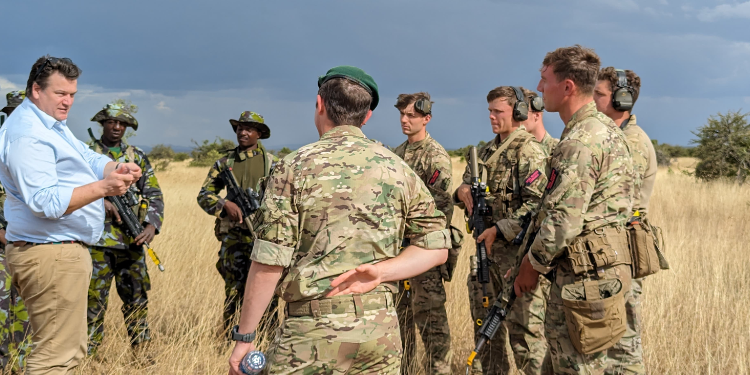
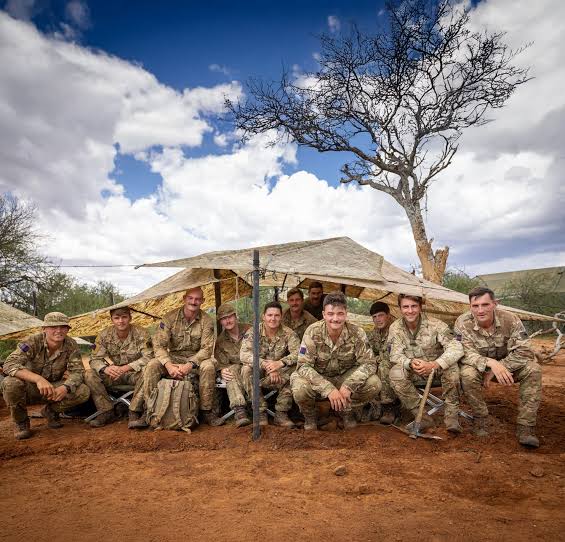
The investigation has uncovered nearly 100 documented cases of children believed to have been fathered by British soldiers or contractors stationed at the British Army Training Unit in Kenya (BATUK), based in Nanyuki. So far, 12 paternity cases have been legally confirmed in UK courts, marking a major breakthrough in what experts describe as an unprecedented use of DNA in cross-border legal claims.

The process is both scientific and deeply human.
Lawyers and genetic experts travelled to Kenya with DNA kits, collecting samples from families and comparing them against global genetic databases – some with tens of millions of profiles. The results have been striking, with matches ranging from distant relatives to direct identification of fathers.For many, the truth has been life-altering.
Eighteen-year-old Yvonne grew up believing her father had died. Her mother passed away when she was a baby, and she was raised by relatives who had little information. It was only through DNA matching that she discovered her father is alive and living in the UK. After initially avoiding the process, he was compelled by court orders to take a test, which confirmed the link. Still, he has not yet agreed to build a relationship.
Not all stories end in distance. A former British soldier, identified through the same process, has begun reconnecting with his now 20-year-old daughter. After years of separation caused by lost contact and personal struggles, he is now offering financial support and attempting to rebuild a bond. “I can never make up for the time lost,” he admitted, “but I will do what I can now.”
These cases are forcing a wider conversation.
A Kenyan parliamentary inquiry released in late 2025 described a “culture of impunity” around the military base, citing cases of abandonment, rights violations, and lack of accountability. The presence of thousands of rotating personnel over decades has created a pattern—relationships formed, then broken, often leaving women and children without support.
The UK Ministry of Defence has acknowledged concerns, stating it is “deeply concerned” by allegations of children left without proper care and insists that personnel are expected to take responsibility. However, enforcement remains complex, especially when cases span borders and legal systems.
For advocates, the issue is clear. This is no longer just about individual relationships – it is about accountability, identity, and justice. DNA is now doing what institutions failed to do: connecting children to their fathers and forcing long-overdue recognition.
For children like Edward and Yvonne, the science is not just about answers. It’s about finally being seen.
RELATED: