Faith Nyasuguta

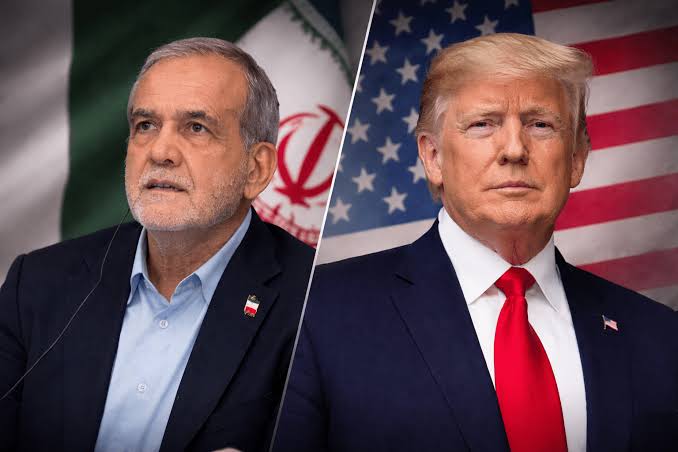
The United States and Iran have moved to de-escalate rising hostilities with a proposed two-week ceasefire, offering a temporary pause in a conflict that has unsettled global markets and heightened fears of a broader regional war. Central to the agreement is the reopening of the Strait of Hormuz, a critical maritime corridor through which nearly a fifth of the world’s oil supply passes.
The truce follows days of heightened rhetoric and military pressure, with U.S. President Donald Trump initially signalling openness to a negotiated framework before later casting doubt on elements of Iran’s proposal. Despite mixed messaging, both sides appear to have aligned on the need for a short-term pause, though neither has clearly outlined when or how the ceasefire will be fully implemented.

At the heart of the discussions is maritime security. Iran has indicated willingness to restore safe passage through the Strait of Hormuz, easing global concerns over disrupted oil shipments. Reports also suggest proposals allowing Iran and Oman to introduce transit-related arrangements in the waterway – an unprecedented shift for a route historically treated as an international passage without tolls.

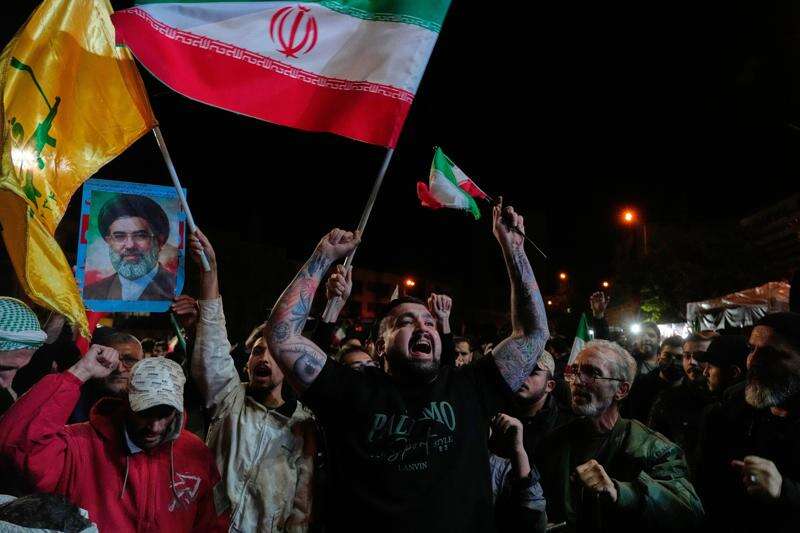
However, the ceasefire remains fragile and incomplete. Military operations have not entirely stopped, with Israel reportedly continuing strikes on Iranian-linked targets, even as Washington signalled support for the truce framework. Iran, on its part, has maintained a posture of conditional compliance, tying any sustained de-escalation to a halt in external attacks.

The geopolitical stakes are significant. The Strait of Hormuz is not only vital to global energy flows but also a strategic chokepoint whose disruption can trigger immediate economic consequences worldwide. Recent tensions have already caused volatility in oil prices, underlining how quickly regional conflict can ripple across global supply chains.
Criticism has also emerged over the conduct and rhetoric surrounding the conflict. Statements warning of large-scale destruction have drawn concern from legal experts and international observers, who argue that such threats raise serious questions under international law, particularly regarding the protection of civilians.

While the ceasefire offers a narrow window for diplomacy, major issues remain unresolved. These include sanctions, regional influence, and long-standing political tensions between Tehran and Washington. For now, the agreement represents a tactical pause rather than a lasting solution.
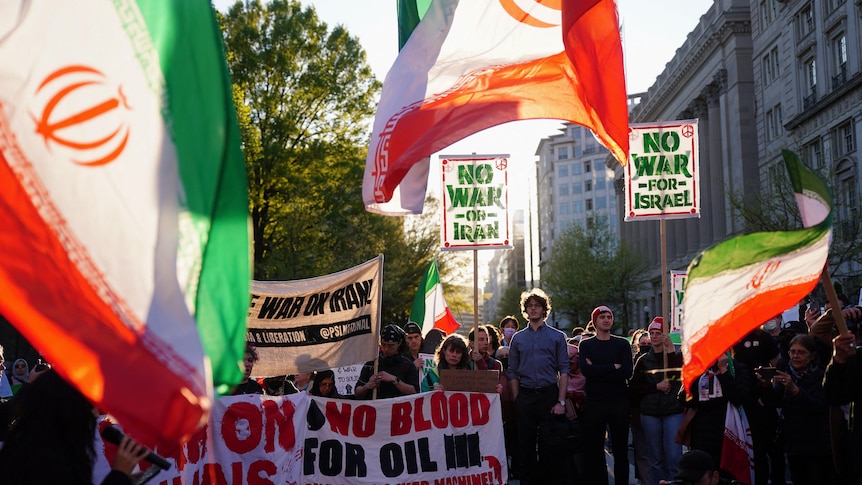
As the two-week period unfolds, attention will shift to whether this fragile truce can evolve into meaningful negotiations – or whether it simply delays another escalation in an already volatile standoff.
RELATED: