Njoki Kangethe

LEDE:
- Title: Whose Future Is It?
- Reimagining Africa’s Tech Cities
- Introduction: From Vision to Reality
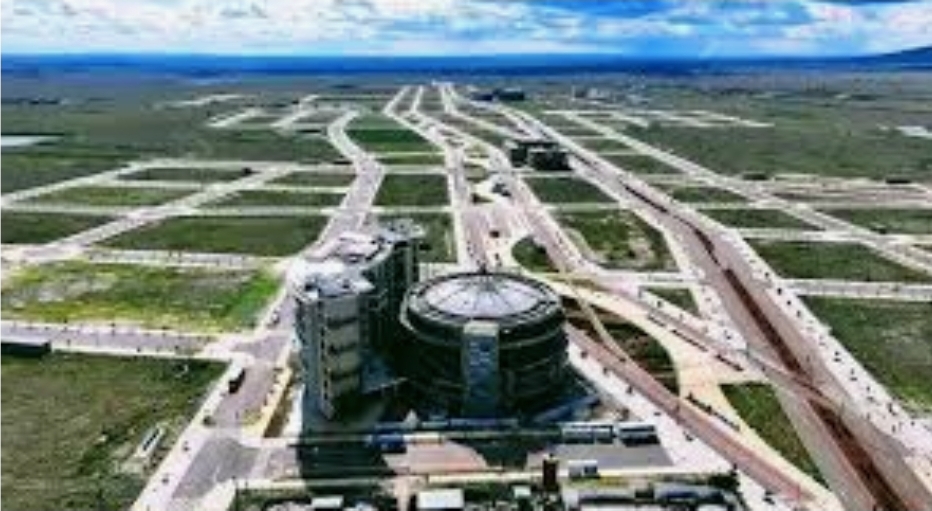
Across Africa, a new urban vision is taking shape. From Konza Technopolis in Kenya to Kigali Innovation City in Rwanda and emerging hubs in Lagos and Cape Town, tech cities have been positioned as symbols of transformation.

They represent ambition, modernity, and the promise of a digitally connected future. Over the course of this series, we have explored that promise, and the realities beneath it.

What emerges is not a simple story of success or failure, but something more complex: a continent at a crossroads, negotiating the terms of its own development.

What We Have Seen: A Pattern Across Cities
Across different countries and contexts, similar patterns have emerged. We have seen how land is acquired, sometimes displacing communities who have lived there for generations. We have seen how rising land values and new developments reshape surrounding areas, making them less affordable for long-term residents.
We have also examined how the jobs created often require skills that many people are still working to access, leaving a gap between opportunity and inclusion. And we have explored the risks, from stalled projects to environmental pressures, that raise questions about long-term sustainability.

These are not isolated issues. They are interconnected. Together, they form a broader picture of how rapid, large-scale development can reshape not only economies, but everyday lives.
The Core Question: Who Is the City For?
At the heart of this story lies a simple but urgent question:
Who is the city being built for?
Is it for the investor seeking returns? The government pursuing economic growth? The young graduate looking for opportunity? Or the communities already living on that land?
In reality, it is, or should be, all of them. But without intentional planning and inclusive policies, the balance can easily shift. Benefits can concentrate among a few, while costs are distributed across many. This is where the conversation must move beyond infrastructure and investment, and into equity.
Reimagining the Future: What Inclusive Development Could Look Like
The story of Africa’s tech cities is still being written. And that means it can still be shaped. Across the continent, there are growing calls for a more inclusive approach; one that places people at the center of development.
This includes:
- Inclusive land policies that protect communities and ensure fair compensation
- Investment in skills and education so more people can participate in the digital economy
- Affordable housing strategies to prevent displacement and exclusion
- More robust environmental planning to manage water, energy, and waste sustainably
- Support for local economies, including informal workers and small businesses
These are not just policy ideas. They are pathways toward a different kind of future, where growth does not come at the cost of dignity.
From Articles to Voices: The Next Chapter
While data and analysis help us understand the scale of these changes, they cannot fully capture their human impact.
Behind every statistic is a story:
- A farmer who lost land
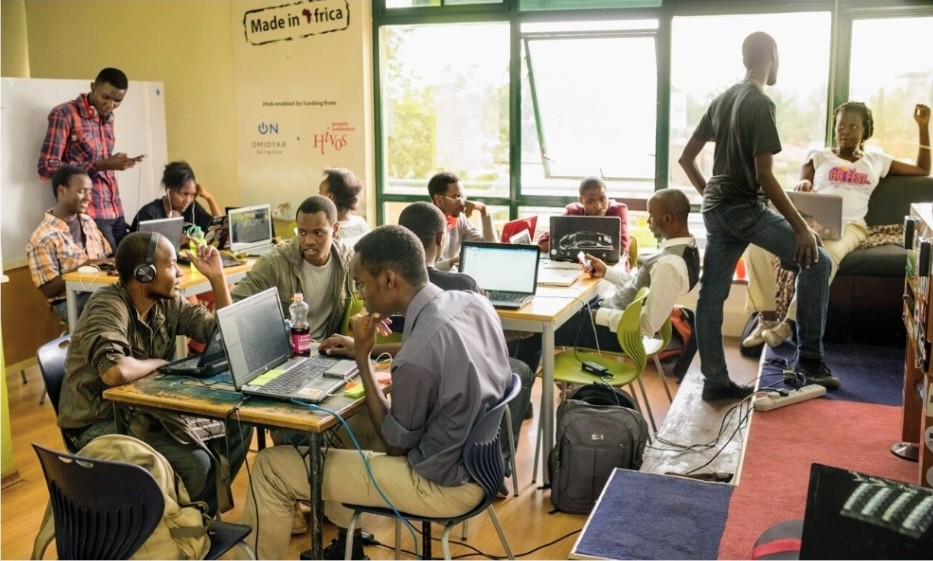
- A graduate searching for opportunity
- A trader navigating rising costs
- A developer building the future
This is where the next phase begins.
As this series moves into a documentary soon, the focus will shift from analysis to lived experience bringing forward the voices of those directly affected, as well as the experts, policymakers, and innovators shaping these cities.
Because the most important insights often come not from reports, but from people.
Conclusion: The Future Is a Choice
Africa’s tech cities are not just physical spaces.
They are decisions –
Decisions about land, about investments, about who is included, and who is not.
They hold immense potential to drive innovation, create jobs, and position Africa within the global digital economy.
But potential alone is not enough. The true measure of success will not be found in skylines or infrastructure, but in whether these cities create opportunity that is shared, sustainable, and just.
As Africa builds its future, the question is no longer whether these cities will rise. It is how they will rise, and for whom.
This is Tech Cities and African Futures.
And this is only the beginning of the story. Thanks for being here! Stay tuned for more insightful pieces.
TECH CITIES AND AFRICAN FUTURES – SERIES
TECH CITIES AND AFRICAN FUTURES: WHO REALLY BENEFITS?