Wayne Lumbasi
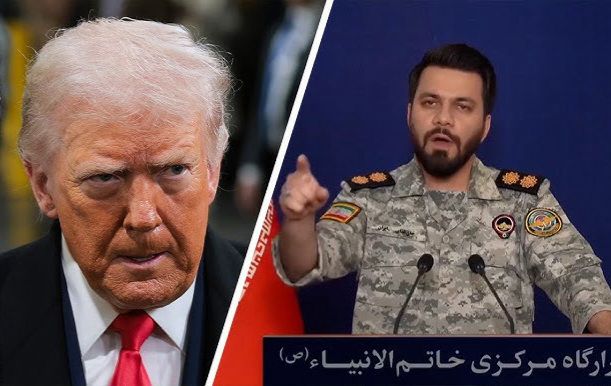
A sharp exchange between Iran and the United States has underscored the fragile state of diplomacy amid an escalating regional conflict, after a senior Iranian military spokesperson dismissed U.S. claims of ongoing negotiations as “self-directed.”
The remarks, delivered by Ebrahim Zolfaghari, were broadcast by state media and widely interpreted as a direct rebuttal to statements from U.S. President Donald Trump, who recently suggested that diplomatic efforts between Washington and Tehran were progressing.

Zolfaghari rejected those assertions outright, stating that no meaningful or direct negotiations were underway and that Washington was effectively “negotiating with itself.” The comment reflects Iran’s position that recent U.S. proposals do not constitute genuine dialogue but rather unilateral demands framed as diplomacy.

At the center of the disagreement is a reported U.S. initiative outlining a broad peace framework aimed at ending hostilities. The proposal is said to include provisions such as a temporary ceasefire, limits on Iran’s nuclear programme, and restrictions on its regional military activities. However, Iranian officials have rejected the plan as one-sided and have not formally engaged with it.

The dispute highlights a widening credibility gap between the two governments. While Washington has portrayed its efforts as part of an active diplomatic push, Tehran maintains that no formal talks are taking place, acknowledging only indirect communications through intermediaries.
The rhetoric comes amid intensifying military confrontation across the Middle East. Recent days have seen an escalation in hostilities involving Iran, the United States, and Israel, including airstrikes, retaliatory attacks, and threats to key energy infrastructure. The situation has raised global concerns over the stability of oil markets and the security of strategic shipping routes, particularly the Strait of Hormuz.

Iranian officials have also framed the current situation as a strategic setback for the United States, arguing that Washington is attempting to present diplomatic progress where none exists. In this context, the “negotiating with itself” remark serves both as a rejection of U.S. claims and a broader signal of Tehran’s unwillingness to engage under military pressure.
The conflicting narratives reflect deeper structural challenges in U.S. -Iran relations, including mutual distrust, competing strategic objectives, and the absence of direct communication channels. While backchannel efforts and mediation attempts continue, the latest exchange suggests that prospects for immediate diplomatic breakthrough remain limited.
RELATED: