Faith Nyasuguta

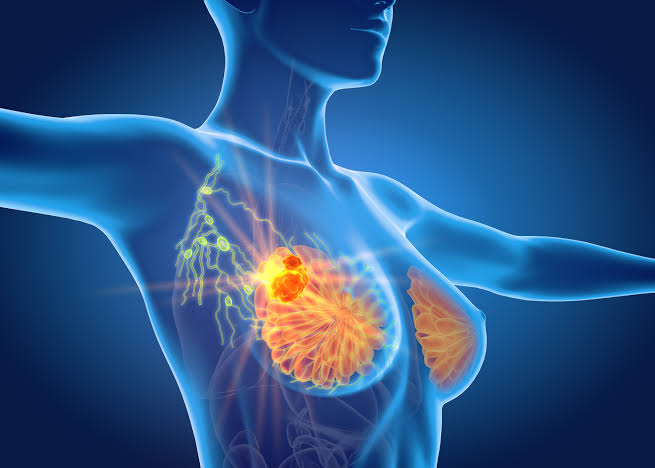
Breast cancer is often discussed as a health crisis. But new research suggests it is also an economic one –costing billions of dollars in lost productivity across Africa.
A recent analysis presented during the 2026 Africa Press Day organized by Roche in Nairobi revealed that an aggressive form of the disease, known as HER2-positive breast cancer, has drained more than $10 billion from seven African economies over the past several years.

The findings, produced by researchers at the WifOR Institute, examined the economic impact of the disease in Algeria, Cote d’Ivoire, Kenya, Morocco, Nigeria, South Africa and Tunisia between 2017 and 2023. Together, these nations represent a significant portion of Africa’s economic output -and the study suggests that the burden of breast cancer reaches far beyond hospital wards.
Nearly 90 percent of the economic losses occurred among women in their most productive working years, highlighting how illness can ripple through households, workplaces and national economies.

For policymakers gathered in Nairobi, the message was clear: investing in women’s health is not simply a humanitarian priority. It is also an economic strategy. The research indicates that every dollar spent on innovative breast cancer treatments could generate up to $12.40 in economic returns, largely by allowing women to remain in the workforce longer and maintain their contributions to family incomes and national productivity.
The theme of the gathering -“Health is Wealth” – captured a growing shift in how African governments and development partners are framing public health investment.

During the event, Kenya’s Principal Secretary for Medical Services, Ouma Oluga, challenged journalists and policymakers to rethink how health stories are told.
“When a health story is being told, what is most important to portray?” he asked. “Is it what is killing people? Is it the solutions that should stop what is killing people? Or is it the administrative, resource and policy actions that link the two?”
The conference brought together journalists from nine African countries alongside economists, public health specialists and development finance experts. Discussions focused on how stronger health systems – especially those focused on women – could help build a more productive workforce and strengthen national economies.
One of the most pressing concerns raised was the diagnosis gap facing African women with breast cancer.
Across the continent, approximately 77 percent of breast cancer cases are diagnosed at late stages, when treatment is far more difficult, costly and less effective. Limited access to screening services, shortages of diagnostic equipment and uneven healthcare infrastructure all contribute to delayed detection.
Closing this gap could dramatically improve survival rates while reducing long-term treatment costs. Advocates say that technology and partnerships are beginning to make a difference.
Dorothy Nyong’o, the chair of the Africa Cancer Foundation, pointed to Kenya’s EMPOWER initiative, a program designed to improve screening and treatment for breast and cervical cancer.
Launched in 2019, the initiative combines physical clinics with digital platforms that help track patients through diagnosis and treatment. Through a network of 76 physical and virtual clinics, the program has already reached more than 235,000 women, enabling over 3,200 patients to receive treatment.
The model has since been adopted by the National Cancer Institute of Kenya as part of a national strategy to improve cancer care. Nyong’o described the program as proof that innovation and collaboration can dramatically improve women’s health outcomes.
“Tackling breast cancer is not just a moral issue,” she said. “It’s a strategic choice.”
Beyond individual programs, experts at the gathering emphasized the need to strengthen Africa’s broader health infrastructure.
Several initiatives were highlighted, including Women’s Integrated Care Services, pilot programs in Kenya and Cote d’Ivoire that bring cancer screening and treatment into primary healthcare systems. Such integration is designed to make services easier to access while reducing costs and improving early detection.
Participants also discussed the importance of building African-led scientific capacity, from genomic research to regional diagnostic laboratories. These efforts are increasingly seen as part of a broader push toward health sovereignty – ensuring that African countries can develop their own solutions to health challenges rather than relying solely on external systems.
For many speakers, the central argument was simple: healthier populations build stronger economies.
As African nations pursue economic diversification and growth, investments in healthcare – especially for women -may prove to be among the most powerful drivers of development.
The new analysis suggests that addressing diseases like breast cancer could unlock billions of dollars in productivity while improving the lives of millions of women across the continent.
In that sense, the battle against breast cancer is not only about saving lives.It is also about protecting the economic future of Africa.
RELATED: