Faith Nyasuguta
Ghana is calling on the United Nations to take a historic step: formally recognise the transatlantic slave trade as the most serious crime ever committed against humanity. The proposal is part of a growing effort by African nations to force a deeper global reckoning with the scale, brutality, and enduring consequences of centuries of slavery.
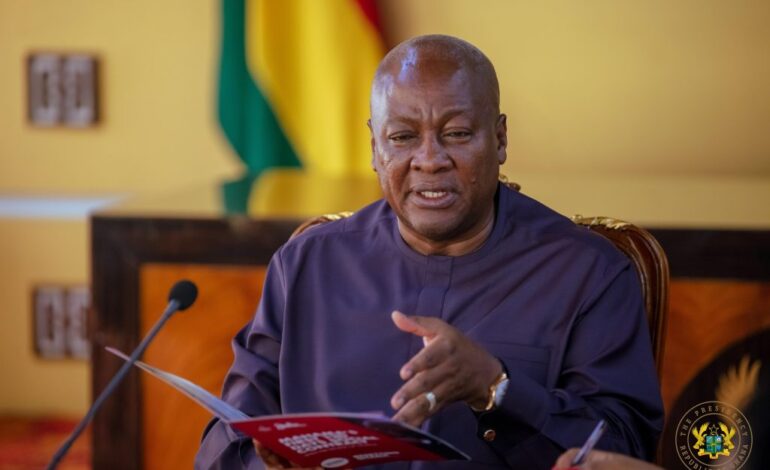
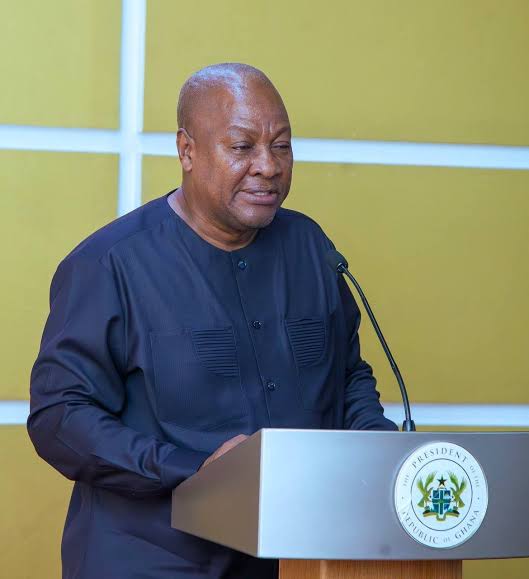
The push is being championed by Ghanaian president John Dramani Mahama, who argues that the international community has never fully confronted the magnitude of the transatlantic slave trade. For Ghana and several other African states, the issue is not simply about acknowledging history – it is about recognising how that history continues to shape global inequalities today.

Between the 15th and 19th centuries, historians estimate that more than 12 million Africans were forcibly transported across the Atlantic. Millions more never even reached slave ships, dying during violent raids, forced marches to coastal forts, or while being held in brutal detention sites along Africa’s western coastline. Those who survived were packed into ships under horrific conditions during the Middle Passage before being sold into plantation economies across the Americas and the Caribbean.

The scale of the system was immense. Entire regions of Africa were destabilised as communities were torn apart and populations drained. At the same time, European empires accumulated enormous wealth from plantation economies powered by enslaved labour. Sugar, cotton, tobacco and other commodities produced through slavery generated vast fortunes that helped fuel the rise of global trade and early industrialisation.
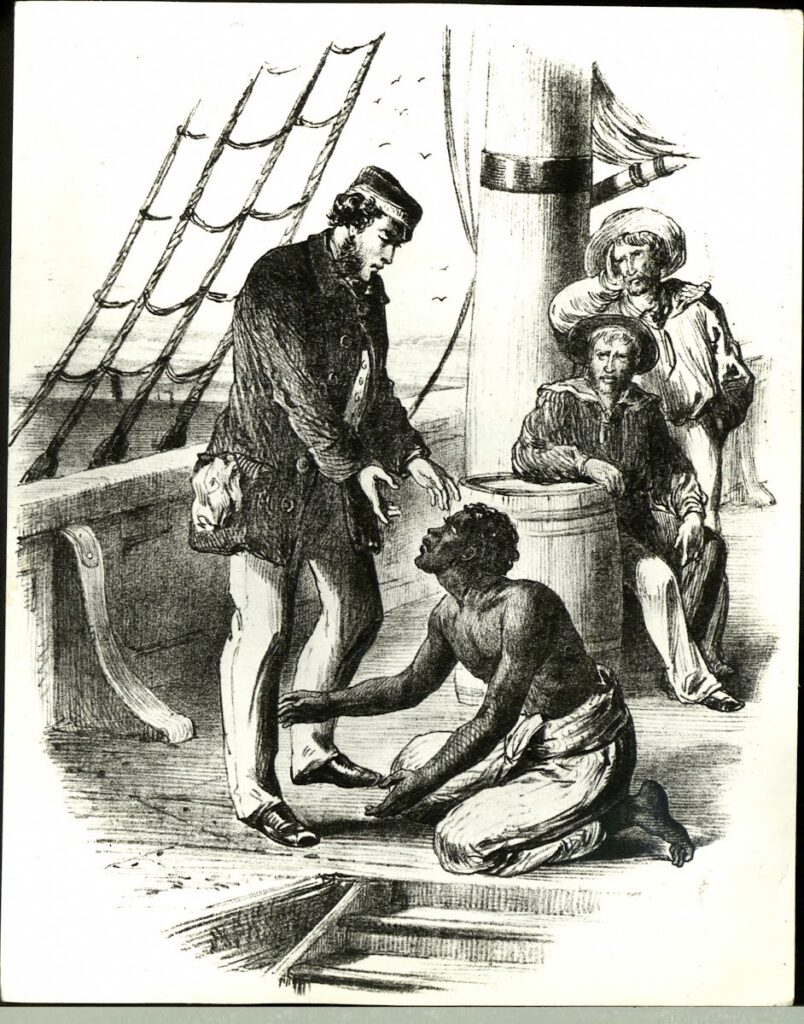
Many historians argue that the profits extracted from enslaved Africans played a crucial role in building the economic foundations of modern Western economies. Ports expanded, banks flourished, and industries grew as wealth flowed from plantation systems in the Americas back to Europe.
For Ghana and its allies, that reality is central to their argument.

They contend that the wealth produced by slavery helped shape the modern global economic order – while African societies that lost millions of people were left dealing with the long-term consequences of depopulation, economic disruption and political instability.
Ghana’s proposal aims to push the United Nations to formally declare the transatlantic slave trade the gravest crime against humanity in recorded history. While the declaration would be largely symbolic, its political weight could be significant.
A formal UN recognition could strengthen ongoing campaigns calling for reparations, historical accountability and policy reforms designed to address the lingering effects of slavery. It would also elevate the issue within international diplomacy, forcing countries to confront the historical structures that shaped today’s global inequalities.
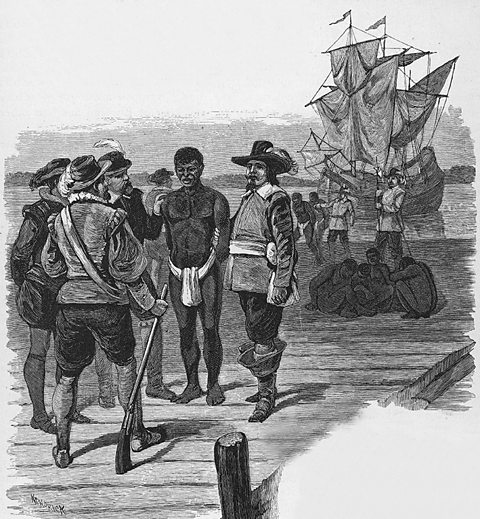
The initiative aligns with broader demands for reparative justice emerging from Africa and the Caribbean. Governments and advocacy groups across these regions argue that the descendants of enslaved Africans deserve compensation or meaningful development support from nations that benefited from the trade.
These proposals range widely – from financial reparations and debt relief to the return of cultural artifacts taken during the colonial era and greater investment in African economies.
Supporters of reparations often point to one historical irony that still resonates today: when slavery was abolished in several European empires during the nineteenth century, governments frequently compensated slave owners for the loss of their “property.” The formerly enslaved themselves received nothing.
For many African leaders, that decision symbolises how the global system historically prioritised the protection of wealth over justice.
Ghana’s campaign is also gaining backing from the African Union, which has increasingly placed reparations and historical recognition at the centre of its diplomatic agenda. Caribbean nations – whose societies were shaped directly by plantation slavery – are also expected to support the effort if it moves through international channels.
Together, African and Caribbean states could form a significant bloc if the proposal reaches the UN General Assembly.
However, the initiative is likely to face resistance. Several Western governments have historically opposed formal reparations discussions, arguing that modern states should not bear financial responsibility for actions carried out centuries ago by previous regimes.
Advocates for the resolution counter that the wealth and institutions created during the era of slavery still exist today, meaning the benefits – and the injustices – were never truly confined to the past.
The timing of Ghana’s push is also symbolic. The proposal is expected to coincide with international commemorations marking the victims of the transatlantic slave trade, amplifying calls for recognition and accountability.
For Ghana, the goal is clear: to push the world’s most powerful international body to formally recognise the scale of a system that reshaped continents, built empires and permanently altered the course of human history.
In doing so, the country hopes to transform centuries of historical pain into a global acknowledgement that the machinery of slavery was not just a tragedy of the past but one of the greatest crimes humanity has ever committed.
RELATED: