Faith Nyasuguta

As violence and geopolitical tension intensify across the Middle East, South Africa has stepped forward with a familiar diplomatic message: if asked, it is ready to help broker peace.
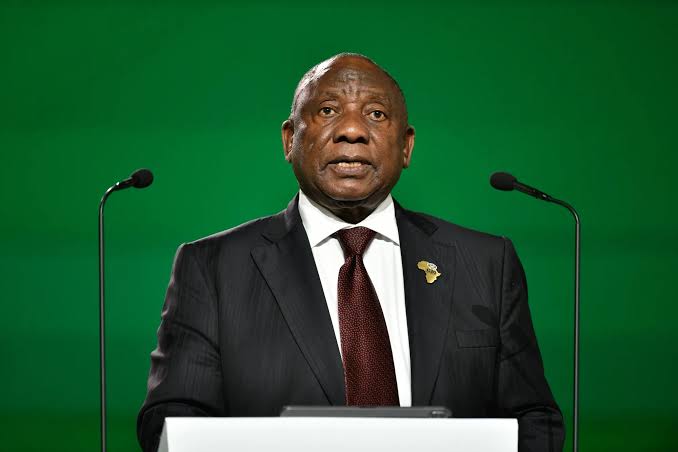
Speaking on the sidelines of an energy conference in Cape Town, South African President Cyril Ramaphosa indicated that Pretoria would be prepared to play a mediating role in the deepening regional crisis. His comments, aired by Newzroom Afrika, underscored the country’s long-standing preference for negotiation over confrontation in international conflicts.

“We are always ready to play a contributing role,” Ramaphosa said, suggesting South Africa could step in either as a mediator or in another diplomatic capacity should the warring parties request assistance.

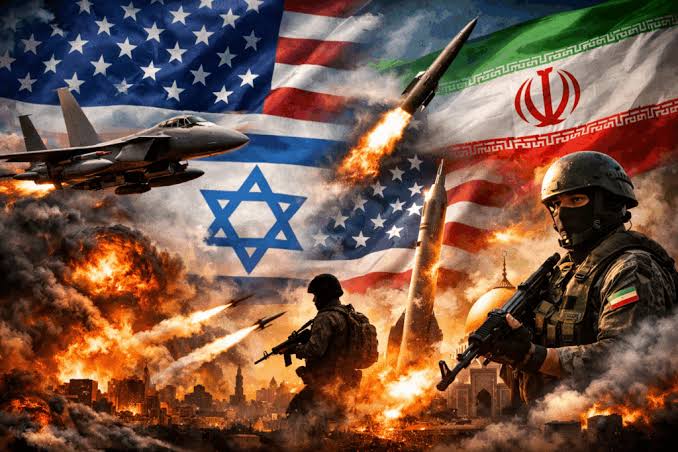
The remarks arrive at a moment when the Middle East is again under global scrutiny, with escalating military operations raising fears of a wider regional confrontation. Governments and international organizations are increasingly warning that without urgent diplomatic intervention, the situation could spiral further, destabilizing not only the region but global political and economic systems.

Against this backdrop, Pretoria’s offer reflects a broader foreign policy tradition rooted in dialogue, multilateralism and negotiated settlements. Since the end of apartheid, South Africa has repeatedly attempted to position itself as a voice for diplomatic engagement in global disputes, drawing on its own experience of negotiating a peaceful transition from minority rule to democracy.
Ramaphosa emphasized that halting the violence must come first. In his view, the immediate priority should be a ceasefire followed by meaningful dialogue between the parties involved.

“If the opportunity opens up, we would certainly engage and say that there must be a ceasefire,” he explained. “Dialogue remains the best route to ending conflict and ultimately bringing war to a close.”
While Pretoria’s mediation offer is conditional on a formal request from the parties involved, the statement nonetheless signals South Africa’s willingness to expand its diplomatic footprint beyond the African continent.
The crisis has also had direct consequences for South Africans caught in the region. Ramaphosa confirmed that the government is actively working to assist citizens who may be stranded in areas affected by the violence. Efforts are underway to ensure their safe return home, highlighting how distant conflicts can quickly become personal emergencies for nationals living or working abroad.
South Africa’s intervention proposal emerges at a time when many nations are searching for credible mediators capable of bridging deep political divides in the Middle East. The region has historically seen outside powers attempt to facilitate peace talks, with varying degrees of success.
By offering to assist if invited, Pretoria appears eager to reaffirm its role as a diplomatic actor advocating de-escalation and negotiation rather than military escalation.
Whether that offer will translate into a concrete role is still uncertain. But the message from Cape Town was unmistakable: South Africa is watching the crisis closely -and stands ready to step into the room if the door to peace talks opens.
RELATED: