Faith Nyasuguta

Rwanda is moving ahead with one of its most ambitious infrastructure projects yet: a new international airport in Bugesera, designed to transform the country into a regional aviation hub and expand air connectivity across East Africa and beyond. The development, backed largely by Qatar Airways through a major investment partnership, has drawn attention for its scale, costs and strategic importance to the Rwandan economy.
At an estimated $2 billion total cost, the Bugesera International Airport project represents a major leap in Rwanda’s plans to modernise its aviation sector and attract more global air traffic. The first phase is expected to be completed around 2028, with facilities capable of handling about 7 million passengers per year once operational. A second phase, planned for around 2032, aims to double that capacity to around 14 million passengers annually, cementing Rwanda’s position as a regional gateway.

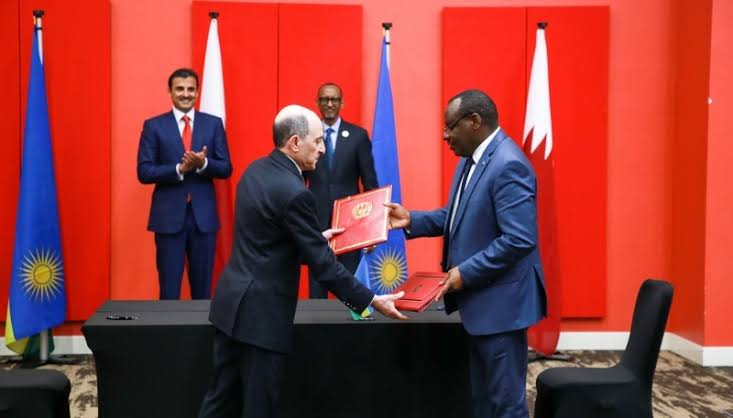
The partnership stems from an agreement signed in 2019 between the Rwandan government and Qatar Airways, under which the Qatari carrier agreed to take a 60 % stake in the airport project. Rwanda retains the remaining 40 % ownership. Qatar’s involvement is not limited to equity; the airline is expected to play a strategic role in funding, development expertise and future operations, aligning with its broader expansion strategy in African aviation.

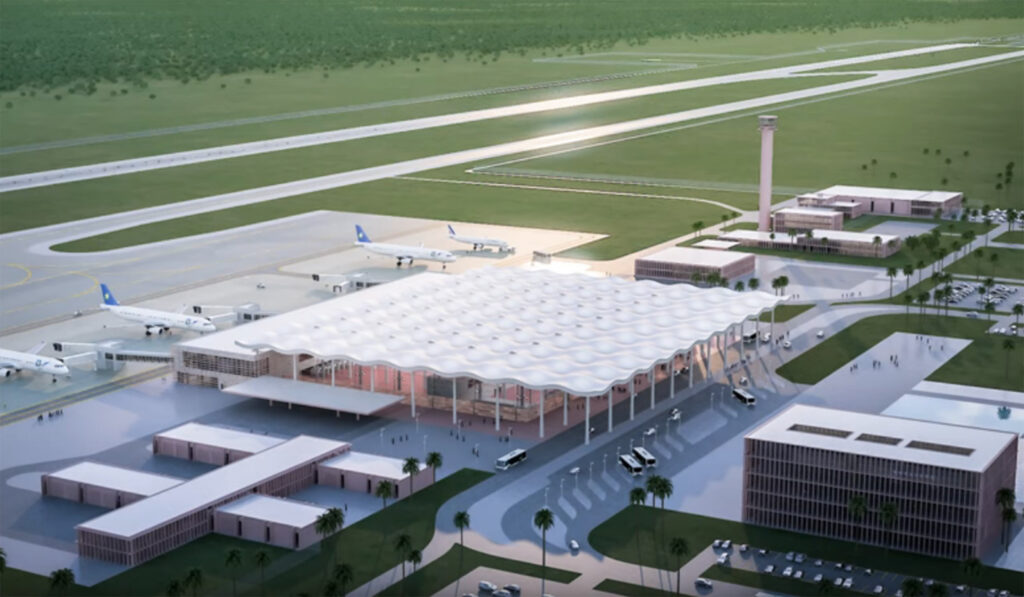
Located about 25 km southeast of Kigali, the Bugesera site was selected to relieve pressure on Kigali International Airport, which is approaching capacity limits amid growing traffic. The new airport will include state-of-the-art passenger terminals, cargo facilities, and infrastructure designed to meet international standards. Officials believe it will not only support tourism growth but also enhance cargo logistics – a crucial factor for trade and economic expansion in the region.

The airport project has also been incorporated into Rwanda’s budget planning, with recent allocations of nearly $500 million aimed at accelerating construction and ensuring the project stays on track for its 2028 target. Additional financing, including a concessional loan of around $200 million from the Asian Infrastructure Investment Bank (AIIB), further supports the first phase of the development.
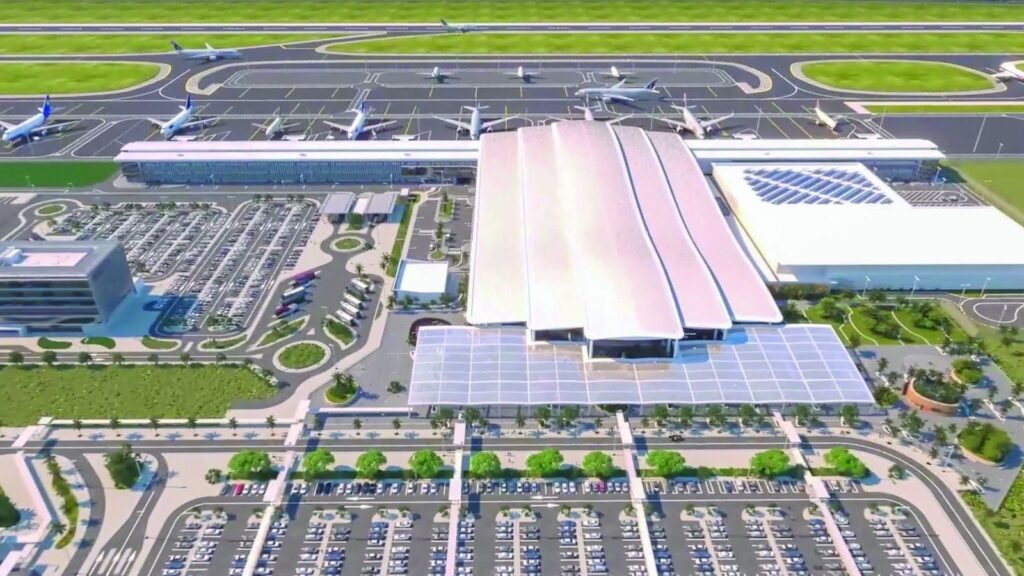
However, the scale of investment has drawn scrutiny from international financial organisations. The International Monetary Fund (IMF) has cautioned that the high cost of the Bugesera airport could increase Rwanda’s public debt burden, potentially pushing debt levels higher as the nation finances its share of the project. Kigali has taken steps to mobilise domestic revenues and implement fiscal measures to manage this risk.

Supporters of the project argue that the long-term economic benefits – including job creation, expanded tourism, stronger trade routes, and greater regional connectivity – justify the investment. With Qatar Airways as a central partner, Rwanda hopes the new airport will attract international carriers and position Kigali as a competitive hub in African aviation networks.
As construction progresses, Bugesera International Airport stands as a symbol of Rwanda’s development ambitions and a key piece of its strategy to deepen ties with global partners while enhancing infrastructure capacity for future growth.
RELATED: