Faith Nyasuguta

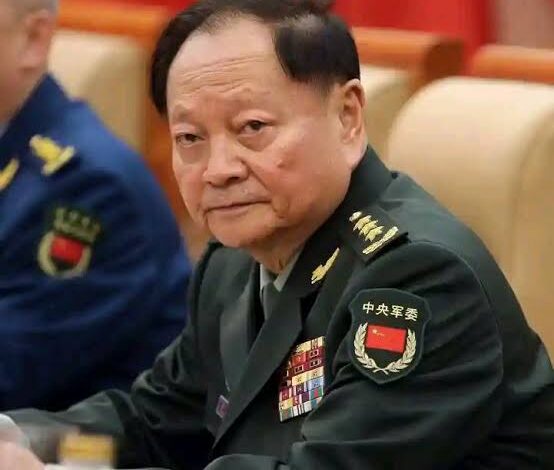
China’s highest-ranking military officer, General Zhang Youxia, is under investigation after being accused of leaking sensitive information about the country’s nuclear weapons programme to the United States, in a development that has sent shockwaves through Beijing’s defence establishment and highlighted President Xi Jinping’s expanding anti-corruption purge. The probe also includes allegations of bribery, factionalism and abuse of power, raising questions about internal stability within the People’s Liberation Army (PLA) and China’s national security apparatus.
Zhang, 75, served as vice-chairman of the Central Military Commission (CMC) – China’s supreme military leadership body – and long stood as one of Xi’s most senior and trusted military allies. His sudden fall from grace represents one of the most dramatic moves against a top general in decades and shows the intensifying scrutiny at the highest levels of the Chinese Communist Party (CCP).

According to an internal briefing reported by The Wall Street Journal, the investigation alleges that Zhang leaked core technical data on China’s nuclear weapons programme to U.S. counterparts, a charge that – if confirmed – would amount to one of the largest intelligence breaches in Chinese history. The same briefing reportedly accused him of forming political cliques and abusing his authority within the party’s top military decision-making structure, as well as taking substantial bribes in exchange for facilitating promotions, including elevating a former defence minister.

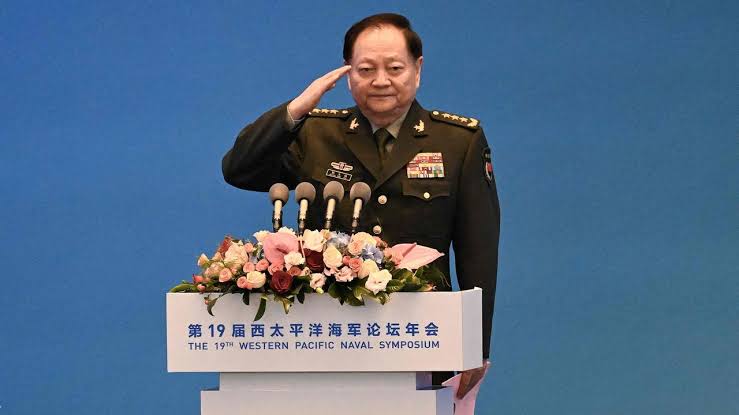
China’s Ministry of National Defence has publicly confirmed that Zhang is being investigated for “serious violations of discipline and law,” but it has not publicly confirmed the specific allegations about nuclear data leaks or espionage. Official statements from the Chinese Embassy in Washington described the investigation as part of a “zero-tolerance approach” to corruption, though details remain tightly controlled and opaque.
The probe into Zhang comes amid President Xi’s broader and long-running anti-corruption campaign, which has now increasingly targeted the PLA’s senior ranks. Analysts note that the party’s ongoing effort to enforce discipline has already ensnared more than 200,000 officials since Xi assumed power in 2012, and purges of top military leaders in recent years have significantly reshaped the force’s leadership landscape.
As a result of Zhang’s investigation – coupled with scrutiny of other senior officers like General Liu Zhenli – the seven-member CMC now reportedly has only a small number of active officers remaining. This dramatic thinning of the military’s top leadership raises questions about command continuity, internal cohesion and the potential impact on China’s strategic priorities, including modernisation efforts and regional security postures.
Internationally, the allegations have drawn particular attention due to their potential implications for global security and U.S.- China relations. If sensitive details of China’s nuclear arsenal were indeed shared with the United States, it could influence diplomatic and military calculations on both sides – although foreign analysts remain cautious, noting the lack of publicly verified evidence at this stage.
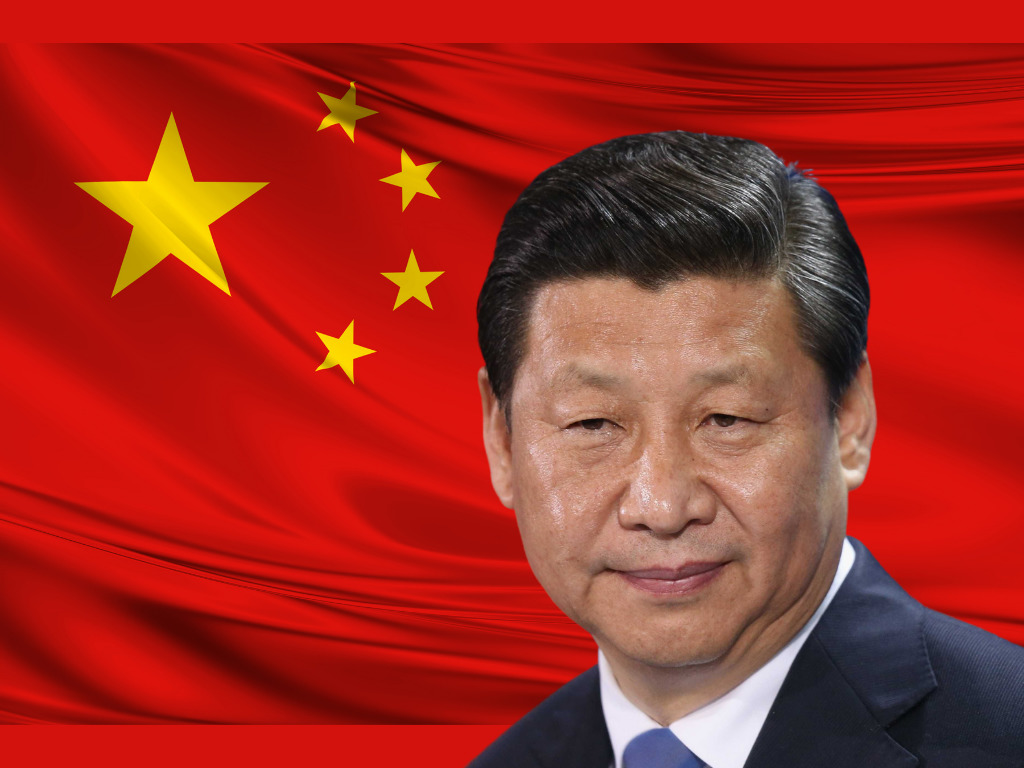
Zhang Youxia’s career spanned decades of service in the PLA, including frontline experience in past border conflicts and leadership roles deep within China’s defence establishment. His sudden investigation – especially on allegations touching nuclear secrecy – marks a stark and unusual turn in Chinese military politics, one that could reverberate far beyond Beijing’s internal power structures and into the broader realm of international security and intelligence concerns.
RELATED: