Wayne Lumbasi

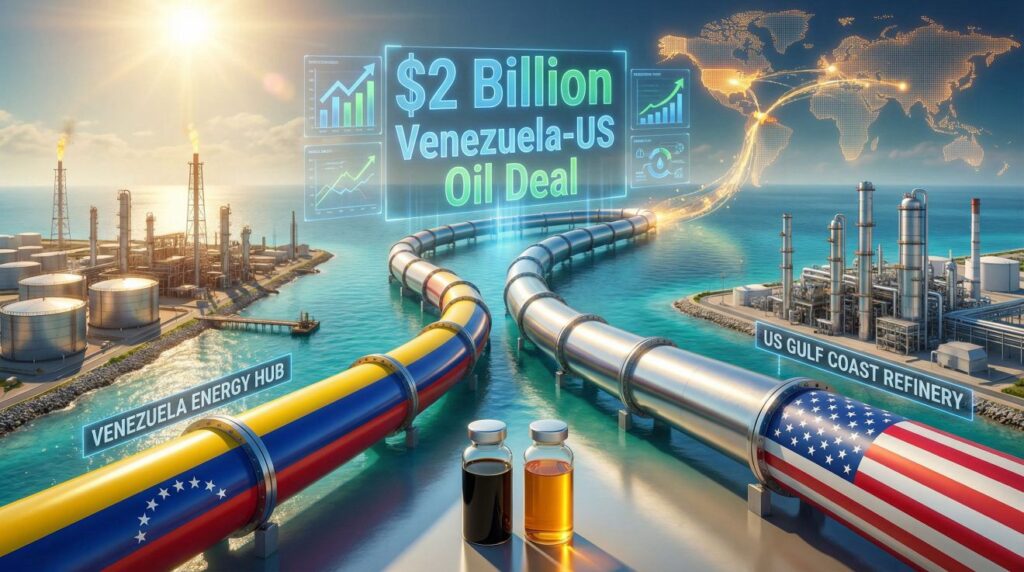
The United States has completed its first sale of Venezuelan crude oil, valued at roughly $500 million, marking a decisive shift in the control, flow, and politics of one of the world’s largest oil reserves. The transaction forms part of a wider $2 billion energy arrangement that places the United States at the center of how Venezuelan oil is marketed, sold, and monetized on global markets.
The oil, previously constrained by sanctions and export restrictions, was sold through an arrangement that allows the United States to manage both the sales process and the resulting revenues. Officials confirmed that the proceeds from the initial transaction are being held in accounts controlled by the United States, rather than transferred directly to Venezuelan state institutions. The funds are reportedly kept in a neutral jurisdiction to shield them from legal claims by creditors and to ensure they remain under tight oversight.

This first sale is only the opening phase. Further shipments are expected in the weeks ahead as the United States moves to steadily reintroduce Venezuelan crude into international supply chains. The approach reflects a broader strategy aimed at stabilizing energy markets while preventing rival powers from regaining influence over Venezuela’s oil sector.

The deal follows a dramatic political shift inside Venezuela, where a sudden change in leadership earlier this month paved the way for renewed cooperation with the United States. Years of economic collapse, infrastructure decay, and underinvestment had already crippled Venezuela’s oil industry, leaving production far below its historical capacity. The new arrangement offers a potential path toward recovery, but under conditions that significantly limit Venezuela’s immediate control over its most valuable resource.

For the United States, the sale serves multiple objectives. It expands access to heavy crude suitable for U.S. refineries, strengthens leverage over a critical energy supplier in the Western Hemisphere, and reduces the space for countries such as China to dominate Venezuelan oil exports. In recent years, China had emerged as Venezuela’s primary buyer, often under opaque financing arrangements that locked future oil output into debt repayment.
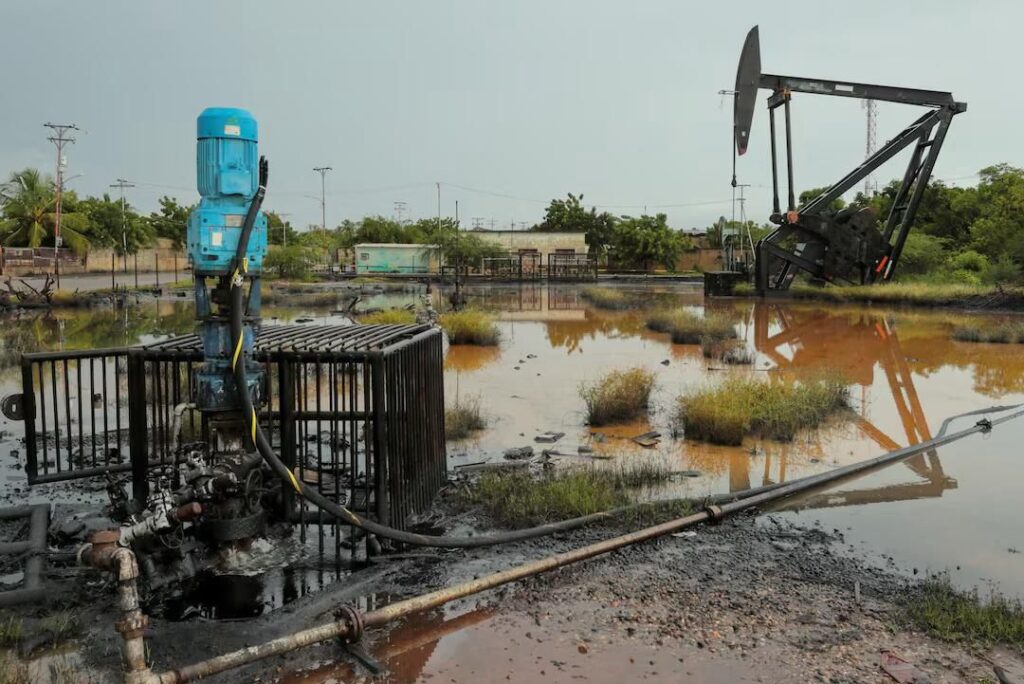
The return of Venezuelan oil to global markets has already influenced pricing sentiment, with traders factoring in the possibility of increased supply later in the year. While current volumes remain modest, sustained sales could ease pressure on tight markets and provide refiners with more options, particularly in the Americas.
Yet the arrangement is not without controversy. placing Venezuelan oil revenues under foreign control risks deepening domestic resentment and raises questions about sovereignty. Without oversight, the funds could be lost to corruption, legal disputes, or mismanagement, repeating patterns that hollowed out the industry over the past decade.
Inside Venezuela, the economic stakes are immense. Oil once generated nearly all export earnings, funded public services, and anchored the national currency. Today, the country faces persistent inflation, fragile infrastructure, and widespread poverty. Whether the new oil sales translate into tangible relief for ordinary citizens will depend on how revenues are eventually deployed and how durable the political transition proves to be.
RELATED: