Wayne Lumbasi
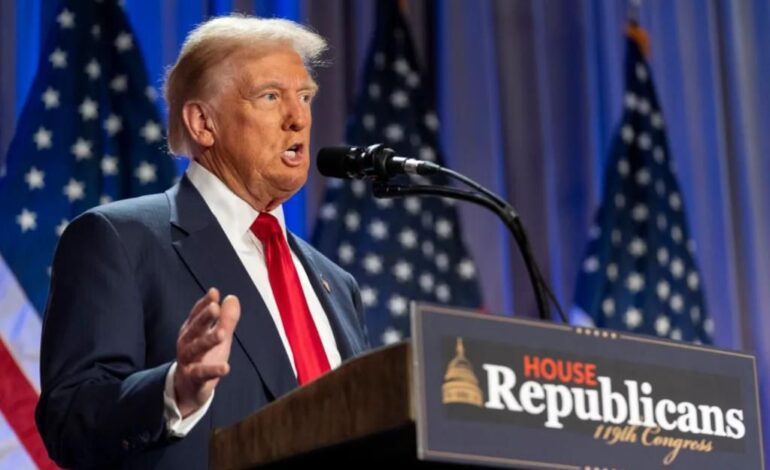
U.S President Donald Trump has announced that countries maintaining commercial ties with Iran will be subject to a 25% tariff on all trade with the United States, a move that could significantly affect global trade relations. The declaration, made on Trump’s Truth Social platform, signals an escalation in economic pressure aimed at isolating Tehran.
Trump said the measure would take effect immediately, describing it as “final and conclusive.” However, no formal executive order or legal framework has yet been released, raising questions about how the policy would be implemented and enforced.

The announcement comes as Iran continues to face widespread anti-government protests, with growing international concern over the handling of unrest inside the country. The tariff threat appears designed to limit Iran’s access to global markets by targeting nations that sustain trade relations with Tehran rather than Iran alone.

If enforced, the policy could have far-reaching consequences. Iran trades with several major economies, led by China, its largest commercial partner and a major buyer of Iranian oil. Other countries with significant economic links include India, Turkey, the United Arab Emirates, Japan, South Korea, and parts of Europe. For these nations, the measure could complicate trade with the U.S. and increase the cost of exports.
Reactions from abroad have been cautious. China criticised the proposal, describing it as a unilateral move and warning it would take steps to safeguard its interests. Other governments said they were assessing the potential impact on their economies and trade relations.
Markets have responded with uncertainty, as the announcement adds fresh tension to global trade and energy dynamics.
RELATED: