Wayne Lumbasi

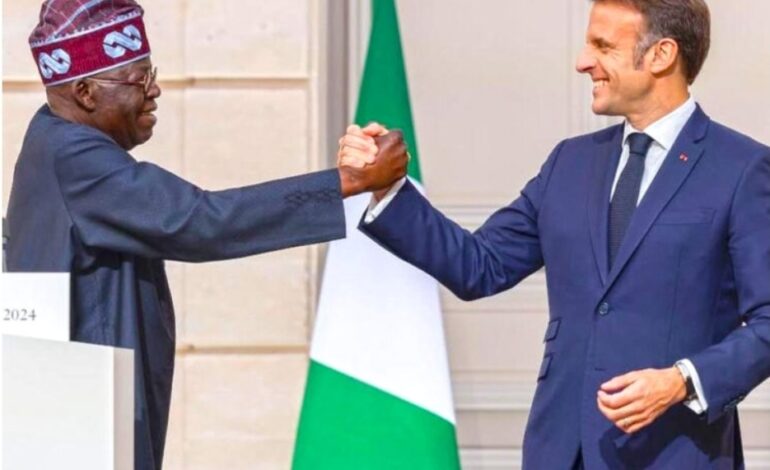
Nigeria has turned to France for help as worsening violence, mass kidnappings, and insurgent attacks continue to spread across the country, French President Emmanuel Macron revealed after a phone conversation with President Bola Tinubu.
The request marks one of Nigeria’s most direct appeals for foreign assistance in recent years, highlighting the severity of the security challenges now gripping the nation.
According to Macron, the French government is prepared to strengthen cooperation with Nigeria and support efforts to protect communities affected by the escalating unrest. While France has scaled back major military deployments across West and Central Africa, Macron emphasized that Paris remains committed to providing strategic assistance when asked. In this case, French support is expected to focus on intelligence sharing, military training, and operational guidance rather than the deployment of combat troops.

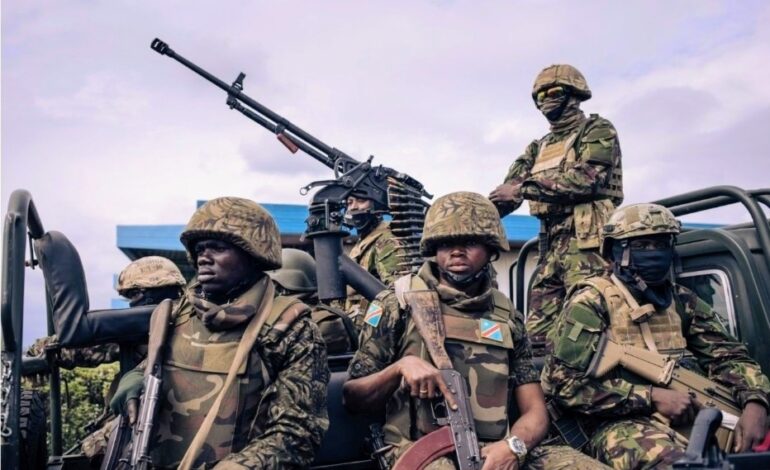
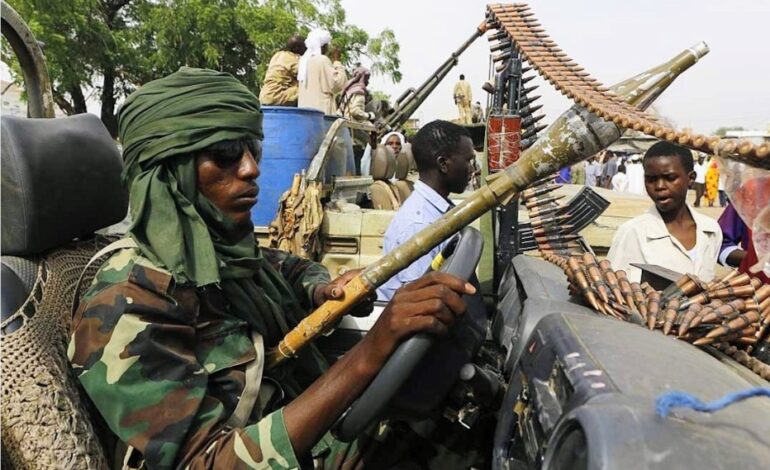
The request comes at a time when insecurity in Nigeria has reached alarming levels. Large portions of the north are battling a complex mix of armed banditry, kidnappings, extremist violence, and deadly communal clashes that have uprooted thousands of families and disrupted daily life. Recent months have seen an intensification of mass abductions, attacks on rural communities, and assaults on transport routes, placing immense pressure on Nigeria’s already overstretched security forces. For many observers, the decision to seek outside help signals how deeply the crisis has penetrated and how urgently additional support is needed.

For France, the renewed cooperation represents a careful re-engagement in a region where its role has shifted dramatically. After reducing its long-standing military footprint in several Sahel countries, France has moved toward a model centered on partnership rather than intervention. Assisting Nigeria fits into this new approach, offering targeted support without committing large numbers of troops or taking on direct combat responsibilities. French officials have also stressed that any collaboration will be fully aligned with Nigeria’s sovereignty and priorities.

The move has drawn mixed reactions. Some Nigerians welcome the willingness to seek international support, arguing that the country’s complex and fast-evolving security threats require broader cooperation and expertise. Others caution that foreign involvement, especially by Western powers, must be handled with transparency to avoid stirring public distrust or raising concerns about external influence.
In the coming weeks, both countries are expected to outline the specific areas of cooperation, including how intelligence will be shared, what forms of military training France will provide, and which regions will benefit first from enhanced support.

The effectiveness of this partnership will depend largely on implementation, coordination, and how well the assistance aligns with local realities on the ground. For now, the appeal to France marks a significant development in Nigeria’s ongoing struggle to restore stability and a recognition that the security crisis has reached a level that demands broader international engagement.
SECURITY CHALLENGES IN NIGERIA
NIGERIA SECURES RELEASE OF 100 KIDNAPPED STUDENTS, SEARCH CONTINUES FOR OTHERS STILL MISSING
RUSSIA PLEDGES READINESS TO AID NIGERIA IN COMBATING TERRORISM
GUNMEN KILL VICE PRINCIPAL, ABDUCT FEMALE STUDENTS IN ATTACK ON NIGERIAN SCHOOL