Wayne Lumbasi

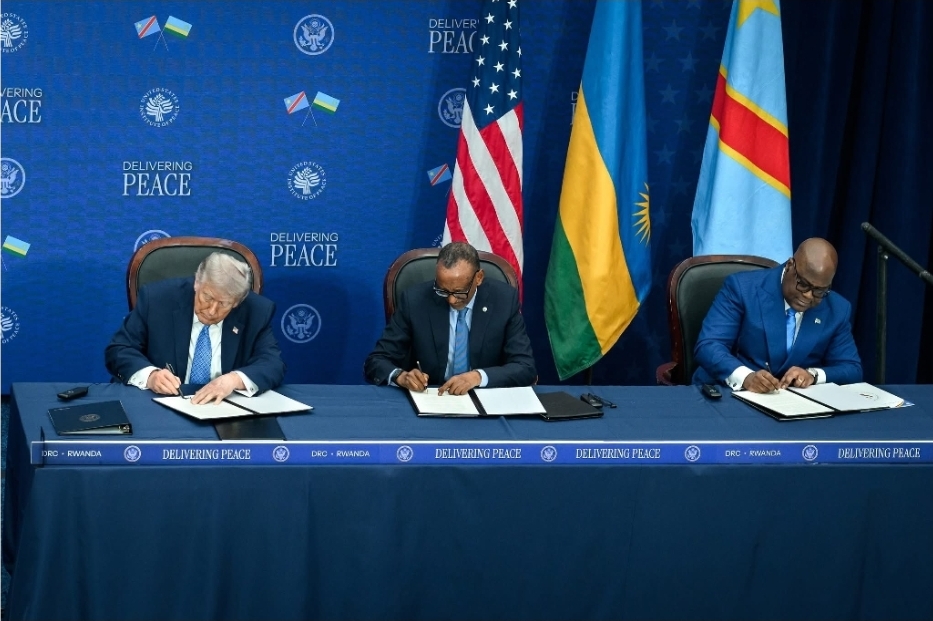
M23 rebels are tightening their control over large parts of eastern Congo even as diplomatic efforts led by the United States try to project a path toward peace. While the recent agreement between DR Congo and Rwanda was presented as a major step toward ending the long-running conflict, developments on the ground show that M23 has continued to expand its reach and is now governing territory with growing confidence.
Instead of slowing down, the group has used the lull created by the peace deal to strengthen its administrative systems, secure mineral-rich zones, and assert itself as an authority parallel to the Congolese state.

In towns and villages under its influence, M23 has established a structured leadership that operates like a local government. Rebel commanders have appointed their own administrators, revived local revenue systems, imposed taxes on traders, and taken over border posts and mining zones.

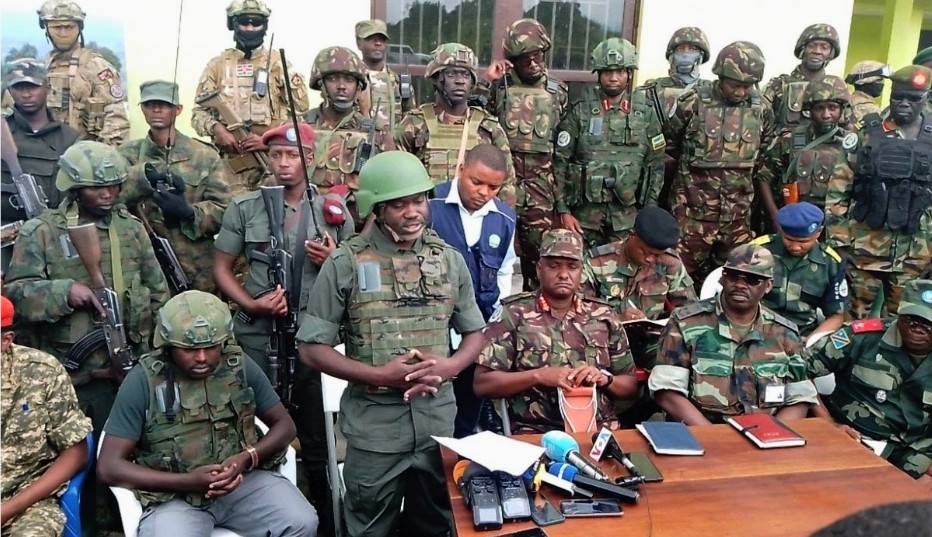
These actions have given the group a steady flow of income and a level of organization that goes far beyond a typical armed movement. Checkpoints, controlled markets, local courts, and their own policing units now form part of a system designed to pull communities into their orbit and weaken Kinshasa’s presence in the region.

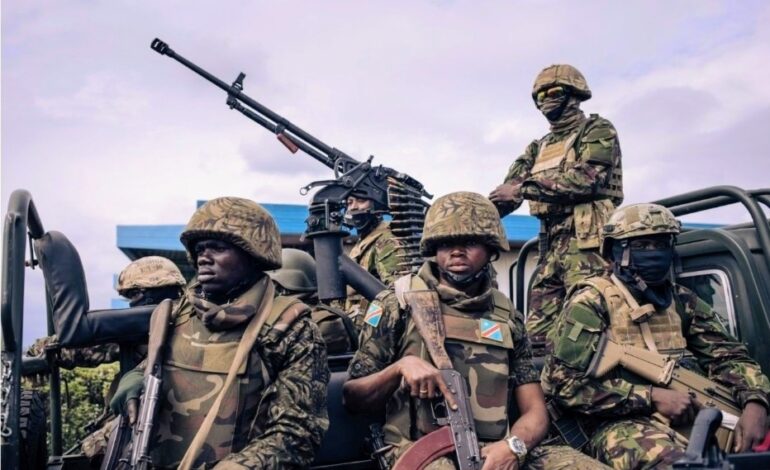
The military balance has also shifted. M23 forces have grown significantly, allowing them to capture strategic hilltops, secure major roads, and encircle several key towns. Their fighters are better equipped and organized than many of the units deployed by the Congolese army. As a result, they have been able to expand into new areas while avoiding sustained losses.
The rebels have also reinforced their position in critical mining zones that supply valuable minerals to global markets. Control of these areas gives them both financial leverage and an influence far beyond local boundaries.

Meanwhile, the peace agreement has had limited impact because it involves only the governments of DR Congo and Rwanda, while M23 itself is not a direct party to the deal. With no binding commitments on the group, its leadership has continued military and administrative operations without adjusting course. This disconnect has produced a political gap: diplomatic announcements emphasize stability while civilians in eastern Congo witness the opposite. In many places, people now interact more frequently with M23 authorities than with officials from the national government.
For communities caught in the middle, the situation is complex. Some residents report that rebel rule has reduced certain forms of chaos by enforcing order on roads and markets. Others fear the growing authoritarian control, forced taxation, and the uncertainty that comes with an armed movement acting as the de facto government. Humanitarian agencies warn that displacement is rising again, with families fleeing newly contested zones or areas where clashes flare unexpectedly.
As the rebels dig deeper into the region, eastern Congo is drifting toward a prolonged period in which the state and an increasingly entrenched armed movement operate side by side. The peace deal, while symbolically important, has not changed the reality that M23 now governs broad territories, draws revenue from them, and has no clear incentive to withdraw. Without a political framework that directly addresses the group and its demands, the conflict risks becoming more complicated, making any long-term settlement even harder to achieve.
RELATED NEWS
DRC AND RWANDA SIGN PEACE DEAL, OPENING THE DOOR FOR U.S. ACCESS TO CRITICAL MINERALS
DRC AND M23 AGREE TO ESTABLISH INTERNATIONAL BODY TO OVERSEE CEASEFIRE
RWANDA BLAMES DRC FOR DELAY IN WASHINGTON PEACE AGREEMENT