Wayne Lumbasi
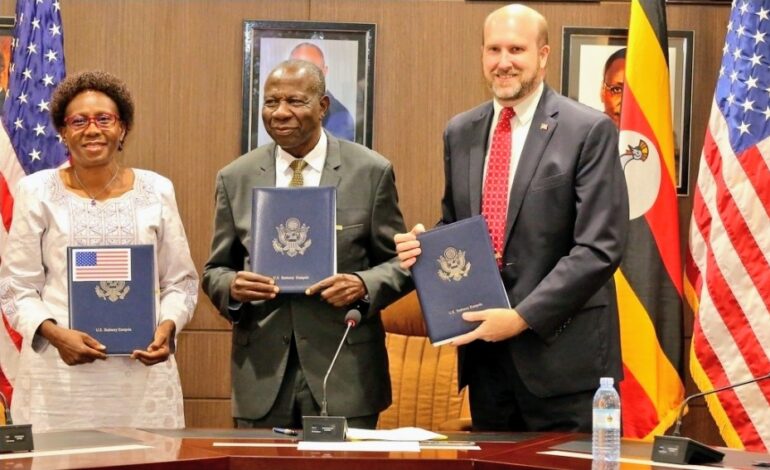
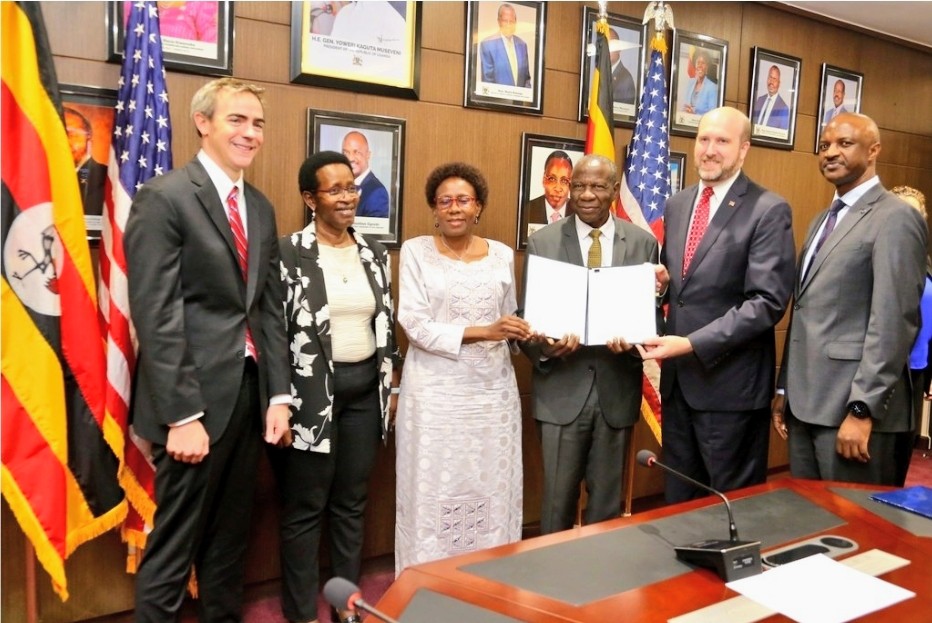
In a move poised to transform the country’s health sector, Uganda has signed a five‑year health cooperation agreement with the United States, securing up to $1.7 billion in funding. The agreement, signed on December 10, 2025, comes alongside a commitment from the Ugandan government to inject over $500 million of its own resources into the health system over the same period, signaling a decisive push toward sustainable, locally driven health care.
The deal falls under the U.S. “America First Global Health Strategy,” which emphasizes multi‑year bilateral agreements that combine external support with domestic investment. Unlike traditional aid models that relied heavily on donor‑managed programs, this approach encourages national ownership and long-term resilience, with Uganda set to play a central role in implementing and managing the funded initiatives.

The funding targets a broad spectrum of priorities. Infectious diseases, including HIV/AIDS, tuberculosis, and malaria, will remain key areas of focus. Equally important is maternal and child health, immunization campaigns including polio eradication and strengthening the overall health system. This includes hiring and training health workers, improving disease surveillance and emergency preparedness, modernizing supply chains, and supporting both public and faith-based health facilities.

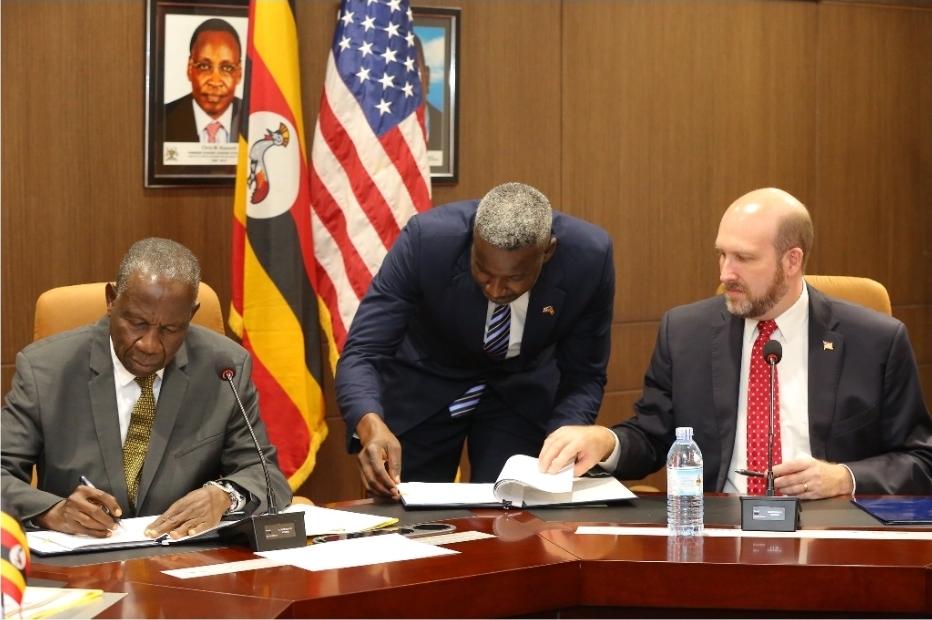
Officials from both governments emphasized the broader vision of the partnership. The U.S. Ambassador to Uganda described it as a “long-term commitment to co-invest in shared global health priorities,” aimed at building a resilient health system capable not only of treating disease but also of preventing future outbreaks. Uganda’s Finance Ministry highlighted that the agreement goes beyond individual programs, aiming to fortify institutions, expand workforce capacity, and improve infrastructure and data management across the health sector.
The timing of the agreement is critical. Earlier in 2025, disruptions to traditional foreign aid threatened to destabilize essential services, leaving health programs vulnerable. The new funding, combined with Uganda’s domestic investment, seeks to prevent interruptions in critical care and ensure continuity in lifesaving interventions across the country.
The benefits of the deal are clear: essential services can continue uninterrupted, health system capacity can be strengthened, and Uganda can move toward self-reliance in health financing. Investments in workforce, supply chains, data systems, and infrastructure are expected to improve service quality, expand coverage, and enhance the country’s ability to respond to epidemics and other public health threats.
However, the agreement also carries significant challenges. Effective management, transparency, and accountability will be crucial to ensure the funds translate into real impact. The government must quickly scale up its capacity to absorb the influx of resources, strengthen administration, and reach underserved communities, particularly in rural areas. Maintaining equitable access and sustaining gains beyond the five-year window will test the country’s political will and institutional strength.
For Uganda, the partnership represents an unprecedented opportunity to secure its health future. For the United States, it signals a shift in foreign aid policy toward fostering long-term national ownership and system-level resilience.
If implemented successfully, the deal could become a model for health cooperation across Africa, demonstrating how sustained investment, paired with local leadership, can achieve meaningful, lasting improvements in public health.
HEALTH RELATED NEWS
AFRICA’S MEDICAL SYSTEM FACES COLLAPSE IN COMING YEARS, WARNS HEALTH LEADER
NIGERIAN LAWMAKERS APPROVE $200 MILLION TO OFFSET U.S. HEALTH AID CUTS