Faith Nyasuguta

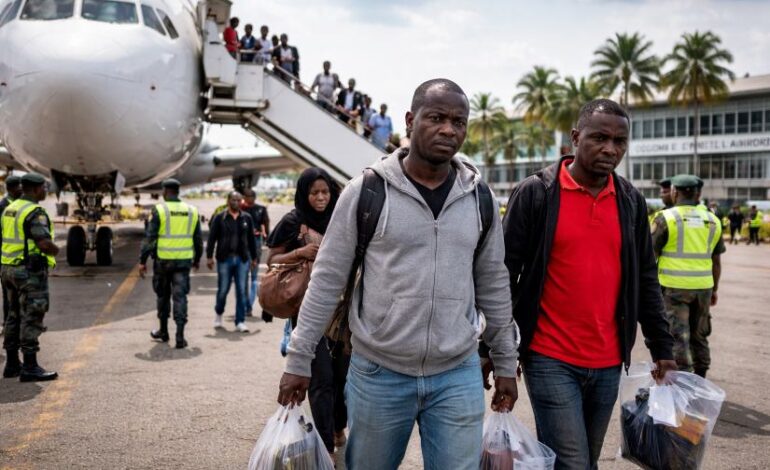
Uganda has received its first deportation flight from the United States under a new third-country agreement, marking a significant development in Washington’s evolving migration strategy. The flight, which landed recently in Kampala, carried 12 individuals, according to the Uganda Law Society, though authorities have not disclosed their nationalities or specific circumstances.
The arrangement forms part of a broader policy under U.S. President Donald Trump’s administration, which seeks to deport migrants to countries with which they have no direct ties. Under the agreement signed in August, Uganda will temporarily host such individuals as part of what officials describe as a “transition phase,” during which options for onward relocation to other countries will be explored.

A senior Ugandan government official indicated that the deportees are not expected to remain permanently, but rather to be processed for potential transfer elsewhere. However, the lack of transparency around the process has raised concerns among legal and human rights groups.

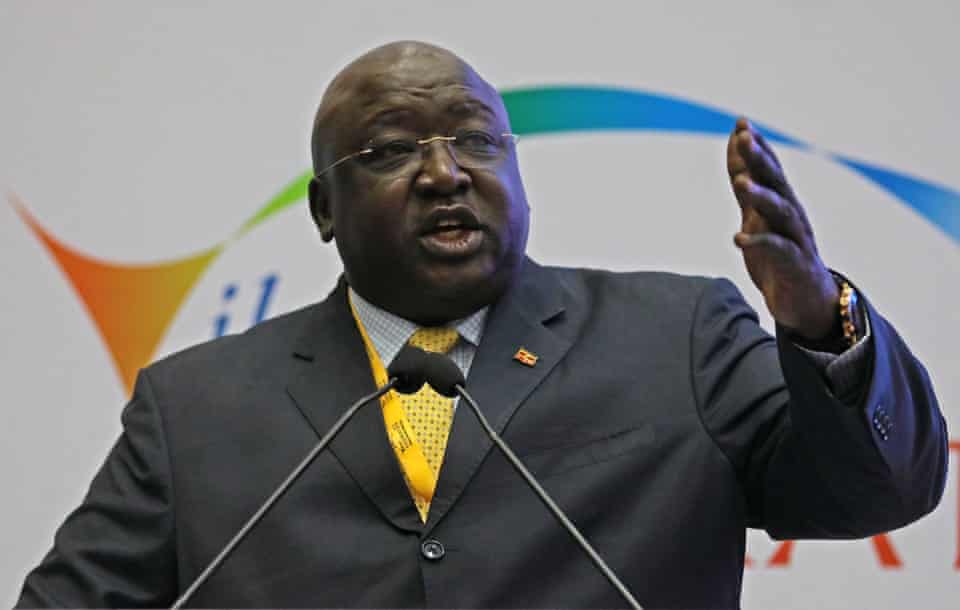
The Uganda Law Society has strongly criticised the development, describing the deportation process as “undignified” and “dehumanising.” The body confirmed it is preparing legal challenges in both domestic and regional courts, arguing that the arrangement raises serious questions about the rights and treatment of those being relocated. Critics have also questioned whether Uganda’s legal and institutional frameworks are adequately equipped to manage such cases.

The U.S. government has defended the programme, stating that all deportations are conducted in full cooperation with Ugandan authorities. Yasmeen Hibrawi, a public affairs counsellor at the U.S. Embassy in Kampala, said the process is based on bilateral understanding, though she declined to provide further details, citing the confidentiality of diplomatic engagements and the privacy of the individuals involved.
Uganda previously outlined conditions for the agreement, stating it would not accept individuals with criminal records or unaccompanied minors. However, it has not publicly clarified whether it is receiving financial compensation as part of the arrangement. The country already hosts nearly two million refugees and asylum seekers, primarily from neighbouring countries such as the Democratic Republic of the Congo, Ethiopia, Eritrea, and Sudan, placing additional strain on its resources.

Uganda is not alone in participating in such agreements. Other African nations, including Eswatini, Ghana, Rwanda, and South Sudan, have either accepted or signalled willingness to accept deportees from the United States. In some cases, individuals from countries as distant as Cuba, Jamaica, Vietnam, and Myanmar have been relocated under similar arrangements.
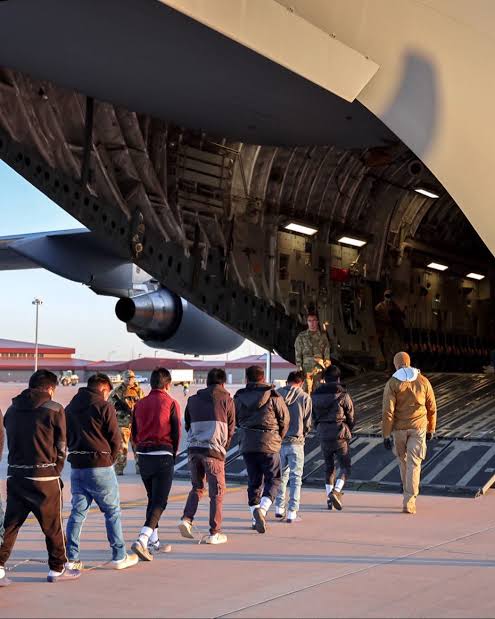
Reports indicate that hundreds of asylum seekers in the U.S. have been issued deportation orders linked to Uganda, suggesting that more flights could follow. Ugandan officials have previously indicated a preference for larger, less frequent deportation flights, citing cost and logistical considerations.
The policy comes amid broader debates over migration management, as the United States continues to grapple with high numbers of detainees in its immigration system. Data shows that tens of thousands of individuals remain in detention, including vulnerable groups such as families with young children.
As Uganda begins implementing the agreement, the move is likely to intensify scrutiny over international migration practices, burden-sharing, and the ethical implications of relocating migrants to third countries.
RELATED: