Faith Nyasuguta

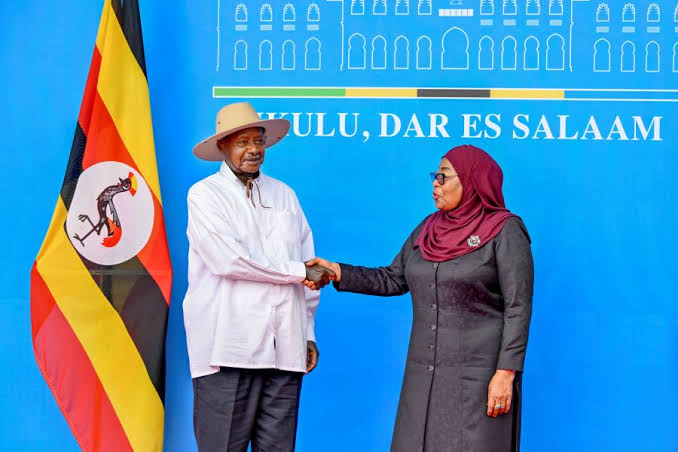
Uganda is exploring plans to connect a proposed railway line to a network currently under construction in Tanzania, a move that could create a new trade corridor to the Indian Ocean and significantly reshape regional logistics in East Africa.
For years, Uganda has relied heavily on access to the port of Mombasa in Kenya for the export of goods and imports of essential supplies. While this route has long served as the country’s primary gateway to global markets, officials in Kampala are increasingly looking for ways to diversify transport options and reduce dependence on a single corridor. The proposed railway connection to Tanzania would instead provide access to the port of Dar es Salaam, offering an additional outlet for Ugandan exports.

Government planning documents indicate that the railway would run from the Tanzanian border through southern and southwestern Uganda before extending to Mpondwe, a key crossing point on the frontier with the Democratic Republic of the Congo. By reaching this strategic border location, the line could serve not only Uganda but also parts of eastern Congo, linking mineral-rich regions to an international shipping route.

Officials say the project is intended to support the movement of commodities such as gold, copper, and iron ore while also lowering transport costs and travel times for traders. If realised, the railway could strengthen trade ties between Uganda and Tanzania while helping unlock the economic potential of areas that have historically struggled with limited infrastructure.

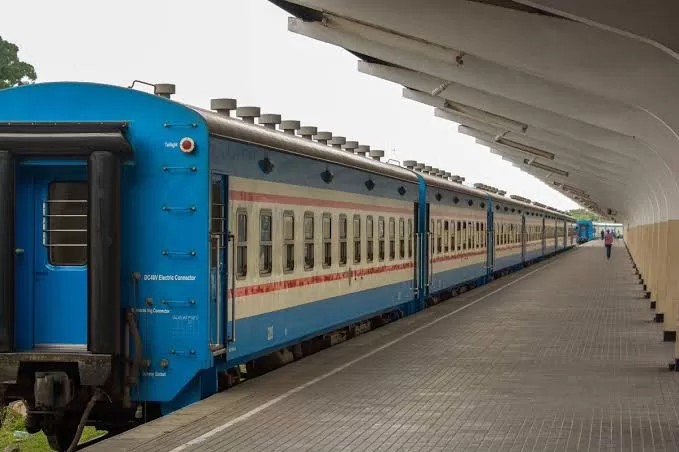
The concept also represents a shift in Uganda’s broader railway strategy. Kampala has previously focused on linking its Standard Gauge Railway to lines being developed in Kenya, a project that would maintain the country’s long-standing reliance on Mombasa. The new proposal signals that the government is now considering parallel connections that would provide greater flexibility and resilience within the regional transport network.
Diversifying export routes has become increasingly important for landlocked economies like Uganda. Heavy reliance on one port exposes a country to potential bottlenecks, political tensions, and logistical disruptions that can slow trade and increase costs for businesses. By opening a corridor toward Dar es Salaam, Uganda would reduce these risks while strengthening economic integration across East Africa.

Financing for the railway has not yet been secured, but discussions are underway with the African Development Bank. The institution is currently reviewing a request to support preparatory work for the project, including feasibility studies and planning assessments. Bank officials say a final decision on funding would depend on whether the project proves economically viable and financially sustainable.
There are also indications that the Democratic Republic of the Congo could eventually connect to the line. Such a development would extend the railway’s influence beyond Uganda and Tanzania, potentially transforming it into a regional transport backbone serving several countries.
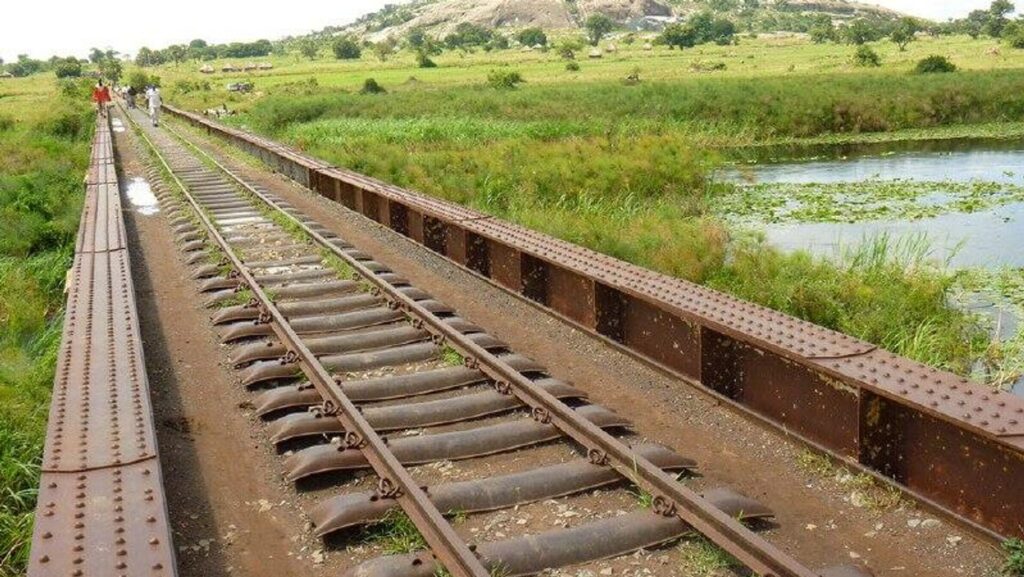
If the project proceeds, analysts say it could alter trade patterns across East Africa. A functioning rail corridor linking inland mineral zones to Dar es Salaam would provide exporters with faster and more reliable access to international markets. It could also stimulate new investment along the route, encourage cross-border commerce, and improve economic cooperation between neighbouring states.
While the plan remains at the proposal stage, it reflects a broader push across the region to modernise infrastructure and strengthen connectivity. For Uganda, the railway could mark a strategic step toward greater control over its trade routes and long-term economic resilience.
RELATED: