Wayne Lumbasi

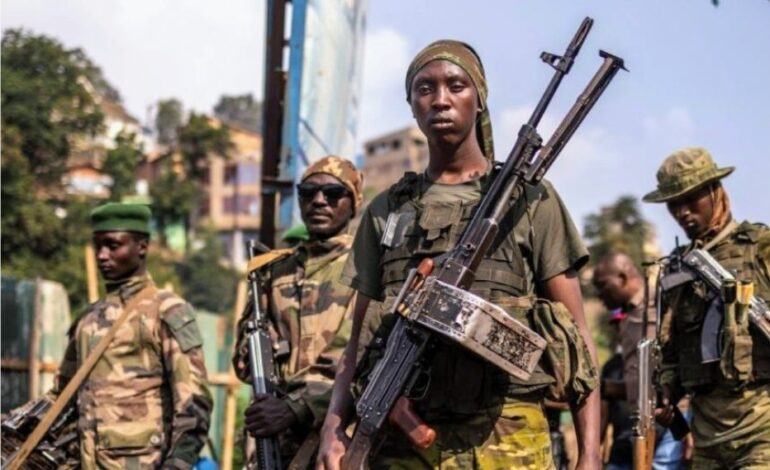
The United States has announced a sweeping expansion of its travel restrictions, affecting a growing number of African countries, including Nigeria, Tanzania, and states within the Alliance of Sahel States (AES).
The move reflects a tougher approach to immigration and border security, with wide-ranging effects on travel, education, business, and diplomatic relations across the continent.

AES member states such as Mali, Burkina Faso, and Niger face the strictest measures, with near-total entry bans covering both immigrant and non-immigrant travel. South Sudan has also been added to the list of countries facing the harshest restrictions.

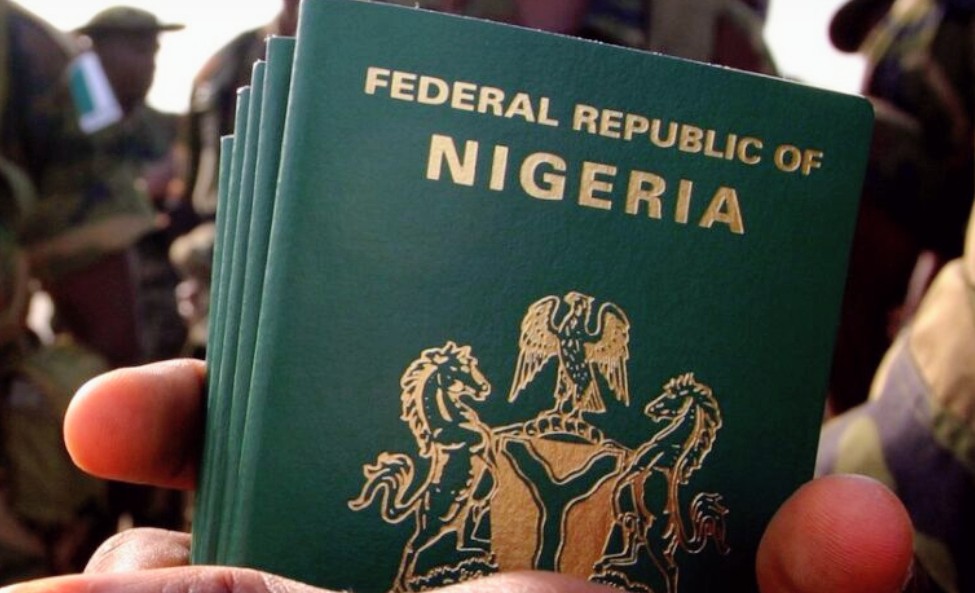
Nigeria, Africa’s most populous nation, is under partial restrictions rather than a full ban. Visa issuance has been tightened, validity periods reduced for certain categories, and screening procedures intensified. Travelers for tourism, study, or business may face longer wait times and more stringent checks.

Tanzania has also been included under partial restrictions. Tanzanian nationals will encounter stricter visa conditions, limits on some visitor, student, and exchange visas, and enhanced vetting during application and entry. While travel is not completely prohibited, the changes may complicate plans for those seeking to work, study, or conduct business in the United States.
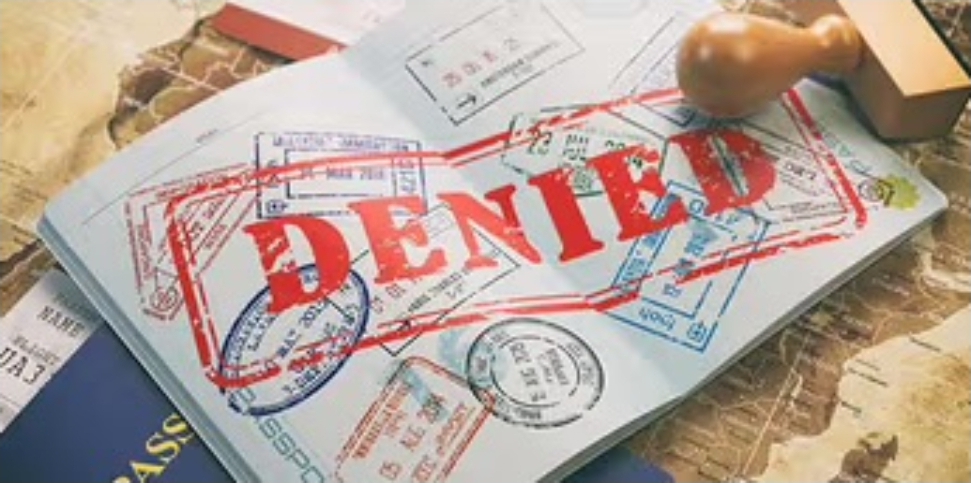
The full list of countries now under U.S. travel restrictions is extensive. Those facing full bans include Afghanistan, Burkina Faso, Mali, Niger, South Sudan, Syria, Burma (Myanmar), Chad, Republic of the Congo, Equatorial Guinea, Eritrea, Haiti, Iran, Libya, Somalia, Sudan, Yemen, and Palestinian Authority passport holders.

Countries with partial restrictions include Angola, Antigua and Barbuda, Benin, Côte d’Ivoire, Dominica, Gabon, The Gambia, Malawi, Mauritania, Nigeria, Senegal, Tanzania, Tonga, Zambia, Zimbabwe, Burundi, Cuba, Togo, Turkmenistan, and Venezuela.
The U.S. government cites national security as the primary reason for the expansion, pointing to issues such as identity verification challenges, gaps in information sharing, visa overstays, and difficulties in returning nationals ordered to leave. In some cases, instability and security concerns within affected countries were also noted.
Across Africa, governments are assessing the implications of these restrictions. Travel limitations of this scale can disrupt trade, reduce educational opportunities, and affect long-standing diplomatic ties. For Nigeria and Tanzania, which maintain strong commercial and cultural links with the United States, the impact is expected to be significant.
The new measures take effect at the start of the new year and will be reviewed periodically. U.S. officials have indicated that restrictions could be eased if affected countries address the concerns raised and strengthen cooperation on security and migration management. Until then, the policy underscores a firmer U.S. stance on travel and immigration, placing several African nations squarely in its scope.
US IMMIGRATION REPORTS
U.S. REOPENS STUDENT VISAS – BUT DEMANDS ACCESS TO SOCIAL MEDIA ACCOUNTS
NIGERIAN VISA HOLDERS STRANDED AS U.S. QUIETLY REVOKES ENTRY PERMITS