Wayne Lumbasi

President Bola Tinubu has taken swift action to fill leadership gaps in Nigeria’s oil sector following the resignation of the heads of the country’s two most influential petroleum regulatory agencies, in the wake of a high-profile dispute involving billionaire industrialist Aliko Dangote.
On Wednesday, December 17, both Farouk Ahmed, CEO of the Nigerian Midstream and Downstream Petroleum Regulatory Authority (NMDPRA), and Gbenga Komolafe, head of the Nigerian Upstream Petroleum Regulatory Commission (NUPRC), stepped down from their positions, leaving a sudden vacuum at a critical time for the sector.

Ahmed’s resignation came shortly after Dangote publicly accused the regulator of corruption and undermining local refining operations, particularly his massive refinery in Lagos. Dangote claimed that regulatory practices favored cheap imports of refined petroleum products at the expense of domestic refining, while also raising concerns about alleged misconduct involving personal expenditures within the agency.

Komolafe’s departure, though not linked to any direct allegations, came amid mounting tension and scrutiny.

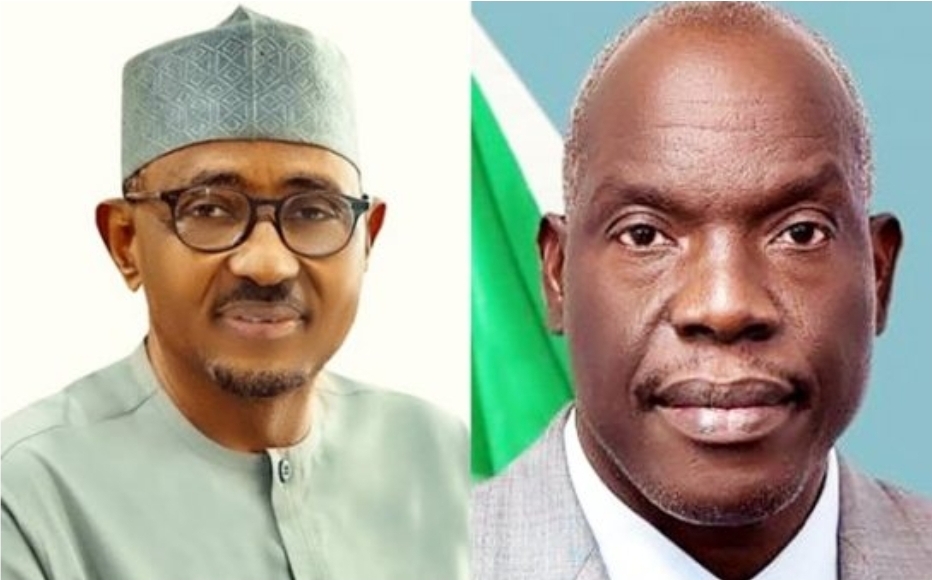
In response, President Tinubu swiftly nominated seasoned industry professionals to lead the agencies, forwarding their names to the Nigerian Senate for confirmation. Oritsemeyiwa Amanorisewo Eyesan, a veteran oil and gas professional with decades of experience at the Nigerian National Petroleum Company and its subsidiaries, was nominated to lead the NUPRC.
Saidu Aliyu Mohammed, an experienced chemical engineer with a long history in Nigeria’s energy sector, was nominated as CEO of the NMDPRA. These appointments aim to restore confidence and ensure continuity in the oversight of Nigeria’s oil and gas industry.

The recent shake-up highlights deeper tensions in Nigeria’s energy landscape. Dangote’s public criticism of regulatory actions and his formal complaints to anti-corruption authorities have placed issues of governance, transparency, and the country’s refining capacity under the spotlight. Despite being one of Africa’s largest crude oil producers, Nigeria continues to import large volumes of refined petroleum products, a long-standing inefficiency Dangote’s refinery was designed to address.
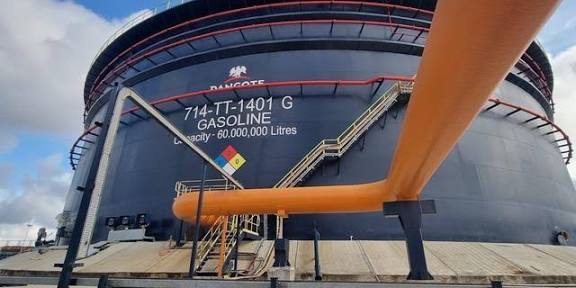
With the Senate set to review the nominations, industry watchers are closely monitoring the process, as leadership at these agencies will play a decisive role in shaping investment policy, import licensing, and compliance with the Petroleum Industry Act. The outcome will not only affect regulatory stability but also influence investor confidence in Nigeria’s energy sector, which remains central to the country’s revenue and economic growth.
NIGERIA’S PETROLEUM SECTOR
DANGOTE DIESEL FACES REJECTION IN EUROPE OVER SULPHUR CONCERNS
DANGOTE REFINERY BREAKS INTO U.S MARKET WITH FIRST GASOLINE SHIPMENT
DANGOTE REFINERY ENDS WEST AFRICA’S FUEL IMPORT DEPENDENCE