Wayne Lumbasi

Senegal have escalated their dispute over the 2025 Africa Cup of Nations (AFCON) final to the Court of Arbitration for Sport (CAS), setting the stage for a high-stakes legal battle that could redefine the tournament’s outcome and test the authority of African football’s governing body.
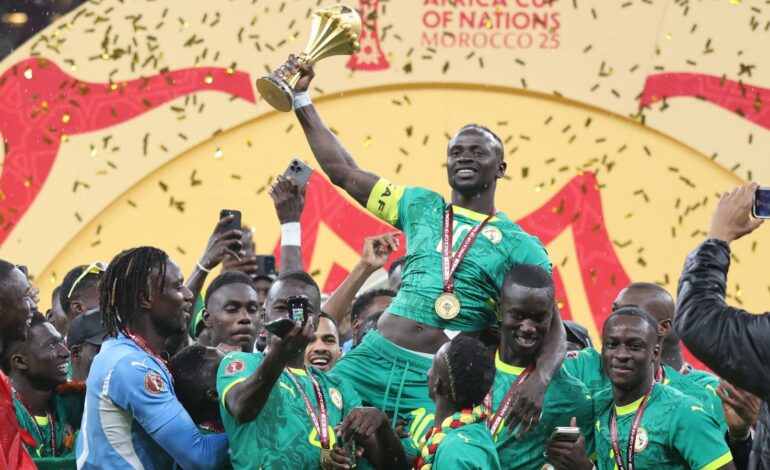
The controversy stems from the dramatic AFCON final between Senegal and Morocco, where Senegal initially secured a 1–0 victory after extra time. However, the match was overshadowed by a tense late-game incident involving a disputed penalty decision. Senegal’s players briefly walked off the pitch in protest before returning to complete the match, an action that would later prove decisive.

Weeks after the final, the Confederation of African Football (CAF) ruled that Senegal’s temporary walk-off constituted a violation of competition regulations. Citing disciplinary grounds, CAF overturned the result and awarded Morocco a 3–0 victory by default, effectively stripping Senegal of the title and handing it to their North African rivals.

The decision sparked widespread backlash in Senegal, with football officials and fans questioning both the timing and severity of CAF’s ruling.

In response, the Senegalese Football Federation formally lodged an appeal with CAS, seeking to overturn CAF’s decision and reinstate Senegal as AFCON champions. The appeal also calls for a suspension of the ruling pending a full hearing, as Senegal pushes for what it describes as a fair and impartial review process.
CAS, widely regarded as the highest authority in global sports arbitration, has acknowledged receipt of the appeal and indicated that proceedings will be expedited given the significance of the case. Its eventual ruling will be final and binding.

The case carries broader implications beyond the two nations involved. It raises critical questions about governance, disciplinary consistency, and the extent of CAF’s authority to retroactively alter match outcomes. For many observers, the dispute represents a defining moment for accountability and transparency in African football.
RELATED: