
Wayne Lumbasi

A network of tankers linked to Russia’s shadow fleet has come under scrutiny after reports that several vessels falsely claimed registration under Malawi’s flag while transporting sanctioned crude oil, raising fresh concerns about the scale and sophistication of sanctions evasion in global shipping.
Maritime tracking records show that multiple oil carriers involved in Russian oil trade transmitted identification data indicating Malawi as their flag state, despite limited evidence that they were legitimately registered with the landlocked African country. The unusual pattern has drawn attention from international regulators and shipping monitors, as Malawi does not operate a large tanker registry and rarely appears in global oil transport data.

The shadow fleet, widely associated with the continued export of Russian oil under sanctions, consists largely of aging vessels operating through complex ownership structures, frequent name changes, and reflagging tactics. These ships often move outside mainstream insurance frameworks and compliance systems, allowing them to transport crude while avoiding restrictions imposed by Western sanctions and price cap mechanisms.

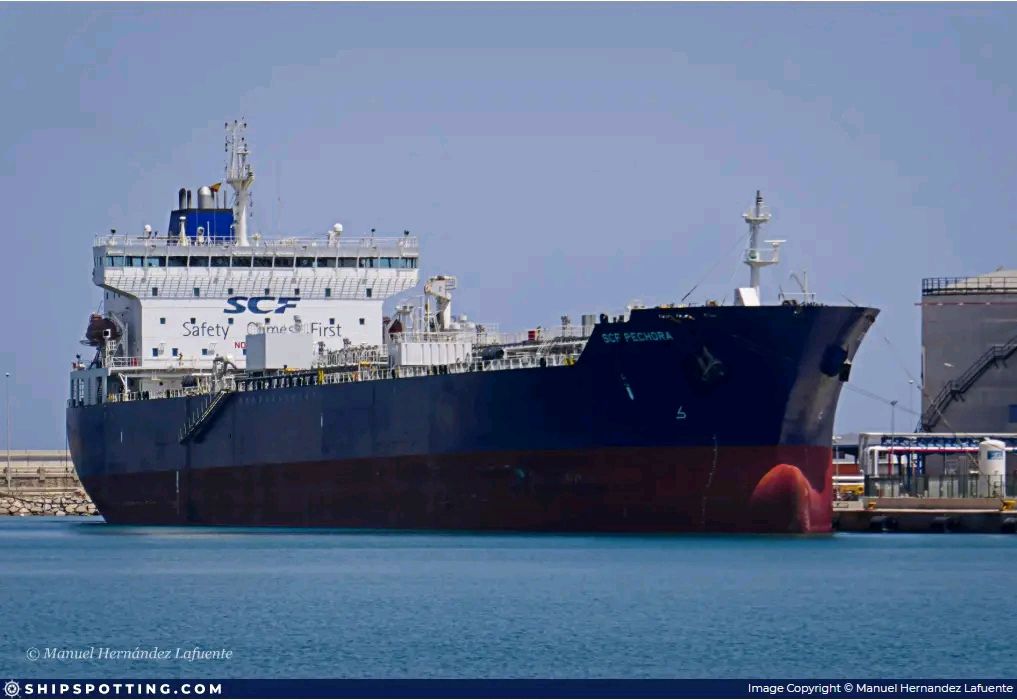
In several documented cases, vessels linked to sanctioned cargo flows appeared to switch registry details mid-operation, listing Malawi as their flag while continuing voyages between major oil loading and discharge ports. The tactic is believed to help obscure vessel identity and reduce the risk of enforcement actions such as inspections, detentions, or denial of port access.

The alleged misuse of Malawi’s registration has also triggered diplomatic and regulatory concern, with questions emerging over whether fraudulent intermediaries may have issued unauthorized flag documentation to shadow fleet operators. The development has placed additional pressure on smaller and less monitored registries, which are increasingly being targeted in sanctions evasion schemes due to weaker oversight and verification mechanisms.
Global enforcement bodies have been tightening monitoring of maritime movements linked to Russian oil shipments, particularly those involving opaque ownership records and inconsistent flag histories. Authorities are focusing on irregular registry changes, gaps in insurance documentation, and discrepancies in vessel tracking signals as key indicators of sanctions circumvention.

Beyond the legal implications, the use of false flag registrations poses broader risks to maritime safety and environmental accountability. Ships operating under questionable registry status may lack proper oversight, certification, or insurance coverage, complicating liability in the event of accidents or oil spills and weakening international maritime governance.
The emergence of vessels falsely claiming Malawi registration highlights how sanctions enforcement is being challenged by adaptive shipping practices designed to operate in regulatory grey zones. As scrutiny intensifies, regulators are expected to increase inspections and expand sanctions targeting vessels, facilitators, and networks linked to the shadow fleet in an effort to close loopholes that allow sanctioned oil to continue reaching global markets.
RELATED: