Faith Nyasuguta

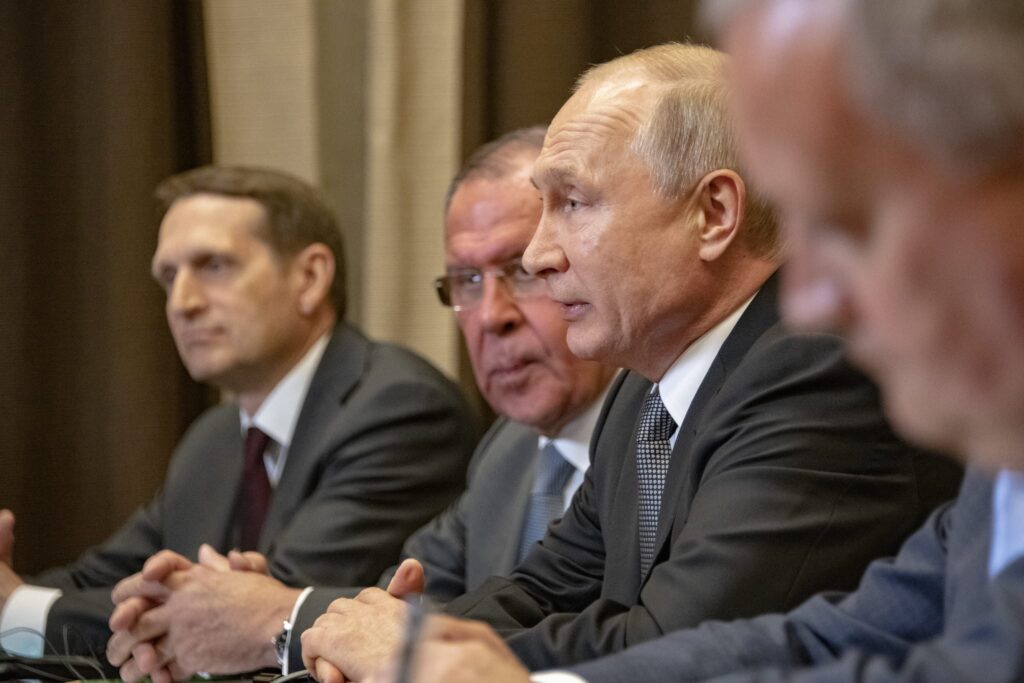
Russia’s foreign intelligence service has levelled explosive allegations against France, claiming Paris is quietly orchestrating efforts to reshape political power across parts of Africa.
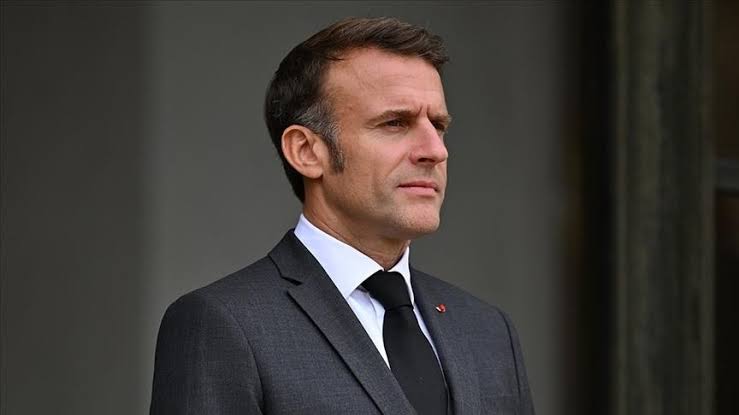
In a statement that has added fresh strain to already tense relations between Moscow and Western capitals, the Russian Foreign Intelligence Service, known as the SVR, said French President Emmanuel Macron had allegedly given the green light for covert actions aimed at sidelining or removing what it described as “unwanted leaders” on the continent.

The charge suggests a campaign of political interference rather than open diplomacy, with Russia framing France’s role as destabilising and interventionist. According to the SVR, these supposed operations are designed to weaken governments that have recently distanced themselves from Paris or strengthened ties with Moscow.

The intelligence service contends that unrest in several West African states is not accidental but part of a broader design. It points to violence against civilians, sabotage of fuel supply chains, and attacks on transport routes as tactics intended to undermine authorities and fuel public frustration.

Mali is frequently cited in these claims. Since September 2025, a blockade enforced by Jama’at Nusrat al-Islam wal-Muslimin, a group linked to al-Qaeda, has severely disrupted the country’s fuel network. Armed fighters reportedly targeted and destroyed hundreds of tanker trucks along key highways, choking off deliveries and leaving communities struggling with shortages.
The knock-on effects have been widespread. Public services slowed, businesses faced interruptions, and the education system was forced to adapt. By October, the government paused classes across the country.

Education Minister Amadou Sy Savane said on state television that classes would be halted for two weeks “due to fuel supply disruptions that are impacting the ability of school staff to travel.”
The deteriorating security picture has also affected international trade. Shipping and logistics companies, including Mediterranean Shipping Company, temporarily stopped accepting cargo bookings destined for Mali, citing safety concerns and the lack of reliable fuel supplies. The worsening conditions later contributed to the United States placing Mali and four other African countries on a high-risk travel advisory list.
Beyond Mali, tensions have also intensified in Niger. An attack on Diori Hamani International Airport near the capital, Niamey, showcased how fragile the security environment has become. The assault, which reportedly lasted about half an hour, left 24 people dead and 11 suspects arrested after Nigerien and Russian forces mounted a joint air and ground response.
In the aftermath, Niger’s leadership publicly accused foreign actors of playing a role.
“We remind the sponsors of these mercenaries, notably Emmanuel Macron, Patrice Talon, and Alassane Ouattara: we’ve heard them bark quite enough; now they should get ready to listen to us,” the Nigerien president stated.
Similar accusations have surfaced in diplomatic forums. During the United Nations General Assembly, Prime Minister Ali Mahaman Lamine Zeine directly criticised Paris, saying, “Since French troops were cast out from Niger in 2023, the government of France has established a subversive, underhand plan to destabilise my country.”
He further alleged that France was “training, financing and equipping terrorists” and seeking to stir “inter-ethnic conflict” across the Sahel.
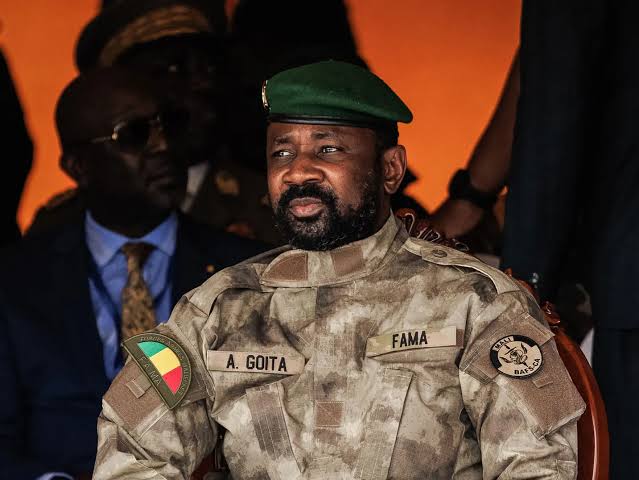
Meanwhile, Mali’s authorities have taken their own measures, recently detaining two generals and a French national over claims of a plot to undermine the state.
France has not formally endorsed the allegations, but the competing narratives highlight a growing geopolitical contest in West Africa, where former colonial influence, insurgent violence and new partnerships are colliding. As Moscow amplifies its claims and regional governments harden their rhetoric, the struggle for influence in the Sahel appears far from settled.
RELATED: