Faith Nyasuguta

Russia is moving to widen visa-free travel to four additional African countries in a bid to boost tourism, strengthen diplomatic and economic ties, and exploit openings created by tighter United States visa policies. The proposed expansion would see Zambia, Zimbabwe, Mozambique and Eswatini added to Russia’s growing list of African partners enjoying reciprocal visa-free entry.
The initiative reflects Moscow’s broader strategy to deepen its footprint across southern Africa while limiting the scope for a renewed surge of U.S. influence in the region. By easing travel rules, Russian officials hope to encourage people-to-people exchanges, increase business contacts and reinforce long-term political relationships.

The plan was confirmed by Sangadzhi Tarbaev, head of the State Duma’s tourism committee, who said discussions are already underway with the four southern African governments. According to Tarbaev, Africa may not yet be a mass tourism destination for Russians, with the exception of Egypt, but interest in the continent is steadily rising.

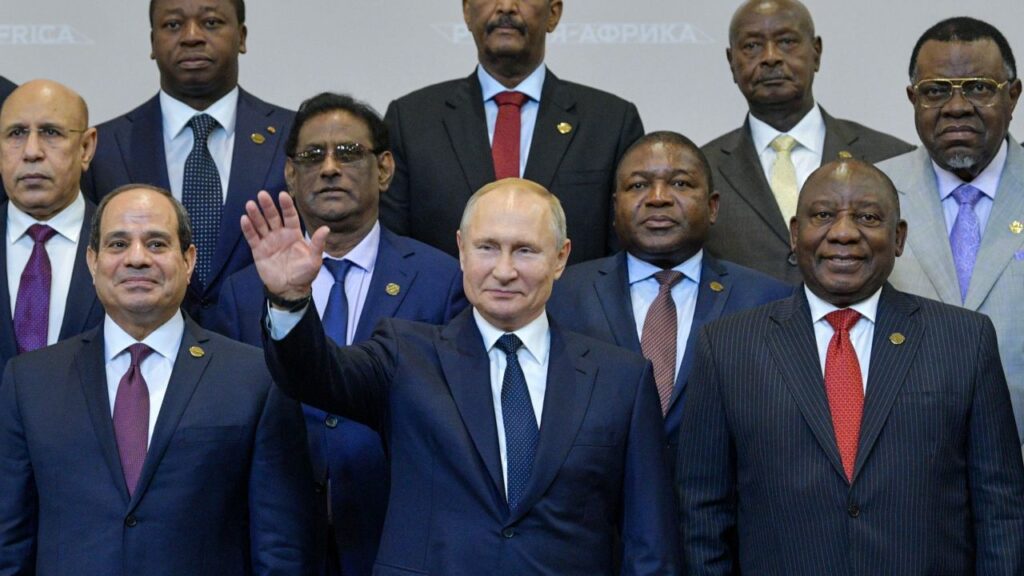
He noted that Russian travellers are increasingly looking beyond traditional European destinations, a trend accelerated by shifting geopolitical realities and the strengthening of political and economic partnerships with non-Western countries. Improved access through visa-free regimes is seen as a practical way to support this change.

Russia already maintains reciprocal visa-free travel arrangements with eleven African countries, part of a wider effort to diversify its global partnerships beyond Europe and parts of Asia. The current list includes Angola, Botswana, Cape Verde, Mauritius, Malawi, Morocco, Namibia, Sao Tome and Principe, Seychelles, Tunisia and South Africa.
Tatyana Dovgalenko, director of the Russian Foreign Ministry’s Department for Partnership with Africa, said expanding visa-free access could play a significant role in developing tourism and cultural exchanges. Speaking at a State Duma roundtable on Russia – Africa cooperation, she said discussions are ongoing with several countries to broaden the framework.

Dovgalenko added that Moscow is also working on complementary tourism agreements and memoranda of understanding designed to formalise cooperation and make travel easier. She expressed confidence that additional agreements could be signed in the near future as talks progress.
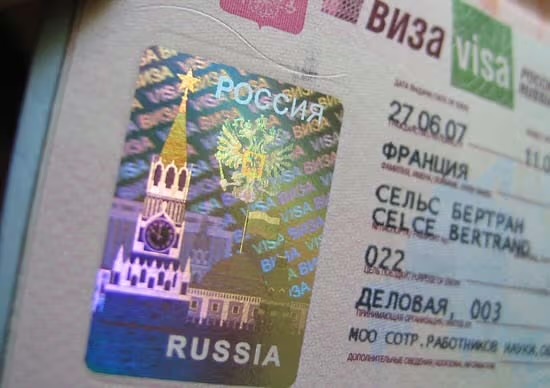
The timing of Russia’s move is notable, coming as Washington tightens entry requirements for travellers from some African nations. Under new U.S. measures, certain visitors may be required to post refundable visa bonds of up to $15,000, a policy intended to reduce overstays but criticised for creating significant financial hurdles.
While some African governments have responded with reciprocal measures for American visitors, Russia’s visa-free push offers an alternative pathway for travel and engagement. Analysts see the policy as a way for Moscow to strengthen diplomatic and economic links while positioning itself as a more accessible partner.
The possible inclusion of Zambia, Zimbabwe, Mozambique and Eswatini would expand Russia’s presence in a region known for wildlife tourism, natural resources and cultural heritage, but which has so far attracted relatively few Russian visitors compared with North Africa.
Beyond tourism, visa-free travel is viewed as a tool to stimulate trade, investment and broader cooperation. By lowering barriers to movement, Moscow aims to facilitate business ties and reinforce its influence in southern Africa at a time when U.S. engagement remains limited and European involvement, particularly by France, has declined. Officials say the policy supports long-term strategic outreach, mobility, and balanced partnerships across emerging African markets and beyond Africa.
RELATED: