Faith Nyasuguta

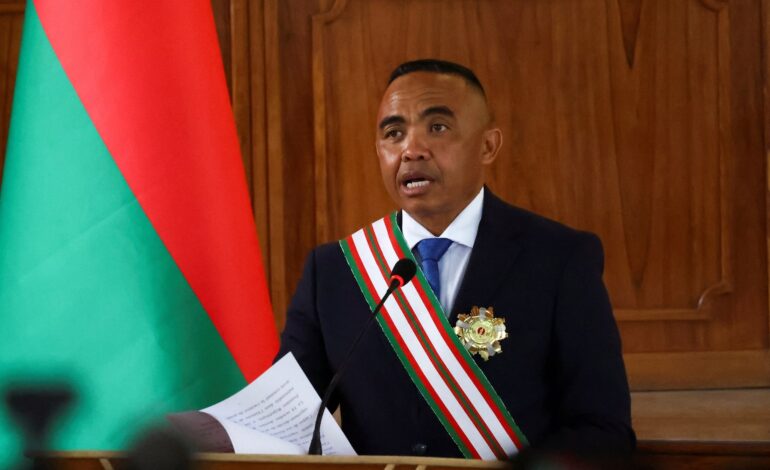
Madagascar’s political transition has taken another dramatic turn after interim president Michael Randrianirina dismissed the country’s prime minister and dissolved the entire cabinet in a sweeping government shake-up.
The announcement was delivered through the presidency in Antananarivo, confirming that the government had “ceased its functions” and that a new prime minister would soon be appointed in line with the country’s constitution. Officials did not provide any explanation for the abrupt decision, leaving analysts and political observers speculating about the motivations behind the move.

Until a new administration is formed, routine government operations will temporarily be handled by the secretaries-general of various ministries to ensure continuity in state functions.

The mass dismissal represents the most significant political restructuring since Randrianirina assumed power during a turbulent period in the Indian Ocean nation of Madagascar.

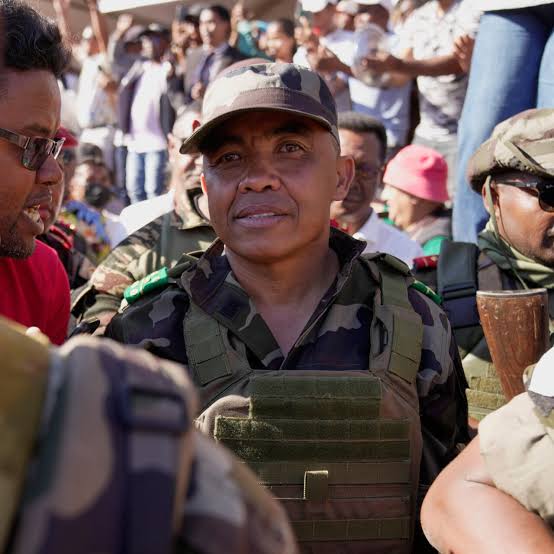
Randrianirina, a colonel in the Malagasy armed forces, rose to power in October 2025 after weeks of widespread protests forced former president Andry Rajoelina to flee the country.
The unrest had initially been sparked by youth-led demonstrations in September, as citizens expressed anger over chronic shortages of water and electricity that had been worsening living conditions across the country. What began as localized protests rapidly evolved into a broader political movement demanding accountability and systemic reforms.

Authorities attempted to contain the demonstrations through security crackdowns, but clashes between protesters and security forces left several people dead and many others injured as tensions escalated.
As the unrest intensified, sections of the military shifted their support toward the protest movement, accelerating the collapse of the previous administration and paving the way for Randrianirina to assume leadership as interim president.
Madagascar’s fragile political transition has since drawn attention from regional organizations and international observers.
The regional bloc Southern African Development Community has repeatedly urged the transitional authorities to outline a clear roadmap toward restoring democratic governance. The organization previously called on the military-backed leadership to organize elections and return the country to constitutional rule within a defined timeframe.
Randrianirina has indicated that national elections could eventually form part of the transition process, though no firm schedule has been confirmed.
While the interim leader initially enjoyed strong backing from youth movements that helped mobilize the protests, signs of frustration have begun to emerge among some of the same groups that propelled him to power. Two activist movements known as Gen Z and Gen Y, which played a significant role in organizing demonstrations against the former government, have recently increased pressure on the transitional leadership.
Local reports indicate that activists have issued a 72-hour ultimatum calling for Randrianirina to step down, citing dissatisfaction with the performance of the interim administration and accusing it of failing to deliver meaningful reforms.
Criticism has also centered on the earlier appointment of businessman Herintsalama Rajaonarivelo as prime minister shortly after the political transition.
At the time, activist groups rejected the appointment, arguing that the process lacked transparency and had not involved sufficient consultation with civil society groups and protest leaders who had played a key role in the uprising.
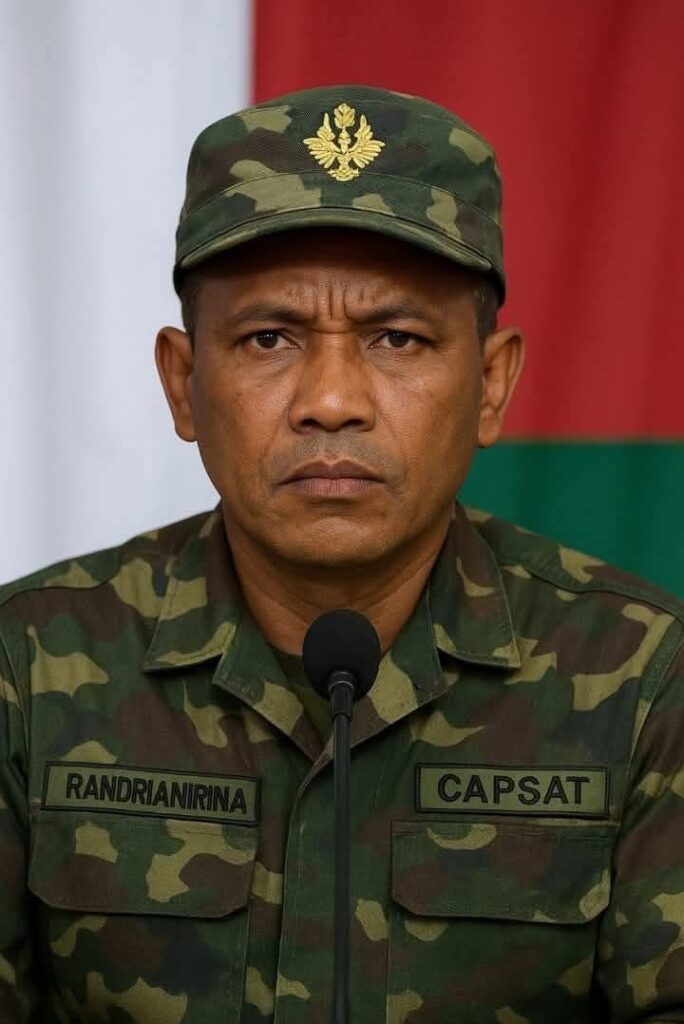
Some critics also raised concerns about perceived links between members of the transitional administration and figures associated with the previous government. The sudden dissolution of the cabinet may signal an attempt by Randrianirina to reset the political process and reshape the transitional government in response to growing pressure.
Political analysts suggest the move could be aimed at easing tensions with protest movements and creating space for a broader and more inclusive administration that reflects the demands of citizens who pushed for change.
However, the absence of a clear explanation for the sweeping decision has also raised questions about the stability and direction of Madagascar’s transition.
The island nation has experienced repeated political crises since gaining independence in 1960, including coups, disputed elections and periods of prolonged unrest that have repeatedly disrupted governance.
Whether the latest government overhaul will calm tensions or deepen uncertainty remains unclear. For now, Madagascar finds itself at another delicate moment in its political journey as the interim leadership prepares to appoint a new prime minister and assemble a fresh administration – one that many citizens hope will finally steer the country toward stability and democratic renewal.
RELATED: