Wayne Lumbasi

Across several African countries, young men facing unemployment and limited prospects are being approached with offers to travel to Russia for work. Some are told they will be employed as security guards, construction workers, farm labourers or technical assistants. Others hear about short contracts, military-style training without combat, or opportunities that could eventually lead to residency. For many, the offers appear legitimate and life-changing.
What awaits them, according to multiple accounts, is something far more dangerous.

After agreeing to the offers, recruits are assisted with travel arrangements and flown to Russia. Upon arrival, several say their passports are taken under the pretext of processing documents. They are moved quickly to holding centres or military facilities, often with little explanation. There, they are presented with contracts written entirely in Russian and pressured to sign, sometimes after being told refusal would leave them stranded with no income or legal status.

Only later do many realise the contracts commit them to military service.Training is minimal or, in some cases, almost nonexistent. Some recruits say they were handed uniforms and weapons within days. A Kenyan man recalls being sent toward the frontlines without knowing how to properly use a firearm. “I didn’t know how to shoot,” he said. “They just told us to follow orders.”

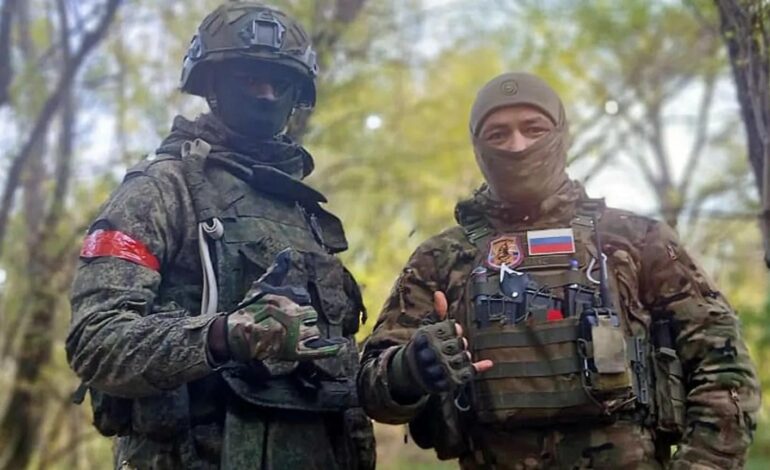
Soon after, many are deployed to active combat zones in Ukraine. Some are assigned to dig trenches under shelling. Others are sent to guard positions, move supplies, or take part in direct fighting. Several survivors say foreign recruits are often placed in the most exposed positions, with little regard for their safety or survival.
Digital platforms have played a growing role in this recruitment. Messaging apps, social media groups and online gaming spaces are increasingly used to contact young men, build trust and circulate job offers. The informal nature of these platforms allows recruiters to operate quietly, beyond the reach of labour authorities or immigration oversight.

For families back home, the reality often becomes clear only when communication stops. Calls grow infrequent, messages go unanswered, and in some cases weeks pass without any contact. Parents and relatives are left to piece together fragments of information through social media posts, leaked videos from the battlefield, or reports of captured foreign fighters.
Those who manage to escape or return home describe lasting trauma. Many speak of fear, confusion and guilt, fear of dying far from home, confusion over contracts they never understood, and guilt about surviving when others did not. Some return with injuries, while others come back silently carrying psychological scars.
The phenomenon has also strained diplomatic ties. African governments have begun issuing warnings to citizens about overseas job offers linked to Russia, while quietly seeking answers about how their nationals were recruited and deployed. In some cases, officials are working to trace recruitment networks and verify the fate of missing citizens.
At its core, the story is one of vulnerability and deception. Young men leave home chasing dignity, income and stability only to find themselves trapped in a foreign war they never intended to fight. What begins as a search for work ends on a battlefield, where the cost of a false promise can be measured in lives.
RELATED: