Faith Nyasuguta

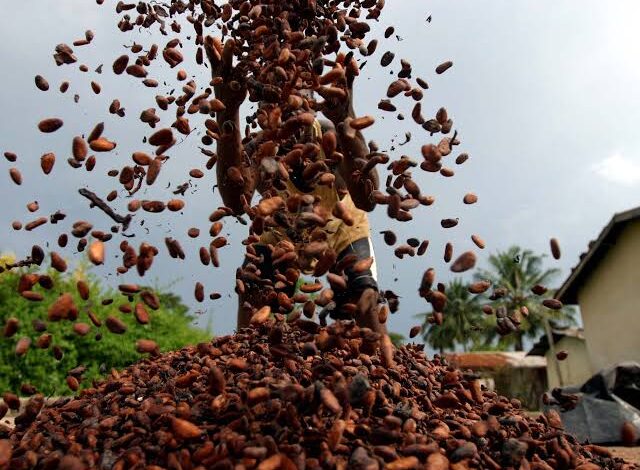
Ivory Coast – the world’s largest cocoa producer, supplying roughly 40% of global output – is grappling with a serious disruption in its cocoa sector as thousands of tonnes from the main harvest remain stuck in warehouses. The standoff stems from tensions between exporters and regulators over state-set farmgate pricing, leaving farmers caught in the middle of a growing financial squeeze.
Under Ivory Coast’s marketing system, the government – through the Coffee and Cocoa Council (Conseil Cafe-Cacao) – sets a fixed farmgate price at the start of each season. The structure is designed to protect farmers from volatile global markets and guarantee predictable income. However, fluctuations in international cocoa prices, currency pressures and contract dynamics have created friction within the supply chain.

Reports indicate that some exporters have hesitated to purchase cocoa at the official rate, arguing that existing forward sales contracts and global pricing conditions make the fixed price commercially challenging. As a result, large volumes of bagged cocoa from the main crop have accumulated in storage facilities rather than moving swiftly to ports for export.

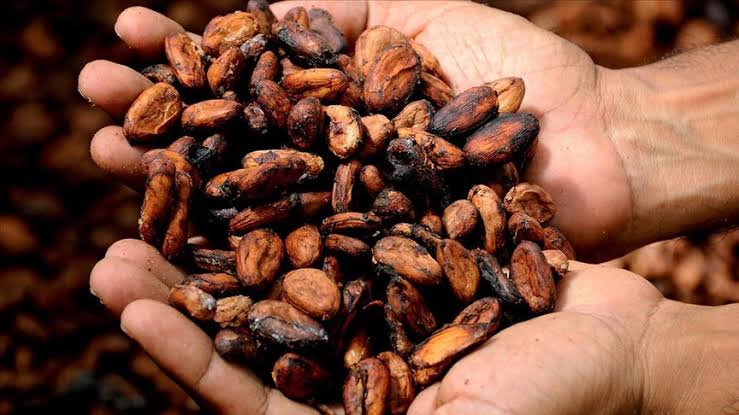
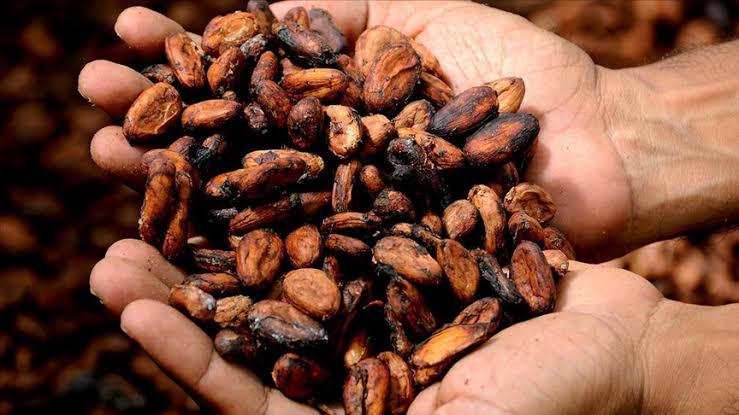
For farmers, the consequences are immediate and severe. Cocoa accounts for a significant share of household income in rural Ivory Coast, where millions depend directly or indirectly on the crop. With beans unsold, many producers are facing cash flow shortages during a critical period between harvest cycles. Some farmers have reportedly accepted below-official prices from informal buyers simply to secure short-term liquidity – a practice that undermines the regulated system and exposes them to exploitation.
In response to the mounting backlog, the Coffee and Cocoa Council has announced plans to purchase up to 100,000 metric tonnes of unsold cocoa to stabilise the market before the next season begins. The intervention aims to prevent further distress among farmers, ease warehouse congestion and restore confidence in the marketing structure.
The crisis comes at a sensitive time for global cocoa markets. Over the past two years, extreme weather, plant disease and supply constraints in West Africa – particularly in Ivory Coast and neighbouring Ghana -have contributed to sharp price volatility on international exchanges. Ivory Coast’s production challenges therefore have direct implications for global chocolate manufacturers and commodity traders.
While the government’s price-setting model is intended to shield farmers from dramatic swings, critics argue that rigid pricing can create mismatches when global futures markets shift rapidly. Supporters counter that abandoning the system would leave smallholder farmers even more vulnerable to speculative forces and predatory buying.
The unfolding situation highlights the delicate balance Ivory Coast must maintain between protecting farmer incomes and ensuring commercial viability for exporters operating in global markets. With the next cocoa season approaching, authorities are under pressure to resolve the impasse quickly to prevent further economic strain in rural communities and disruption in the international cocoa supply chain.
As the world’s leading cocoa supplier navigates this turbulence, the stakes extend far beyond national borders -touching global commodity markets, multinational chocolate producers and the livelihoods of millions across West Africa.
RELATED: