Faith Nyasuguta
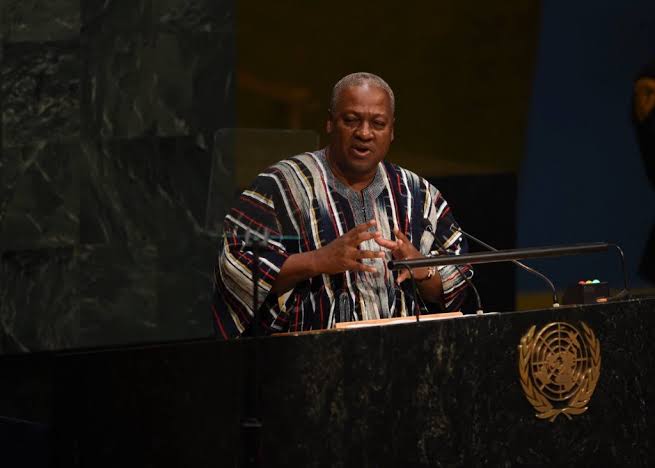
John Dramani Mahama has sharply criticised the United States, accusing it of quietly “normalising” the erasure of Black history in a way that could ripple far beyond its borders. Speaking in New York at a United Nations event on reparations, the Ghanaian president warned that recent policy shifts in Washington risk setting a dangerous global precedent.
At the centre of his remarks was Donald Trump’s administration, which Mahama says has targeted cultural and historical institutions under the guise of removing so-called “anti-American” narratives. Actions cited include the removal of slavery-related exhibits, the reinstatement of Confederate monuments, and broader directives affecting how history is presented in public spaces.

“These policies are becoming a template for other governments -they are slowly normalising the erasure,” Mahama said, framing the issue as not just an American concern but a global one with implications for how history is remembered and taught.

He pointed to growing reports of Black history being sidelined in school curricula, alongside increasing bans on books addressing slavery, segregation, and systemic racism. According to Mahama, limiting access to this history risks distorting public understanding and undermining decades of progress in confronting racial injustice.
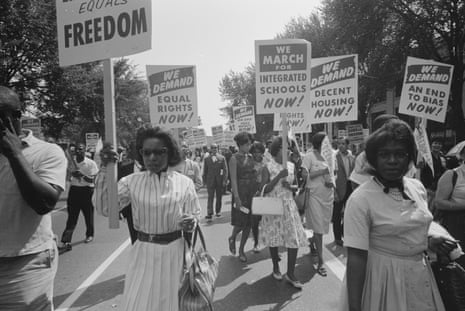
The criticism lands at a time when debates over education and historical memory are intensifying in the U.S., with civil rights advocates warning that such measures could reverse gains made since the civil rights movement. For Mahama, the stakes go even further – shaping how future generations understand both the past and present.
The White House pushed back strongly. A spokesperson defended Trump’s record, stating he has “done more for Black Americans than any other president” and highlighting what they described as “historic support” from Black voters during the 2024 election. The administration insists its policies are aimed at promoting unity rather than division.
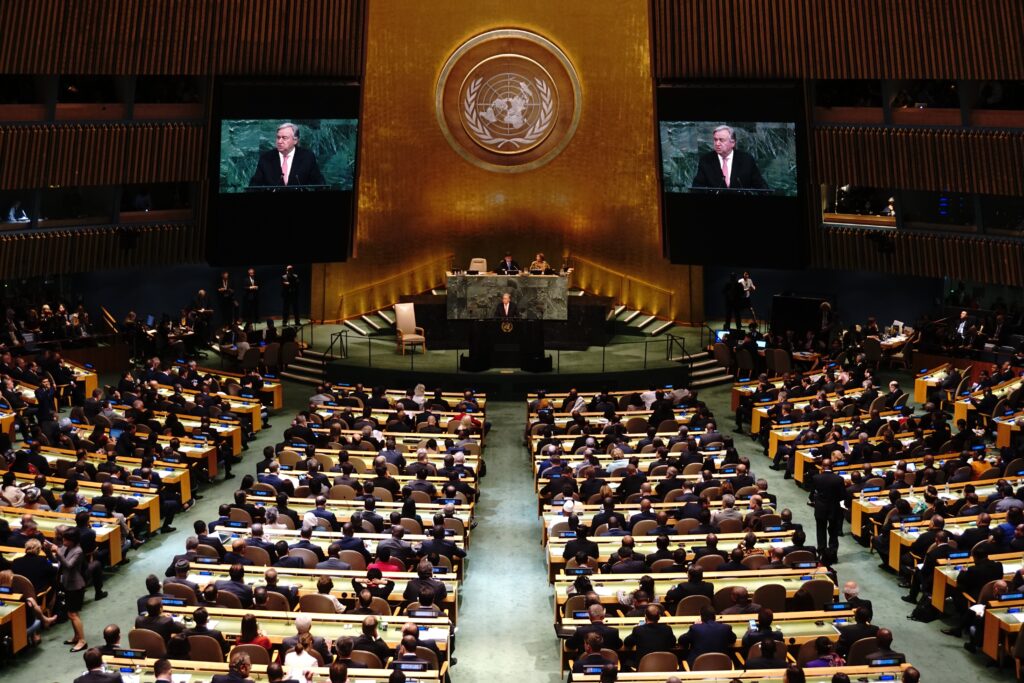
Mahama’s comments come as Ghana ramps up its international campaign for reparations tied to the transatlantic slave trade. In New York, he is advocating for a United Nations resolution that would formally recognise slavery as “the gravest crime in the history of humankind” and lay the groundwork for renewed discussions on justice and compensation.
Ghana has emerged as one of the leading voices in the reparations movement, backed by blocs such as the African Union and the Caribbean Community, as well as countries including Brazil. However, resistance remains strong from Western powers, with both the U.S. and the European Union signalling they will not support the resolution.
For Mahama, the battle is about more than policy – it is about memory, truth, and accountability. As global tensions over history and identity deepen, his warning underscores a growing concern: that how the past is told may increasingly shape the politics of the present.
RELATED: