Faith Nyasuguta
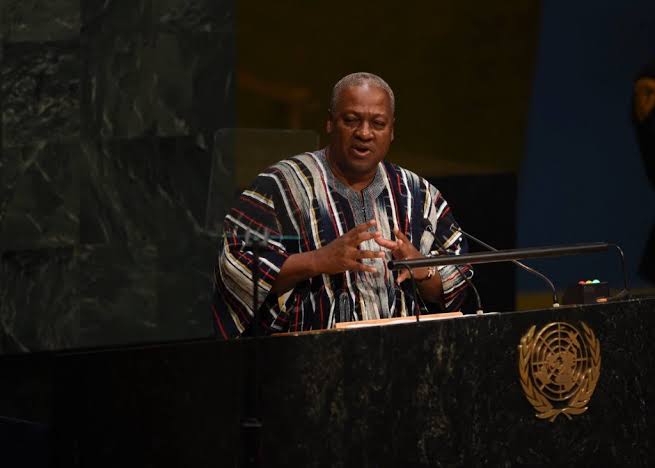
Ghana is leading a renewed diplomatic push at the United Nations to formally recognise the transatlantic slave trade as one of history’s gravest crimes against humanity, a move aimed at deepening global conversations on justice, reparations and historical accountability.
Speaking ahead of the proposal, Ghana’s Permanent Representative Samuel Yao Kumah urged member states to support the draft resolution, framing it as a necessary step toward acknowledging the full scale and enduring consequences of a system that reshaped the modern world. He stressed that the initiative is not about ranking human suffering, but about recognising the unique historical and structural impact of the slave trade.

Kumah pushed back against concerns that such recognition could elevate one atrocity above others like genocide, apartheid or colonial violence. Instead, he emphasised that all remain firmly condemned under international law, and that the resolution seeks to complement- not compete with – existing frameworks of justice.

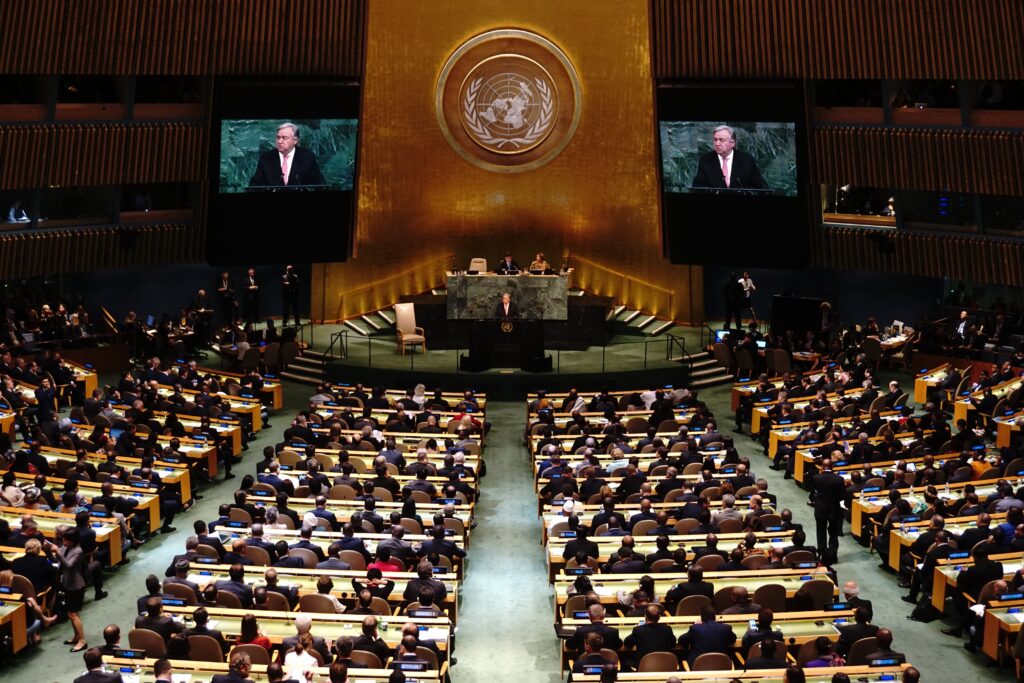
For Ghana, the effort is part of a broader strategy to confront the past with honesty while laying the groundwork for meaningful discussions around reparative justice. The country has increasingly positioned itself as a leading voice in global reparations debates, aligning with wider calls from African and Caribbean nations seeking acknowledgment and redress for centuries of exploitation.

Historical records show that between 1501 and 1867, more than 13 million Africans were forcibly transported across the Atlantic under brutal conditions, with millions dying during the journey. The legacy of that system continues to shape global inequalities, from economic disparities to racial injustices that persist across societies today.
By advancing this resolution, Ghana is not only seeking symbolic recognition but also attempting to shift international discourse toward a more inclusive understanding of historical responsibility. Kumah underscored that acknowledging this past should be seen not as an act of blame, but as a shared commitment to truth, dignity and equality.

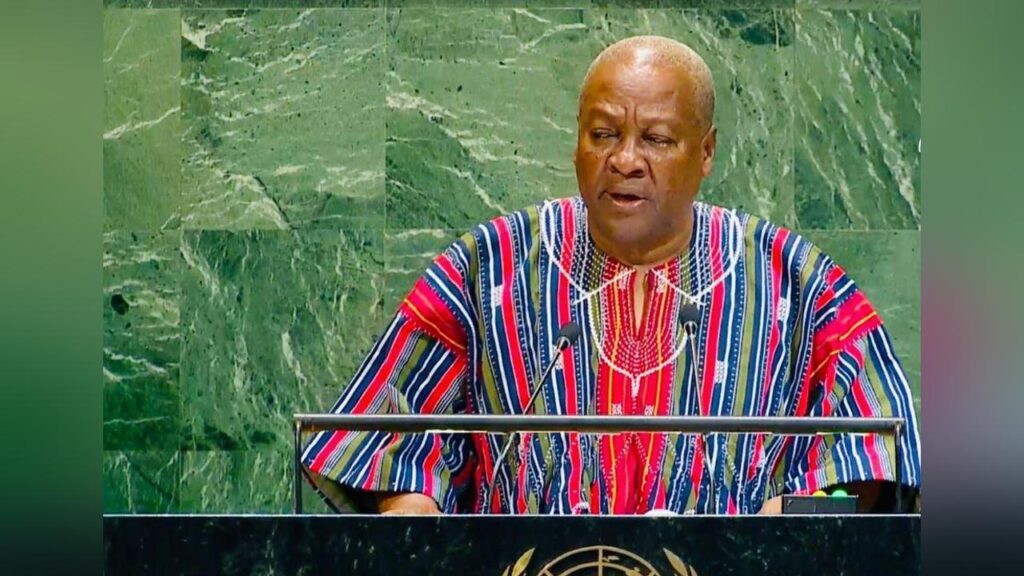
If adopted, the resolution could mark a significant moment in the global reckoning with slavery’s legacy, reinforcing calls for justice while redefining how the international community confronts one of humanity’s darkest chapters.
RELATED: