Wayne Lumbasi

Ethiopia has reported saving about $3.4 billion in foreign exchange expenditure over the past six months, marking a notable milestone in the country’s ongoing economic reform drive aimed at easing pressure on scarce hard currency resources.
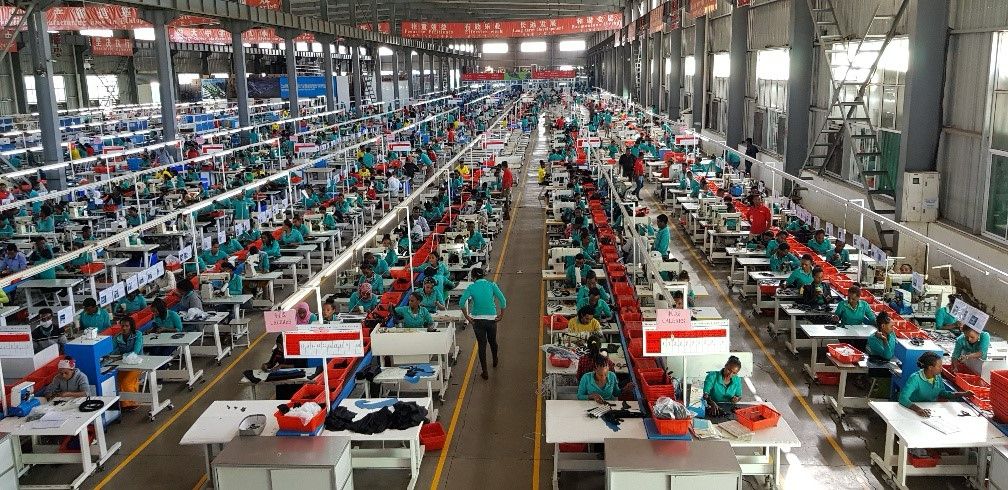
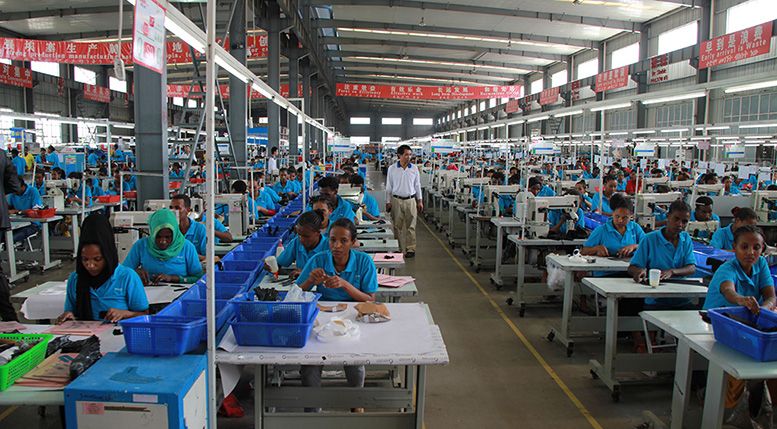
The savings are largely attributed to a renewed focus on local manufacturing and import substitution, as authorities intensify efforts to replace goods previously sourced from abroad with domestically produced alternatives. The approach forms part of a broader industrial strategy designed to strengthen self-sufficiency, support local businesses, and reduce exposure to external shocks.

A central pillar of this push is the “Made in Ethiopia” initiative, which encourages domestic production across key sectors, including industrial inputs, consumer goods, and construction materials. By expanding local supply chains, Ethiopia has been able to cut back on foreign exchange outflows that historically went toward importing essential goods.

The reported gains come at a time when Ethiopia is also implementing far-reaching macroeconomic and foreign exchange reforms. In recent years, the country has moved toward a more market-oriented foreign exchange system, a shift intended to improve currency availability, enhance transparency, and restore investor confidence. These reforms are supported by a multi-year financing program with international partners aimed at stabilizing the economy and addressing balance-of-payments challenges.

Alongside reduced import spending, export performance has shown improvement, helping to bolster foreign exchange inflows. Growth in traditional exports, combined with gradual diversification, has supported the broader effort to strengthen external accounts.
However, challenges remain. Inflationary pressures, foreign currency shortages, and adjustment costs linked to exchange rate reforms continue to weigh on businesses and households. Sustaining the gains will depend on maintaining policy consistency, expanding industrial capacity, and ensuring that local producers remain competitive in terms of quality and cost.

Still, the $3.4 billion savings figure signals growing momentum behind Ethiopia’s strategy to rebalance its economy, conserve foreign exchange, and build a more resilient production base capable of supporting long-term growth.
RELATED: