Faith Nyasuguta

Egypt has firmly denied any connection to a Russian liquefied natural gas (LNG) tanker that sank in the Mediterranean Sea, seeking to distance itself from an incident that has quickly drawn geopolitical attention.
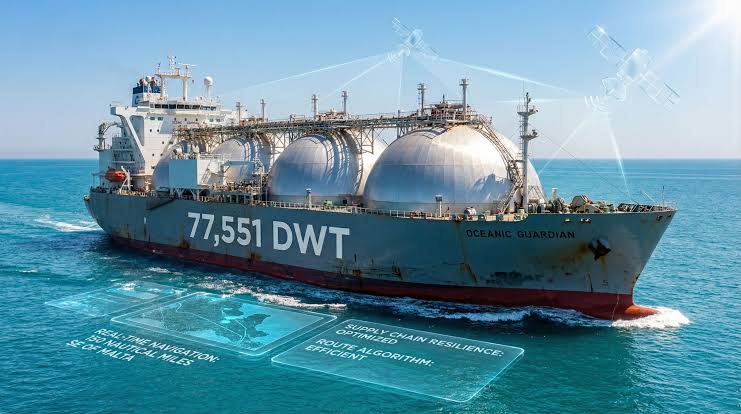
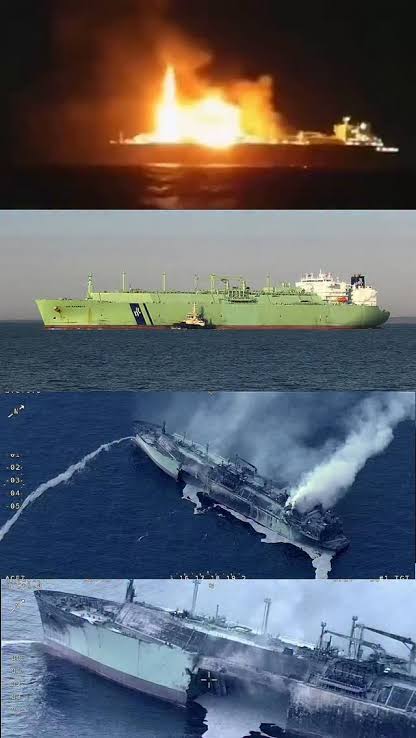
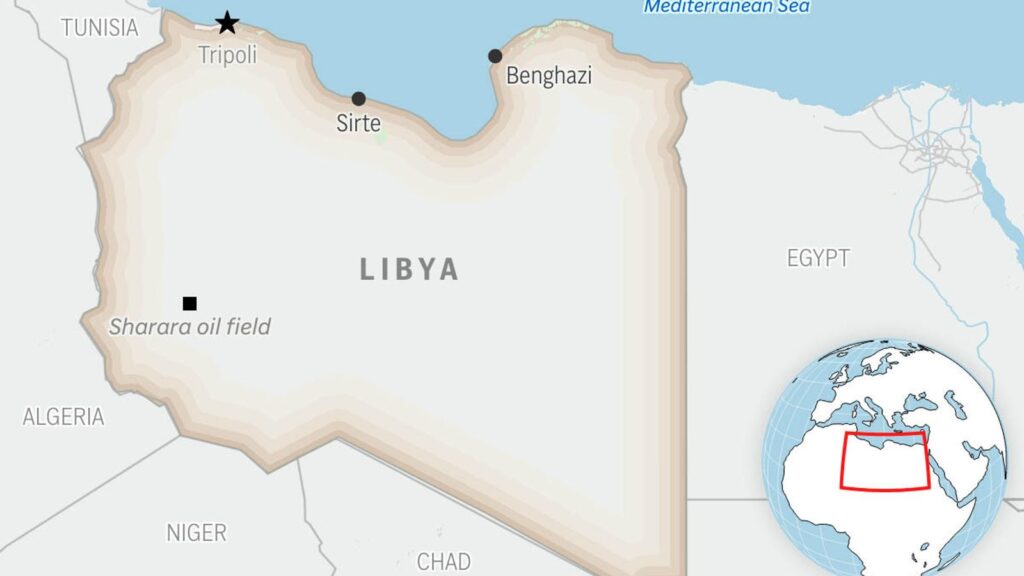
The tanker, identified as the Arctic Metagaz, went down on Wednesday in waters between Libya and Malta after catching fire a day earlier, according to Libya’s maritime rescue authorities. The vessel had been transporting LNG from the Russian Arctic port of Murmansk when the incident occurred.

Russia’s transport ministry claims the ship was targeted by Ukrainian naval drones allegedly launched from the Libyan coast. Moscow described the alleged attack as a serious violation of international maritime law, labelling it both maritime piracy and an act of international terrorism.

Despite the dramatic circumstances surrounding the sinking, all 30 crew members on board – who are Russian nationals – were rescued safely. Russian officials expressed gratitude to Malta’s rescue services for their role in the operation.

As speculation about the vessel’s destination circulated, Egypt’s petroleum ministry quickly issued a statement rejecting any involvement with the tanker. Authorities clarified that the Arctic Metagaz was not scheduled to dock at any Egyptian port and was not connected to Egypt through any LNG supply contracts.
Libya’s National Oil Corporation also distanced itself from the incident, noting that while the tanker was reportedly sailing toward the eastern Mediterranean region, it had no operational or commercial ties to Libya’s energy sector.

The sinking has prompted maritime safety alerts across the region. Libya’s maritime rescue agency has advised nearby vessels to steer clear of the area while monitoring for any signs of pollution.
Industry experts say the environmental impact of the incident is likely to be limited. Since the cargo consisted primarily of liquefied natural gas, which typically evaporates quickly when released, the main concern is believed to be the vessel’s fuel oil reserves.
The incident adds another layer of tension to an already volatile geopolitical environment in the Mediterranean, where energy routes, maritime security, and the wider conflict involving Russia and Ukraine increasingly intersect.
RELATED: