Wayne Lumbasi

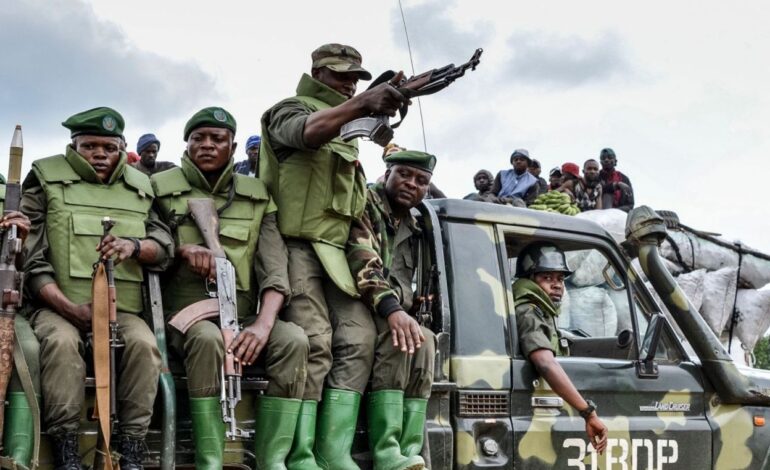
The Democratic Republic of the Congo has started a major disarmament campaign targeting the Democratic Forces for the Liberation of Rwanda, a militia linked to those responsible for the Rwandan genocide. The move marks a significant step in efforts to stabilize eastern Congo and advance a fragile peace process with neighboring Rwanda.
The Congolese army says the operation will initially prioritize voluntary disarmament, encouraging FDLR fighters to surrender peacefully rather than face military force. The campaign began in the city of Kisangani, where authorities have set up reception centers to process combatants who lay down their arms. Those who surrender are expected to undergo screening before being repatriated to Rwanda, in line with regional security arrangements.

The FDLR has operated in eastern Congo for more than two decades and is composed in part of remnants of Rwanda’s former army and militias involved in the 1994 genocide. Rwanda has long viewed the group as a direct national security threat and has repeatedly demanded its dismantling. The presence of the FDLR has been one of the central drivers of tensions between the two countries, fueling cycles of conflict and mistrust.

The disarmament push is also a key condition of a U.S.-brokered peace agreement signed in 2025 between Congo and Rwanda. Under the deal, Congo committed to neutralizing the FDLR, while Rwanda agreed to withdraw forces and cease alleged support for rebel groups operating in eastern Congo. The latest operation is therefore seen as Kinshasa’s attempt to fulfill its obligations and revive momentum behind the agreement.

Image
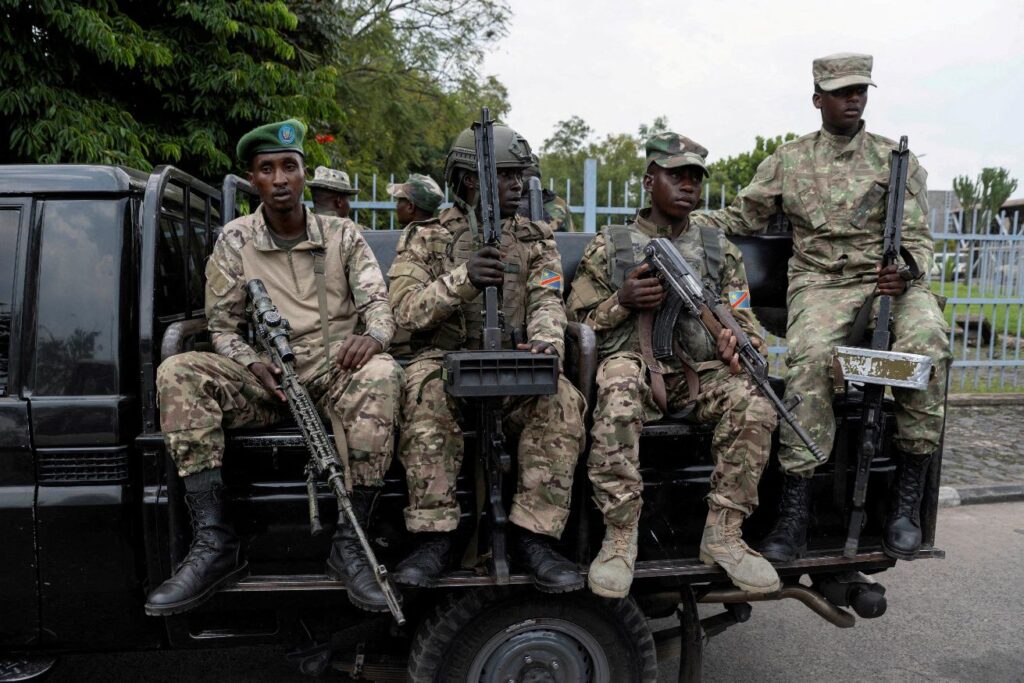
However, the broader security situation remains volatile. Fighting continues in eastern Congo, particularly involving the M23 Movement, which Congo accuses Rwanda of backing. Rwanda has denied these claims and instead accuses Congo of collaborating with the FDLR, highlighting the deep mistrust that continues to undermine peace efforts.

The United States has also become increasingly involved, imposing sanctions on Rwanda’s military over alleged support for the M23 rebels, further complicating diplomatic relations. Meanwhile, eastern Congo remains crowded with armed groups competing for control of territory and resources, making any single disarmament effort difficult to sustain without broader regional cooperation.
While the launch of the disarmament campaign represents a potentially important breakthrough, its success is far from guaranteed. Previous attempts to dismantle the FDLR have faltered, lasting peace will depend not only on disarmament but also on addressing the deeper political, ethnic, and economic tensions that continue to fuel conflict in the region.
RELATED: