Faith Nyasuguta

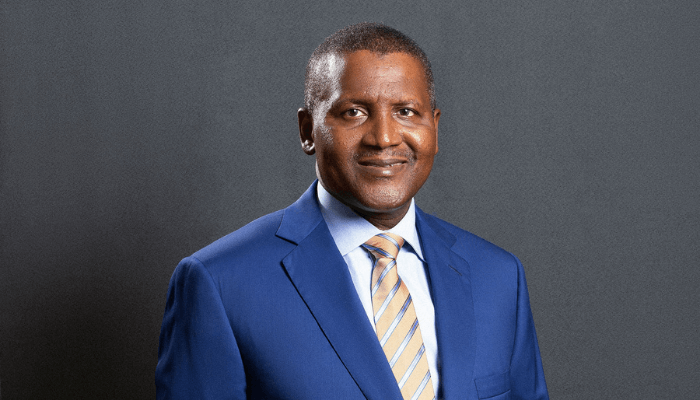
Nigerian industrialist Aliko Dangote is taking his refining ambitions a step further, announcing plans to construct what could become Africa’s largest detergent raw material facility within the sprawling Dangote Refinery.
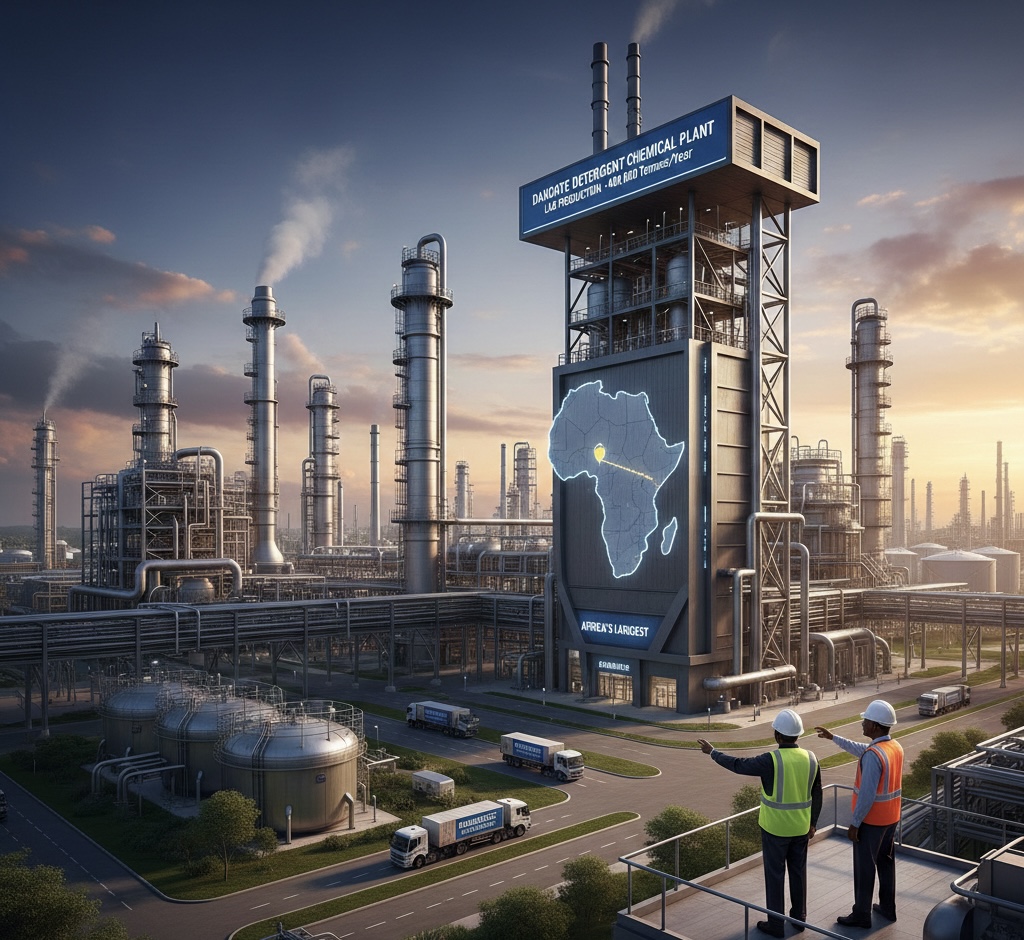
The proposed plant will manufacture Linear Alkyl Benzene (LAB), a key chemical used in producing surfactants – the active ingredients that make soaps and detergents effective. While consumers rarely hear about LAB, it is the backbone of detergent manufacturing, and Africa currently relies heavily on imports to meet demand.

Dangote says the new facility will produce 400,000 tonnes of LAB annually – far exceeding existing African capacity. At present, the continent hosts only two LAB plants: one in Algeria with a capacity of 100,000 tonnes and another in Egypt producing about 50,000 tonnes per year. The planned Nigerian plant alone would outstrip both combined, positioning Nigeria as a dominant regional supplier.

The billionaire entrepreneur revealed the expansion during a tour of the refinery complex alongside Bayo Ojulari, Group Chief Executive Officer of the Nigerian National Petroleum Company Limited. According to Dangote, the LAB plant is expected to be delivered within 30 months, reinforcing the site’s transformation from a single-purpose refinery into a diversified industrial zone.
Valued at $20 billion, the Dangote Refinery is already regarded as Africa’s largest oil refining project. With fuel production gradually stabilizing toward full capacity, attention is shifting toward expanding downstream and petrochemical operations. Dangote has described the complex not simply as a refinery but as a broader industrial hub – one designed to support multiple manufacturing streams under one integrated platform.
The LAB project fits squarely into that strategy. By producing a critical detergent feedstock locally, Nigeria could significantly reduce its dependence on imported raw materials while strengthening its domestic manufacturing base. For African detergent producers, a reliable regional supply could lower costs, improve logistics, and enhance supply chain stability.
Beyond detergents, the development also complements Dangote Group’s wider industrial portfolio, which spans cement production, fertilizer manufacturing, agriculture, and oil refining. The addition of a large-scale LAB plant would further deepen Nigeria’s petrochemical footprint and potentially reshape the continent’s detergent supply chain.
If completed as projected, the plant could mark another milestone in Dangote’s effort to position Nigeria not just as an energy producer, but as a manufacturing powerhouse serving markets across Africa.
RELATED: