Faith Nyasuguta

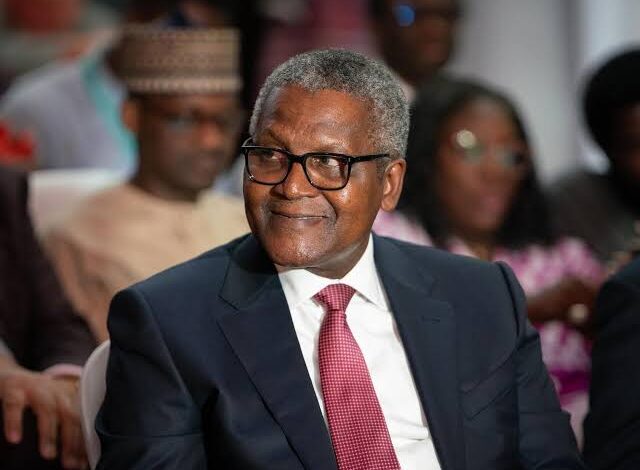
Africa’s richest industrialist, Aliko Dangote, has issued a forceful appeal to the Nigerian federal government to convene an emergency forum to confront the country’s persistent electricity crisis – warning that continued blackouts are undermining the nation’s industrial ambitions and economic growth.
Speaking on 18 February 2026 in Abuja at the national launch of the National Industrial Policy 2025, themed “From Policy to Productivity: Implementing Nigeria’s Industrial Future,” Dangote called for a one- or two-day national retreat devoted exclusively to resolving Nigeria’s chronic power challenges. The gathering brought together senior government officials, captains of industry and development partners, with Kashim Shettima representing President Bola Tinubu at the event.

“No country can generate growth or create jobs without power,” Dangote said, delivering remarks that resonated with industry leaders. “Power means growth. No power, no growth.” His comments underscore a frustration long shared by Nigeria’s private sector, where unreliable electricity has been cited as the largest constraint on productivity and manufacturing competitiveness.

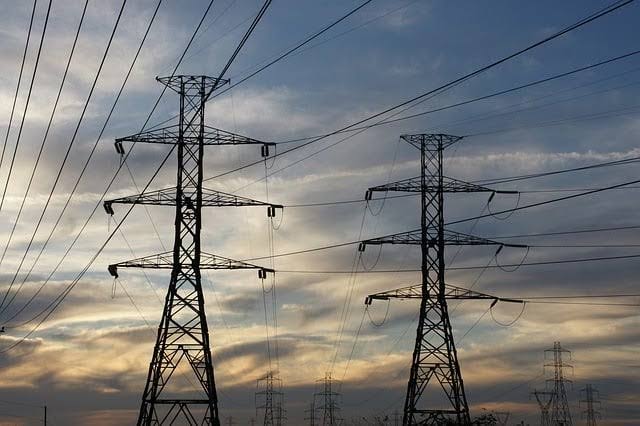
His intervention comes amid renewed anxiety over electricity reliability following a recent five-day disruption, in which several power plants experienced gas constraints after maintenance work by Seplat Energy reduced fuel supply, triggering widespread generation shortfalls and load shedding across parts of the country. Manufacturers say such episodes are symptomatic of deep structural issues in the grid and supply chain that have persisted for years.

Nigeria’s electricity sector struggles have forced many factories to rely on diesel-powered generators to stay operational, dramatically increasing production costs and eroding profit margins. Dangote – whose conglomerate spans cement, fertiliser and oil refining – acknowledged the irony of the situation. While higher diesel usage could boost sales for parts of his business, he said, “that is not the right way. The right way is to make sure there is power.”
Beyond energy, Dangote used the platform to call for stronger protection of local industries. He praised the government’s policy incentives as “very good” but cautioned that incentives without solid infrastructure and market protections will not be sufficient to nurture a robust industrial base. He argued that unchecked importation undermines domestic manufacturing and warned that “importation of anything is importation of poverty and exportation of jobs.”

His remarks reflect broader concerns among Nigeria’s organised private sector, which has repeatedly cited high production costs, limited access to finance and infrastructure bottlenecks as headwinds to growth. Domestic producers have complained that the current environment makes it difficult to compete with cheaper imports, a situation that policymakers have acknowledged but struggled to address fully.
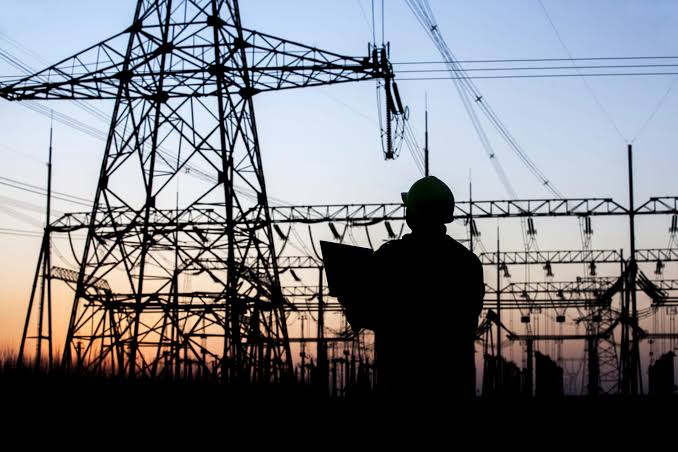
Dangote also highlighted the scale of private enterprise’s role in Nigeria’s economy. He noted that the private sector accounts for nearly 90 percent of gross domestic product, dwarfing government activity, and urged greater synergy between policymakers and business leaders to unlock the nation’s potential. He also stressed the need for businesses to fulfil their obligations – including tax payments – as part of a collective effort to strengthen public finances.
On currency performance, Dangote expressed optimism that recent economic reforms are beginning to yield results. He projected the naira could appreciate to around 1,100 Naira per U.S. dollar in 2026, driven in part by import substitution and increased local production, though he said this could create policy challenges if pursued too aggressively.
Experts say Nigeria’s ambitious goals -including positioning itself as a manufacturing hub, expanding exports and reducing import dependence – hinge on resolving the longstanding electricity shortfall. Without stable power, policies risk failing to translate into productivity and sustainable growth, and the country’s broader structural reforms may be undermined by persistent energy constraints.
For Dangote, the message was clear: fix the power sector first. Only then can Nigeria’s industrial aspirations -and its $500 billion economy – realise their full potential.
RELATED: