Faith Nyasuguta

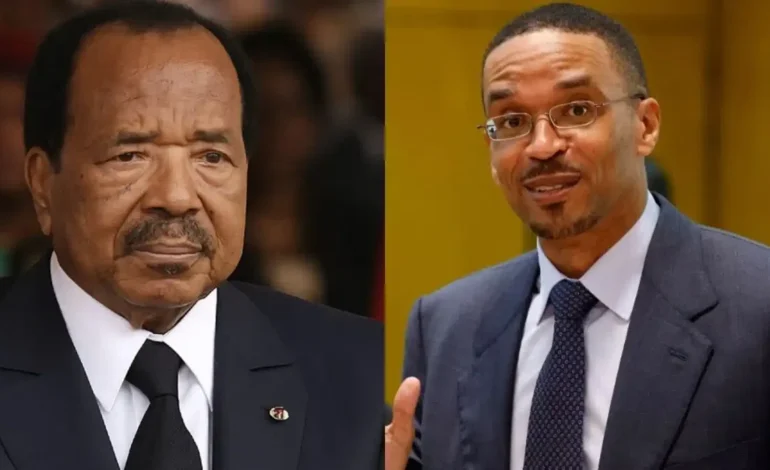
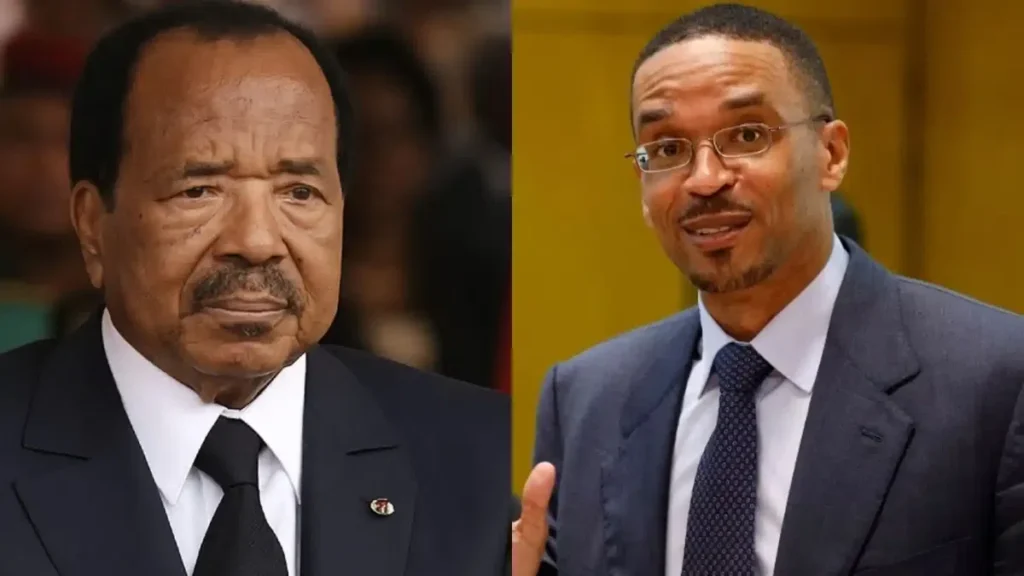
Cameroon’s long-serving leader, Paul Biya, has appointed his son, Franck Emmanuel Biya, as Vice President and head of the armed forces, marking a historic and controversial political development in the country.
The move introduces the position of Vice President for the first time in over five decades, after it was abolished in 1972 during a constitutional restructuring that consolidated executive power under the presidency. In reinstating the role, Biya has effectively reshaped Cameroon’s political hierarchy, placing his son at the center of both civilian governance and military command.

The appointment is widely seen as a significant shift in the country’s power dynamics, particularly given Biya’s more than 40 years in office. At 90+, the president is one of Africa’s longest-serving leaders, and questions around succession have increasingly dominated political discourse in recent years. By elevating his son to such a powerful position, analysts suggest Biya may be laying the groundwork for a controlled transition of power.

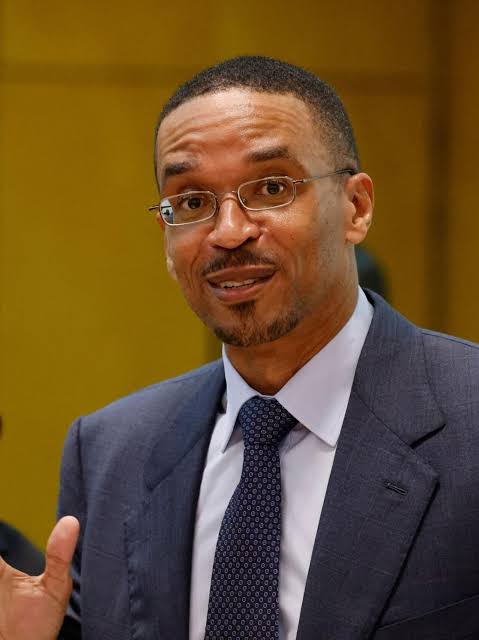
Franck Emmanuel Biya has largely maintained a low public profile, with limited direct involvement in frontline politics prior to this appointment. His elevation to Vice President and commander of the armed forces instantly positions him as one of the most influential figures in the country, with oversight of national security and a clear presence within the executive structure.

The decision is expected to generate strong reactions both domestically and internationally. Critics are likely to view the move as a step toward dynastic rule, raising concerns about governance, transparency, and democratic principles. Supporters, however, may argue that the appointment ensures continuity and stability in a country that has experienced periodic political and security challenges, including unrest in its Anglophone regions.
The reintroduction of the Vice Presidency also raises legal and constitutional questions, particularly around the process through which the position has been restored and the extent of its powers. It remains unclear whether further institutional reforms will follow to formally embed the role within Cameroon’s governance framework.

Regionally, the development adds to ongoing debates about leadership transitions across Africa, where questions of succession, term limits, and institutional strength continue to shape political landscapes. Cameroon now finds itself at the center of that conversation, as the appointment signals a potential shift toward a more centralized and family-linked power structure.
As the situation unfolds, attention will focus on how this decision impacts Cameroon’s political future, the response from opposition groups, and whether the move stabilizes or deepens tensions within the country’s governance system.
RELATED: