Faith Nyasuguta

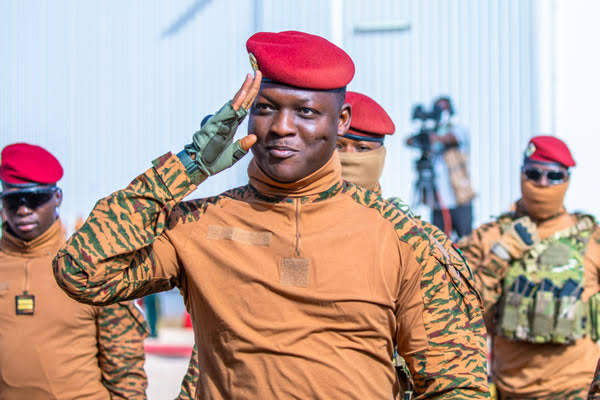
Burkina Faso’s military government has forcefully rejected allegations that more than 1,800 civilians have been killed since Ibrahim Traore seized power, dismissing the claims as “unfounded” and politically motivated.
The accusations stem from a report by Human Rights Watch, which alleges that widespread abuses – some potentially amounting to crimes against humanity – have occurred over the past three years. According to the report, the majority of the killings are attributed to Burkina Faso’s military and allied militias, with Islamist armed groups responsible for the rest.

Researchers say their findings are based on satellite imagery, video analysis, and testimonies from witnesses and survivors. Among the most disturbing accounts is a December 2023 incident in Djibo, where more than 400 civilians were allegedly killed during a military operation. Survivors described the violence as indiscriminate and deeply traumatic, pointing to lasting psychological scars in affected communities.

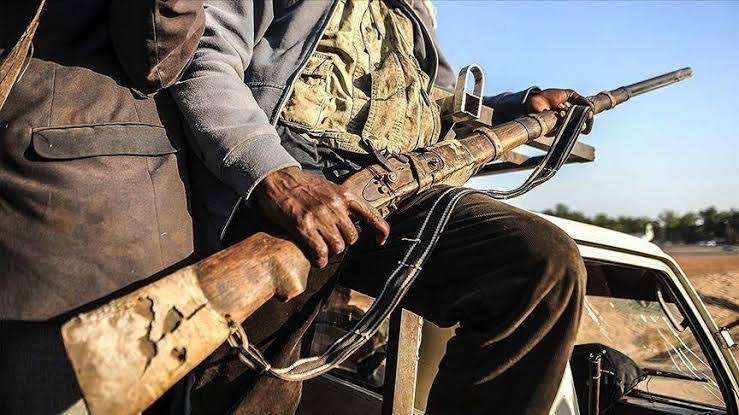
The government, however, has pushed back hard. Officials argue the report relies on selective evidence and lacks credibility, accusing international organisations of undermining national efforts to combat insecurity. Authorities insist that military operations are aimed solely at restoring order in a country battling a persistent jihadist insurgency.

Burkina Faso remains at the epicentre of a worsening security crisis in the Sahel. Armed groups linked to extremist networks continue to control large swathes of territory, displacing millions and straining already fragile state structures. Since taking power in 2022, Traore’s administration has prioritized a hardline military approach, including the mobilization of civilian auxiliaries to support the army.
But this strategy has drawn increasing scrutiny. Critics warn that the use of loosely regulated militias risks blurring the line between counterterrorism and collective punishment, potentially fueling cycles of violence rather than ending them. Rights groups argue that accountability remains weak, with few transparent investigations into alleged abuses.

The situation also reflects a broader regional pattern. Countries like Guinea and Gabon have experienced recent coups, while several Sahel states face mounting tensions between security imperatives and human rights obligations.
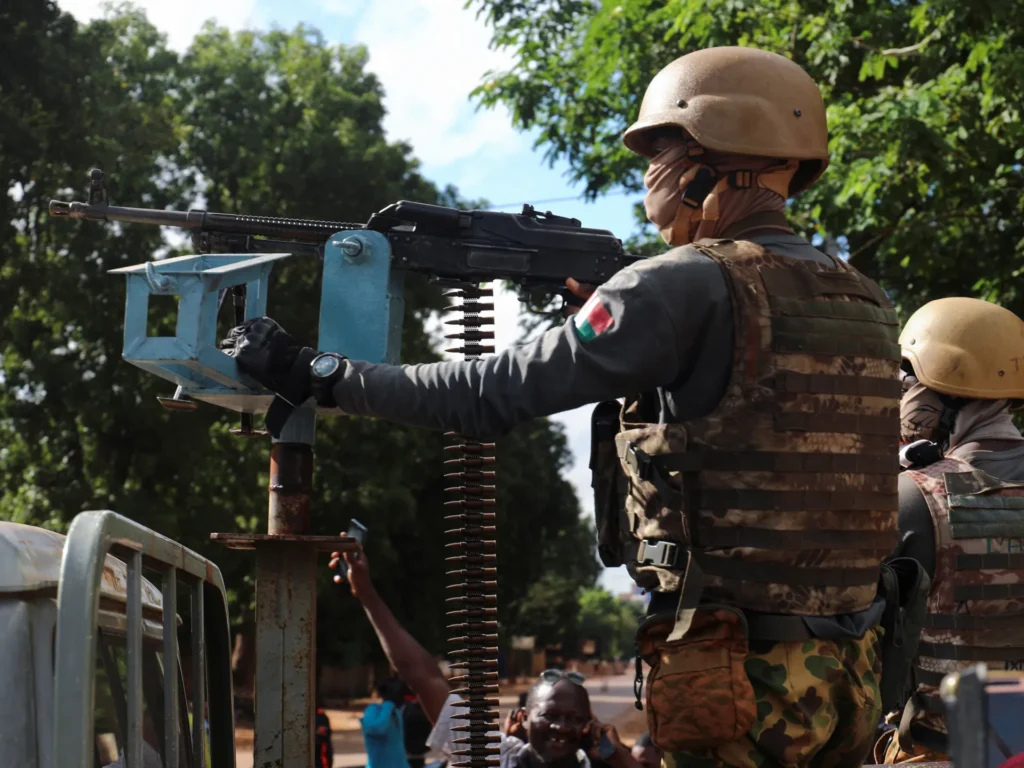
As pressure mounts, the divide between official narratives and independent reporting continues to widen. For many, the central question is no longer just about numbers – but about accountability, credibility, and the human cost of a war that shows no clear end.
RELATED: