Faith Nyasuguta

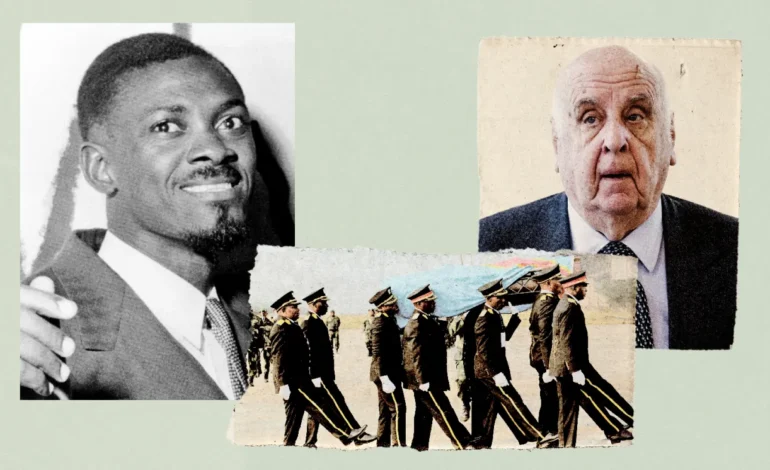
A Brussels court has cleared the way for one of the most politically charged trials in Europe’s modern history, ordering a 93-year-old former Belgian diplomat to stand trial over the killing of Patrice Lumumba – the independence hero of the Democratic Republic of the Congo.
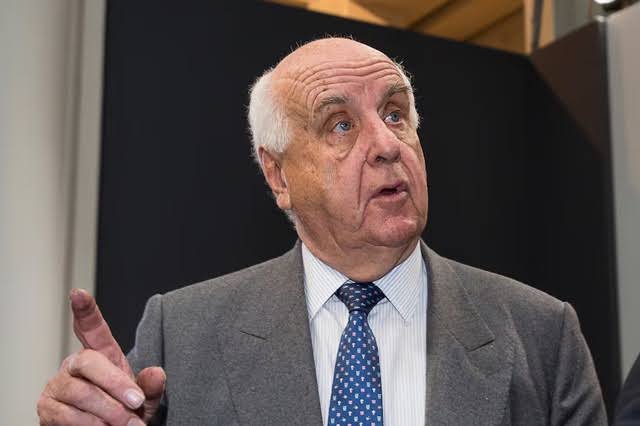
Etienne Davignon, once a rising figure in Belgium’s diplomatic corps and later a senior European official, is now the last surviving Belgian among those accused by Lumumba’s family of playing a role in the 1961 assassination. Prosecutors allege his involvement in Lumumba’s unlawful detention, transfer, and degrading treatment in the final days before his execution. The court’s decision, though still open to appeal, signals a rare attempt to confront a decades-old crime long buried in the shadows of colonial history.

For Lumumba’s family, the moment is nothing short of historic. More than six decades after the Congolese leader was killed, they see the move as a breakthrough in a case that has come to symbolise the violence and impunity of the colonial era. Their push for justice has been relentless, arguing that time should not shield those linked to one of Africa’s most infamous political assassinations.

Lumumba’s rise and fall remain central to the story. A fierce critic of Belgian rule, he became the first prime minister of an independent Congo in 1960. But his tenure lasted only months. As Cold War tensions intensified, he fell out with Western powers, was overthrown in a coup, and ultimately captured. On January 17, 1961, at just 35, he was executed in the secessionist region of Katanga, in an operation widely believed to have involved Belgian backing. His body was later destroyed, leaving behind no grave – only questions.

Davignon has consistently denied any wrongdoing. His legal team argues that the passage of more than 60 years makes a fair trial nearly impossible, citing fading memories and lost evidence. But prosecutors and the Lumumba family counter that accountability delayed is not accountability denied.
The case also reopens uncomfortable truths for Belgium. For years, the country has faced mounting pressure to reckon with its colonial legacy in Congo – a history marked by exploitation, violence, and political interference. In 2022, Belgium returned what is believed to be Lumumba’s only remaining remains – a single tooth – decades after it was kept by a Belgian officer linked to the disposal of his body. The gesture, accompanied by an official apology, was seen as symbolic. This trial, however, could go much further.

Beyond the courtroom, the implications are far-reaching. A conviction would mark the first time a Belgian official is held legally accountable for Lumumba’s killing, potentially setting a precedent for how former colonial powers address historical crimes.
More than 60 years on, the case is no longer just about one man – it is about memory, justice, and whether history can still be challenged, even when its actors are nearing the end of their lives.
RELATED: