Faith Nyasuguta
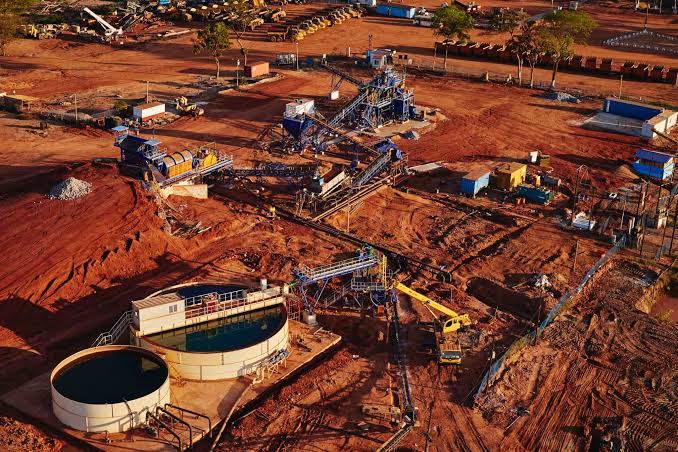
The United States is making a bold play for Africa’s critical minerals, positioning itself at the heart of Mozambique’s vast graphite reserves in a move that underscores a rapidly escalating global power struggle over the future of energy.
Washington, through the U.S. International Development Finance Corporation (DFC), is set to convert a $31 million loan into equity in Syrah Resources, the Australian-listed company behind the massive Balama graphite mine. The deal could hand the U.S. a roughly 20% stake, instantly making it the second-largest shareholder in one of the world’s most strategic mining operations.

But it doesn’t stop there. An additional $15 million is being funneled into Twigg Exploration and Mining Limitada, the local unit running Balama, tightening America’s grip on a resource that is fast becoming as critical as oil once was. This is not just an investment, it’s a statement.

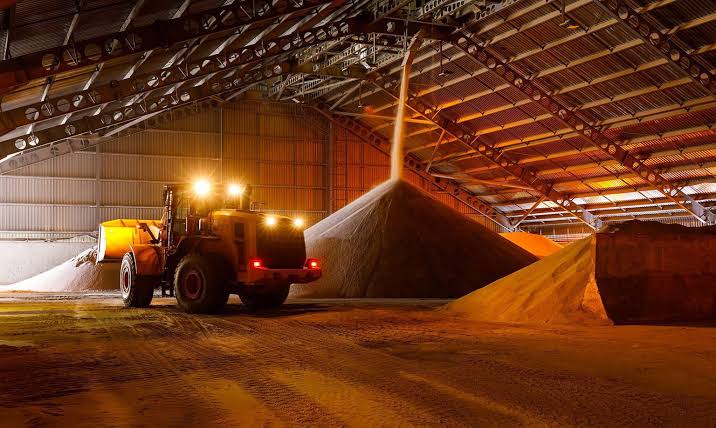
Graphite is a core component in electric vehicle batteries, and control over its supply chain is quickly becoming a geopolitical priority. For years, China has dominated the sector, controlling the majority of global graphite processing capacity. Now, the U.S. is stepping in, determined to break that grip and secure its own industrial future.
“In today’s era of global competition, economic security is national security,” DFC CEO Ben Black said, signaling that this is as much about strategy as it is about profit.
The timing is no coincidence. The move builds on a sweeping U.S-Australia minerals pact signed in 2025, targeting $8.5 billion in projects aimed at locking down supply chains for critical resources. Africa, with its untapped reserves, has become the new frontline.
And Mozambique is right at the center of it.The Balama mine is no ordinary asset. With an estimated 110 million metric tons of graphite ore and a projected lifespan of up to 50 years, it is one of the largest deposits globally, a cornerstone in the race to power the electric future.
But the stakes go beyond minerals.
African nations are no longer content with simply exporting raw resources. Across the continent, governments are rewriting the rules, pushing for higher royalties, local processing, and a bigger share of the profits. The era of extraction without transformation is being challenged.
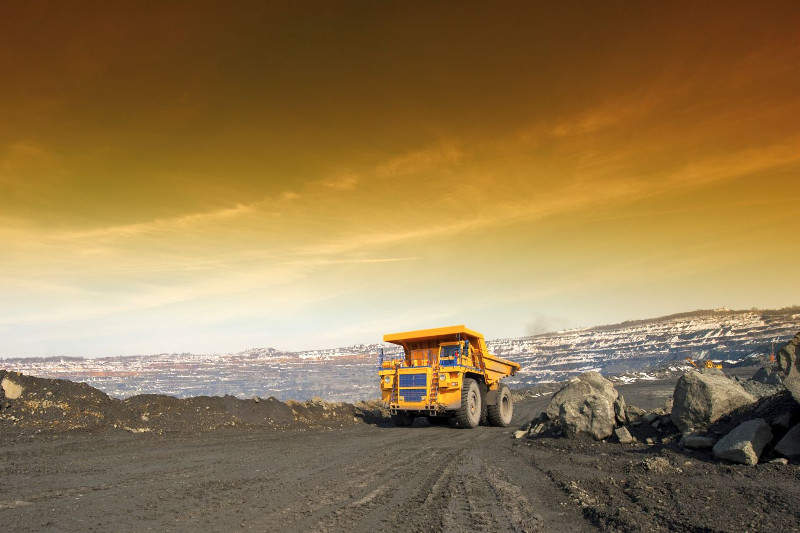
Mozambique itself has walked a tightrope. While welcoming foreign capital, it has also had to contend with instability, particularly in Cabo Delgado, where unrest forced the Balama mine to shut down for eight months following a disputed election. The disruption exposed both the fragility and the strategic importance of such assets.
Now, as global demand for battery minerals surges, the competition is intensifying.
The U.S. entry into Balama signals a shift toward deeper, state-backed involvement in Africa’s resource sector, a space long dominated by Beijing. But it also comes at a time when African countries are asserting more control, determined to ensure that this new resource rush translates into real economic gains at home.
What is unfolding is more than a mining deal. It is a high-stakes contest for influence, resources, and the future of global energy, with Africa once again at the center of it all.
RELATED: