Wayne Lumbasi

The rapid expansion of artificial intelligence-powered surveillance systems across Africa is raising alarm among digital rights advocates, who say the technology is increasingly being used in ways that threaten privacy, freedom of expression, and democratic participation.
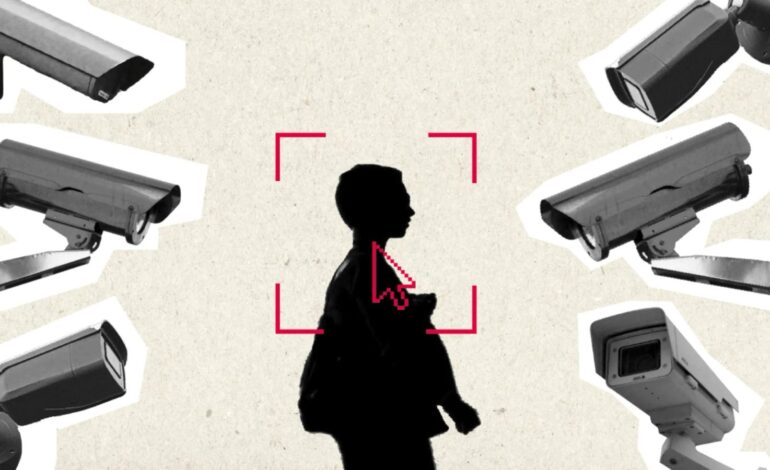
Across the continent, governments are investing heavily in advanced monitoring systems that combine facial recognition, biometric databases, and intelligent camera networks capable of tracking people’s movements in real time. The technologies are often introduced under smart-city initiatives or public security programmes aimed at improving crime detection and urban management.

However, researchers and digital rights groups warn that the growing reliance on AI-enabled surveillance risks creating a powerful infrastructure for monitoring citizens at an unprecedented scale. Experts say such systems can allow authorities to track individuals across cities, identify faces in crowds, and build extensive databases of personal information without sufficient legal safeguards.

A recent study by the Institute of Development Studies together with the African Digital Rights Network found that at least eleven African countries have spent roughly $2 billion on surveillance technologies over the past decade. These systems include high-definition CCTV networks, automatic number-plate recognition tools, and AI software capable of analysing behaviour patterns and identifying individuals.

Countries such as Nigeria, Egypt, Algeria and Uganda have rolled out large-scale monitoring networks in major urban centres. In one of the most extensive deployments, Nigeria has installed thousands of AI-equipped surveillance cameras as part of efforts to modernise urban security systems.

While governments argue the technology is necessary to combat crime, terrorism, and urban disorder, rights advocates say there is limited evidence that large-scale surveillance significantly reduces crime rates. Instead, they warn that such systems could easily be repurposed to monitor political opponents, activists, journalists, or protest movements.

Experts caution that constant monitoring in public spaces may also create a “chilling effect” on civic participation. Citizens who believe they are being watched may be less willing to attend demonstrations, engage in political activism, or express dissenting opinions.
Another major concern is the lack of strong data-protection frameworks across much of the continent. In many countries, laws governing how biometric data and facial recognition information can be collected, stored, and used remain weak or poorly enforced. Without independent oversight, critics say sensitive data could be misused or accessed without clear legal authority.
Researchers also warn that AI surveillance systems can reproduce biases present in the data used to train them. This could lead to inaccurate identification or disproportionate monitoring of certain communities, further raising human rights concerns.
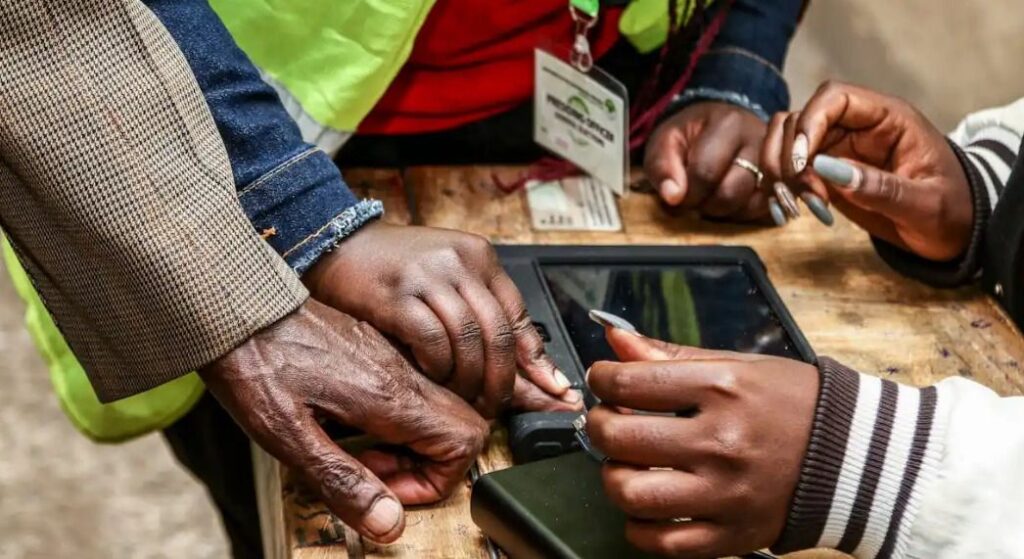
Digital governance specialists say the spread of AI-driven surveillance is part of a broader global trend in which governments adopt powerful data-monitoring technologies faster than regulatory frameworks can keep up. In Africa, where digital infrastructure is expanding rapidly, the challenge of balancing security with civil liberties is becoming increasingly urgent.
Advocates are now calling for stronger safeguards before further expanding AI surveillance systems. These include transparent regulations governing data collection, independent oversight bodies, and human-rights assessments before new technologies are deployed.
As artificial intelligence becomes more deeply embedded in public administration and security systems across Africa, experts say the decisions made today about how these tools are used will shape the future of privacy, democratic freedoms, and digital rights across the continent.
RELATED: