Faith Nyasuguta

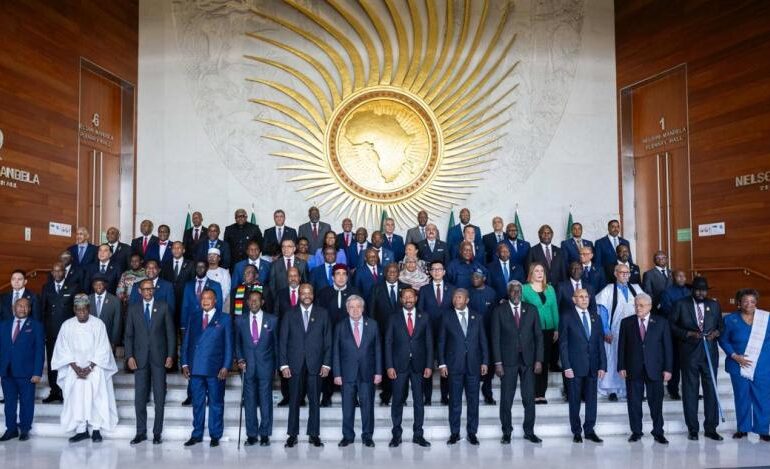
At a two-day summit in Addis Ababa, leaders of the African Union (AU) took a historic step by adopting a resolution that formally characterises slavery, forced deportation and colonialism as genocide and crimes against the peoples of Africa. The landmark decision, agreed by heads of state and government gathered for the AU’s 39th ordinary summit, showcases a renewed continental push to confront the enduring impact of historical injustices and to seek global acknowledgment of these crimes.
The resolution draws on longstanding debates within Africa about the legacies of the transatlantic slave trade, colonial conquest and apartheid – systems that reshaped societies, disrupted social structures and extracted wealth from the continent for centuries. It builds on the AU’s 2025 theme, “Justice for Africans and People of African Descent through Reparations,” which emphasises reparative justice, restitution and acknowledgement of historic wrongs committed against Africans and their diaspora.

In parallel with the resolution, AU member states agreed to designate November 30 as the “African Day of Tribute to African Martyrs and Victims of the Transatlantic Slave Trade, Colonialism and Apartheid.” This annual commemoration is intended to honour individuals and communities who suffered under these systems and to encourage education, reflection and remembrance across generations.

The resolution was introduced by some AU members, reflecting collaborative efforts that include the Republic of Togo and build on discussions held during international forums such as the Algiers Declaration adopted in late 2025, which highlighted the need to criminalise colonial-era injustices and document their long-term impacts across legal, economic and cultural domains.

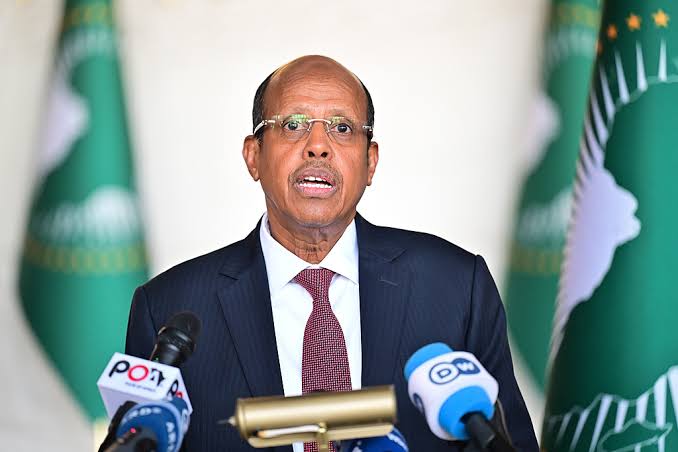
In his remarks, AU Commission Chairperson Mahmoud Ali Youssouf expressed solidarity with global struggles against oppression, including calls to end what he described as the “extermination” of the Palestinian people. The inclusion of this stance signals the AU’s broader engagement with issues of sovereignty, human rights and collective liberation on the international stage.
The resolution also commits member states to maintaining the issue under review and working collaboratively to seek international recognition of slavery and colonialism as crimes against humanity. While the declaration does not directly prescribe reparations, it reinforces ongoing continental advocacy aimed at legal and moral accountability, historical acknowledgement and policy change.

Observers note that adopting genocide classification carries symbolic weight and may shape future diplomatic, legal and educational initiatives. It aligns with wider efforts by African institutions, civil society and diaspora movements to deepen understanding of historical injustices and to pursue justice frameworks that reflect Africa’s collective experiences.

This resolution is part of a broader continental narrative seeking to honour the past while laying foundations for a future grounded in dignity, justice and shared historical memory.
RELATED: