Faith Nyasuguta

South Sudan has postponed its national elections yet again, pushing the long-awaited presidential and parliamentary vote from December 22, 2026, to February 11, 2027.
For a country that gained independence in 2011, the announcement represents another frustrating chapter in a political transition that appears to have no end. Fifteen years after becoming the world’s youngest nation, South Sudan has still not held a national election under its independence-era government. And once again, its citizens are being asked to wait.

The National Elections Commission announced the revised timetable on November 14, with spokesperson Josephine Achiro Fortelo confirming that the decision followed consultations with stakeholders.

The commission said additional time was needed to complete preparations, including voter registration, establishing registration centres and distributing election materials. But the bigger question remains: How many extensions does a government need before democracy finally arrives?

A History of Broken Election Promises
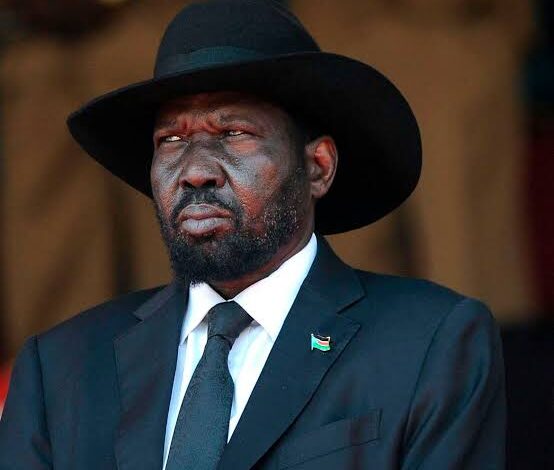
South Sudan’s electoral delays did not begin in 2026. They stretch back more than a decade, repeatedly extending the country’s political transition and keeping President Salva Kiir in power.

2015: Elections initially anticipated under the country’s transitional constitution were derailed by the civil war that erupted in December 2013. Parliament extended the government’s mandate to 2018.
2018: With the country still struggling to emerge from conflict, lawmakers extended Kiir’s presidential term to 2021. A revitalised peace agreement subsequently established another transitional framework.
2020: The transition was extended again, with elections eventually expected in 2022.
2022: Political leaders postponed the anticipated elections until December 2024, arguing that crucial provisions of the peace agreement remained unimplemented.
2024: Elections were delayed by another two years, moving the vote to December 2026. Authorities cited unfinished constitutional reforms, electoral preparations and security arrangements.
2026: Just weeks before the December vote, the electoral commission announced another postponement, this time to February 11, 2027.
The pattern is difficult to ignore. Every approaching deadline seems to produce another explanation, another extension and another promise that elections will eventually happen. Meanwhile, the political leadership remains largely unchanged.
Fifteen Years of Independence, But No National Election
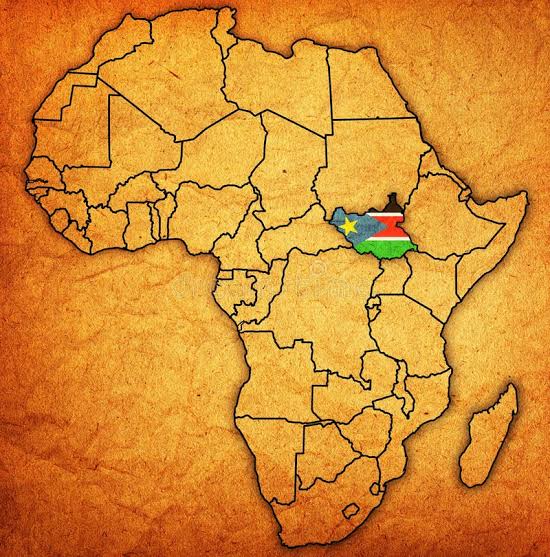
South Sudan became independent from Sudan on July 9, 2011, following decades of conflict and an overwhelming referendum in favour of separation. Independence brought enormous expectations. Citizens hoped for peace, representative government and an opportunity to determine their political future.
Instead, the country descended into civil war in 2013, with fighting between forces loyal to President Kiir and his rival, Riek Machar. The conflict killed hundreds of thousands and displaced millions.
A 2018 peace agreement offered renewed hope, establishing a framework for power-sharing, political reforms and eventual elections. Yet eight years later, the promised democratic transition remains unfinished.
Can South Sudan Even Hold Credible Elections?
The repeated delays are not the country’s only problem. In September 2026, the United Nations Commission on Human Rights in South Sudan warned that the country lacked the necessary safeguards and conditions for peaceful, credible elections.
Political instability, recurring violence, inadequate electoral preparations and unresolved disagreements continue to threaten the process. These concerns cannot simply be dismissed.
Holding elections without adequate security and institutional safeguards could deepen existing tensions. But repeatedly postponing elections also carries serious consequences.
It weakens public confidence, prolongs unelected transitional arrangements and raises questions about whether political leaders are genuinely committed to relinquishing power through the ballot box.
How Long Must South Sudanese Wait?
South Sudan’s leaders have repeatedly justified extensions as necessary for peace and stability. Yet stability cannot become a permanent justification for denying citizens an opportunity to choose their government.
The February 2027 date now presents another test of political credibility. Will authorities finally complete voter registration, establish the necessary safeguards and deliver a credible election? Or will February simply become another deadline that disappears from the calendar?
For South Sudanese citizens, the issue extends beyond election dates. It concerns political accountability, democratic legitimacy and the promises made when their country gained independence.
Fifteen years after independence, South Sudan is still waiting for its first national elections. How many more postponements will its citizens be expected to accept before they finally get to choose their leaders?
RELATED: