Faith Nyasuguta

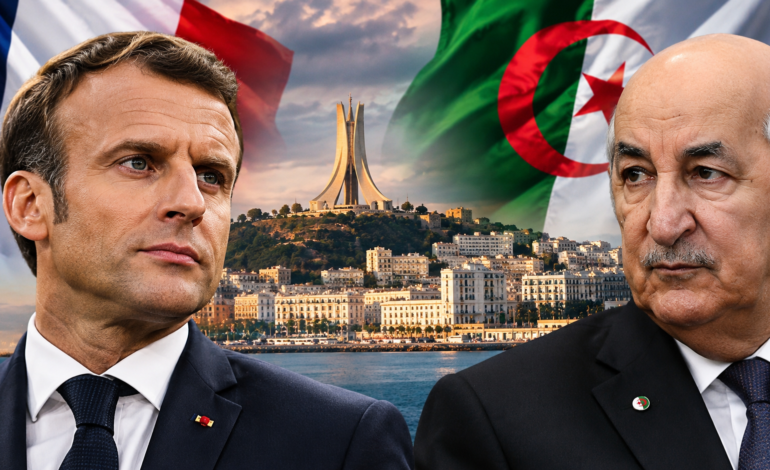
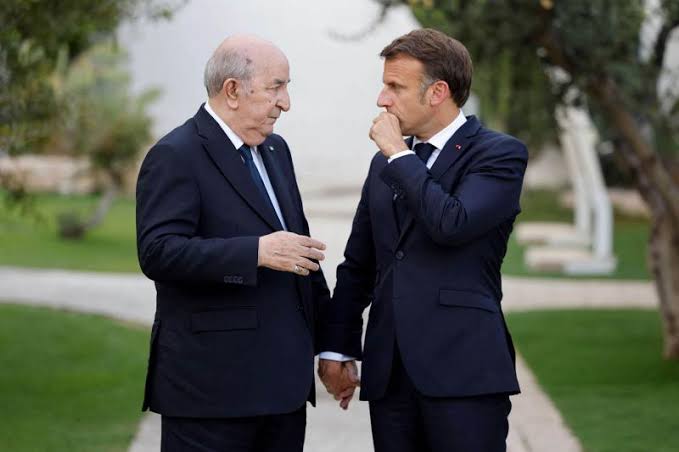
French President Emmanuel Macron has reportedly made a discreet diplomatic move to repair relations with Algeria, sending a senior adviser to the North African nation as Paris struggles to preserve its influence across a continent increasingly willing to challenge the former colonial power.
The unannounced visit, reportedly conducted in early November 2026, signals France’s determination to reopen communication with Algerian President Abdelmadjid Tebboune after years of diplomatic tensions.

But the significance goes beyond repairing relations between two governments.

France is attempting to reconnect with one of Africa’s strongest military powers at a time when its traditional influence across the continent is facing unprecedented resistance.

Macron’s Quiet Mission to Algiers
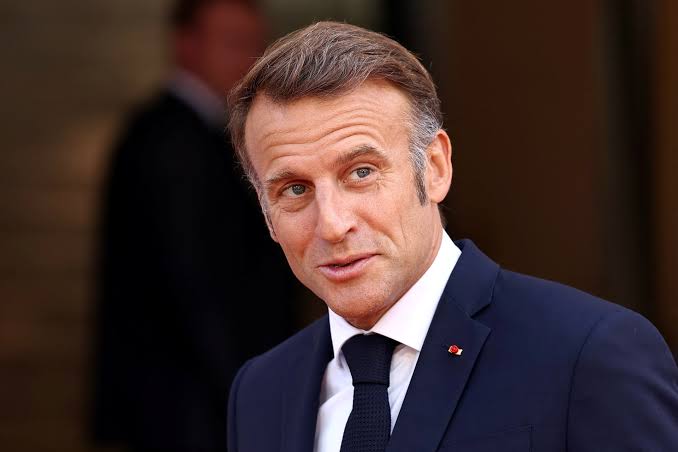
According to Africa Intelligence, as cited by La Nouvelle Tribune, Macron dispatched a diplomatic adviser to Algiers without publicly announcing the visit. The reported mission sought to restore direct communication with Tebboune and explore possibilities for improving relations between the two countries.

Neither the precise agenda nor the outcome of the discussions has been publicly detailed in the reporting provided.
The discreet approach suggests Paris is pursuing a cautious diplomatic strategy, avoiding the publicity that could complicate an already sensitive relationship.The reported visit followed a symbolic exchange between the two presidents.
On November 3, Algeria’s presidency confirmed that Tebboune had received congratulatory wishes from Macron marking the anniversary of the November 1, 1954 revolution against French colonial rule.
The gesture carried historical significance, considering that Algeria’s independence struggle remains central to its national identity and relationship with France.
How France Lost Algeria’s Trust
Relations between Paris and Algiers deteriorated sharply in July 2024 when France endorsed Morocco’s autonomy proposal for Western Sahara. The decision angered Algeria, which supports the Sahrawi people’s right to self-determination and backs the Polisario Front.
Western Sahara remains one of North Africa’s most contentious territorial disputes, with Morocco claiming sovereignty over the territory. France’s position was therefore interpreted by Algeria as support for its regional rival.
The disagreement intensified an already complicated relationship shaped by colonial history, migration, security cooperation and competing regional interests.
France ruled Algeria for 132 years before the country gained independence in 1962 following a bloody liberation struggle. More than six decades later, that history continues to influence diplomatic relations.
For Algeria, relations with France are not simply about trade or diplomacy. They also involve sovereignty, historical memory and resistance to external pressure.
Why Algeria Matters to France
Algeria is not an African country Paris can easily overlook. According to the 2026 Global Firepower rankings cited in the report, Algeria possesses Africa’s second-highest-ranked conventional military capability, behind Egypt.
Its military strength, strategic Mediterranean coastline and position in North Africa make it an important regional power. Algeria is also a significant energy producer, supplying natural gas to European markets.
Its geographical position connects the Mediterranean, the Sahara and the wider Sahel, giving it considerable importance in regional security discussions.
For France, rebuilding relations with Algeria could help restore diplomatic cooperation in a region where Paris has experienced significant setbacks. However, military rankings alone do not explain Algeria’s importance. Its independent foreign policy and regional diplomatic influence also make it a valuable partner.
France’s Shrinking African Footprint
Macron’s reported outreach comes against the backdrop of France’s declining military and political presence across parts of Africa.
In recent years, governments in Mali, Burkina Faso and Niger have ended longstanding military arrangements with Paris, while other African countries have reconsidered their security relationships with France.
The developments have challenged a model of French influence built around defence cooperation, diplomatic relationships and historical ties.
Russia, China, Türkiye and other international powers have simultaneously expanded their engagement across Africa, offering governments additional economic and security partnerships. But Algeria’s relationship with France is distinct from developments in the Sahel.
Algiers has long pursued an independent foreign policy and maintains its own strategic priorities.The challenge for Paris is no longer simply maintaining influence. It is convincing African governments that cooperation with France can operate on terms they consider equal and mutually beneficial.
Can Macron Repair the Relationship?
The reported November mission was not France’s first attempt to reopen diplomatic channels. In May 2026, French Ambassador Stéphane Romatet reportedly returned to Algiers, while French minister Alice Rufo delivered a written message from Macron to Tebboune. These developments suggested that both governments were exploring opportunities to reduce tensions.
Nevertheless, diplomatic gestures do not automatically resolve disagreements over Western Sahara, colonial history or regional security. The outcome of Macron’s latest reported initiative remains unclear. For Algeria, any improvement in relations will likely depend on whether France demonstrates respect for its sovereignty and strategic interests. For Macron, the stakes extend beyond one bilateral relationship.
As France’s influence faces growing challenges across Africa, its quiet return to the negotiating table in Algiers sparks a question:Is France finally accepting a new relationship with Africa based on equal partnership, or is Macron simply trying to recover the influence Paris has lost?
RELATED: