Faith Nyasuguta
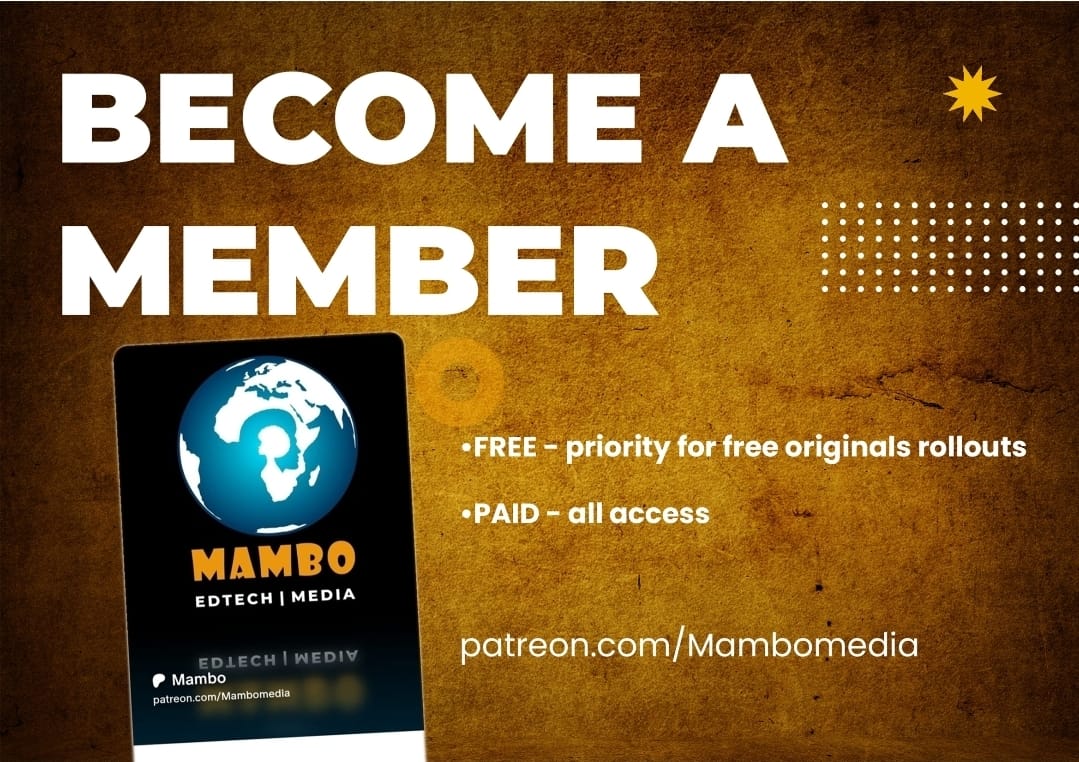
The United States has moved to remove South Africa from the African Growth and Opportunity Act (AGOA), threatening to end preferential duty-free access for thousands of eligible products from January 1, 2027.
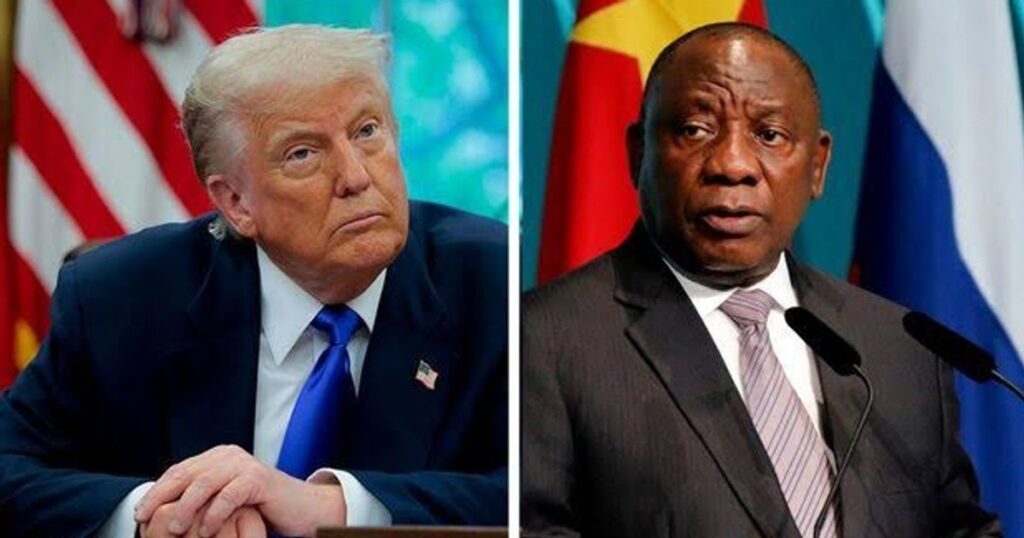
US Trade Representative Jamieson Greer announced that President Donald Trump had notified Congress and the governments of South Africa and Rwanda of his intention to terminate their eligibility.

Washington alleges that both countries have engaged in practices inconsistent with AGOA requirements. For South Africa, the Trump administration cited trade and investment barriers, corruption and concerns involving American national security and foreign policy interests.

Rwanda faces additional allegations concerning human rights, political pluralism, workers’ rights and the rule of law. However, the proposed withdrawal also raises a fundamental question. How much economic leverage should Washington hold over African countries through preferential trade agreements?
South Africa Could Lose Billions in Trade Advantages
South Africa has historically been AGOA’s largest beneficiary, accounting for approximately 54% of exports under the programme over the past 25 years. In 2025, South African exports benefiting from AGOA reportedly reached $1.7 billion, including motor vehicles, automotive components and agricultural products.
The potential withdrawal threatens businesses that depend on preferential access to the American market. Exporters could face higher tariffs, reduced competitiveness and pressure on employment. But the economic picture is more complicated than the headline suggests.
According to South Africa’s government, approximately 89% of its exports to the United States entered under ordinary World Trade Organization tariff arrangements in 2025. Only around 10% benefited from AGOA, compared with 28% in 2024. AGOA-supported exports also represented approximately 1% of South Africa’s total global exports.
Losing AGOA would hurt specific industries, but it would not mean South Africa loses access to the American market altogether.
Pretoria Pushes Back Against Washington
South Africa’s government has expressed concern over the proposed withdrawal while insisting that its broader economic relationship with the United States remains important. Trade Minister Parks Tau said Pretoria had made extensive efforts to address American concerns, including additional concessions during negotiations.The government described Washington’s introduction of new issues outside earlier negotiations as unfortunate.
Pretoria maintains that any trade concessions must respect its constitutional requirements, biosecurity protections and international trade obligations. It has also pledged to support affected exporters and workers while protecting national economic interests.
The response signals South Africa’s determination to continue negotiations without abandoning its domestic policy priorities.
America Also Has Economic Interests at Stake
The trade relationship is far from one-sided. Bilateral trade reportedly reached $28.8 billion in 2025. More than 600 American companies operate in South Africa, supporting approximately 134,600 jobs.
South Africa also supplies 12 minerals classified as critical by the United States and plays an important role in supplying certain medical isotopes. American manufacturers benefit from South African supply chains, while South African industries purchase US inputs.
Consequently, any deterioration in commercial relations could create challenges for businesses on both sides. The dispute illustrates how trade preferences increasingly intersect with geopolitical interests.
Is Africa Too Dependent on Western Trade Preferences?
For South Africa, the potential AGOA withdrawal strengthens the argument for diversifying export destinations. Pretoria plans to accelerate trade expansion through the African Continental Free Trade Area, alongside opportunities in India, China, the European Union, the United Kingdom and other markets.
The government says it has already secured additional market access for agricultural products, including citrus, avocados, grapes and apples. But diversification requires more than signing trade agreements.
African countries must expand manufacturing, improve infrastructure, strengthen regional supply chains and increase the value of products exported abroad. Otherwise, dependence on individual foreign markets will remain a persistent vulnerability.
A Trade Dispute With Bigger Implications for Africa
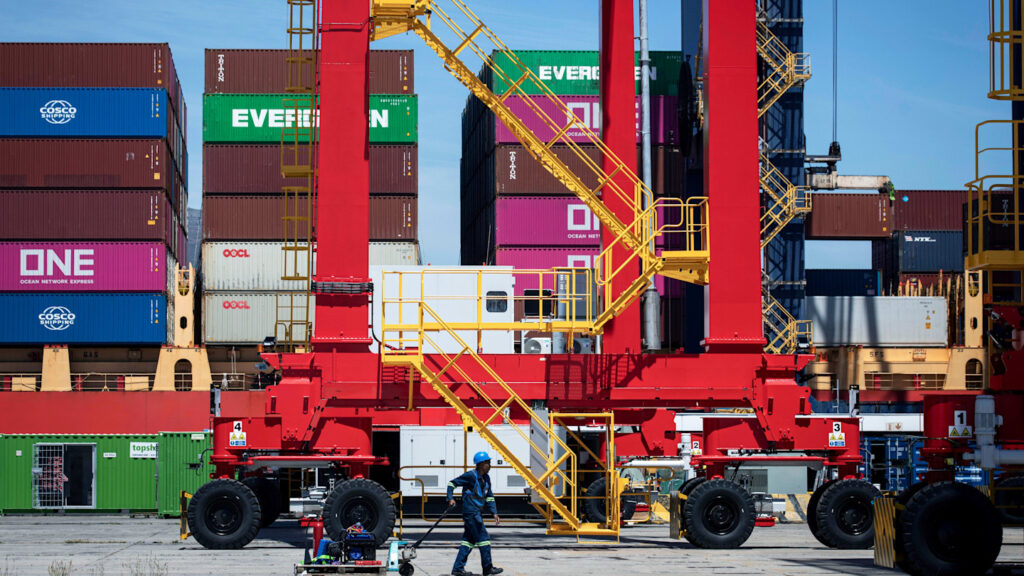
AGOA was designed to strengthen commercial relations between the United States and eligible African economies. Yet eligibility remains dependent on Washington’s assessment of participating countries. South Africa’s experience highlights the uncertainty that can accompany preferential trade arrangements.
For affected workers and businesses, the immediate concern is protecting jobs and maintaining competitiveness. For Africa, the broader challenge is building economies resilient enough to withstand changing foreign trade policies.
If access to major markets can be withdrawn following political and economic disagreements, should African countries accelerate efforts to trade more with one another?
RELATED: