
Wayne Lumbasi

Morocco has announced a major shift in its football hosting strategy, revealing that it will no longer bid to host African football competitions organized by the Confederation of African Football (CAF).
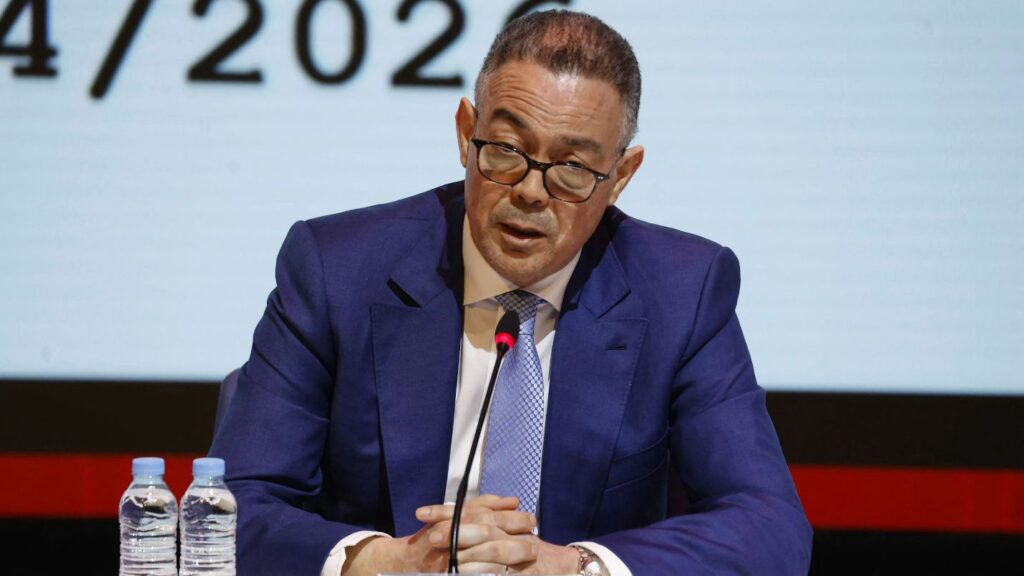
The announcement was made by Fouzi Lekjaa, president of the Royal Moroccan Football Federation (FRMF), during a recent interview in which he stated that Morocco would no longer submit bids for CAF tournaments, regardless of the competition. He added that Morocco would instead support other African nations interested in hosting continental events.

According to Lekjaa, Morocco has spent years stepping in to host tournaments when other countries faced challenges in organizing them. He said the country now believes it is time for more African nations to take on that responsibility while Morocco focuses on different priorities.

The decision follows Morocco’s hosting of the 2025 Africa Cup of Nations, one of the biggest sporting events ever staged in the country. The tournament showcased Morocco’s modern stadiums, transport infrastructure, and organizational capabilities, attracting widespread international attention.

In recent years, Morocco has emerged as one of Africa’s leading hosts of major football events. The country has organized multiple editions of the Women’s Africa Cup of Nations, the African Nations Championship (CHAN), and the FIFA Club World Cup. It is also scheduled to host the 2026 Women’s Africa Cup of Nations.
Morocco’s decision reflects its broader ambition to establish itself as a global sporting hub. The country has invested heavily in upgrading stadiums, expanding transportation networks, and improving sports infrastructure as it prepares to co-host the 2030 FIFA World Cup alongside Spain and Portugal.

However, the move has also sparked debate within African football. Morocco has become one of the continent’s most reliable hosts for major tournaments, often stepping in when other countries were unable to meet organizational requirements. Its decision to stop bidding for CAF competitions could reduce the number of experienced hosts available for continental events and place additional pressure on other nations to organize major tournaments.
The decision may also raise questions about the future of African football hosting. With Morocco shifting its attention to global competitions, CAF could face greater challenges in finding countries with the infrastructure, financial resources, and organizational experience needed to host major continental tournaments.
Despite stepping away from future CAF hosting races, Morocco is expected to remain an influential force in African football through its investments, development programs, and support for continental competitions. However, its focus is increasingly shifting toward attracting global tournaments and strengthening its presence in international sport.
The move signals a new chapter in Morocco’s football ambitions, one centered on global visibility, international prestige, and the pursuit of world-class sporting events.
RELATED: