Wayne Lumbasi

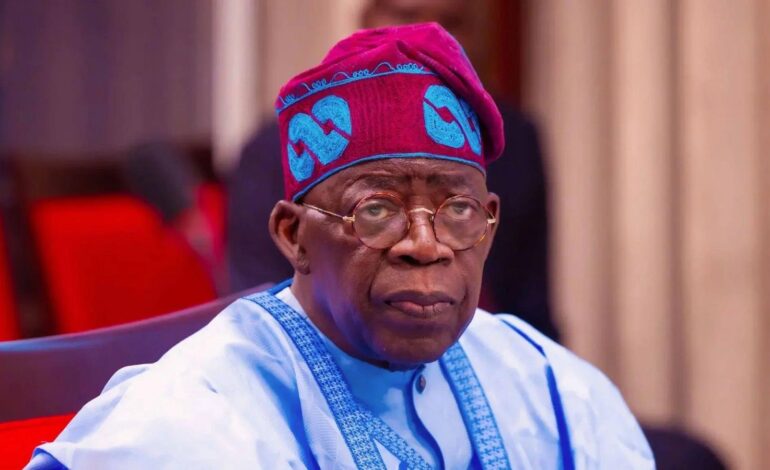
Nigeria’s National Assembly has approved an expanded $49.4 billion national budget for 2026, one of the largest spending plans in the country’s history. The revised budget increases the government’s original proposal and reflects the administration’s commitment to accelerate economic reforms, strengthen infrastructure development, and address key fiscal obligations under President Bola Ahmed Tinubu.
The increase in the spending plan follows a request by the presidency to accommodate additional financial commitments, including the continuation of major infrastructure projects and increased funding for strategic sectors of the economy. Lawmakers endorsed the expanded budget after reviewing fiscal priorities aimed at sustaining economic recovery and promoting long-term development.

A significant portion of the $49.4 billion budget will be directed toward infrastructure development, with major investments expected in transportation networks, energy systems, healthcare services, and education. The government believes that expanding capital investment will help stimulate economic activity, improve productivity, and support job creation across the country.

Debt servicing remains one of the largest components of government expenditure. Nigeria continues to allocate a substantial share of its annual budget toward meeting existing debt obligations as the country balances development spending with fiscal responsibility.

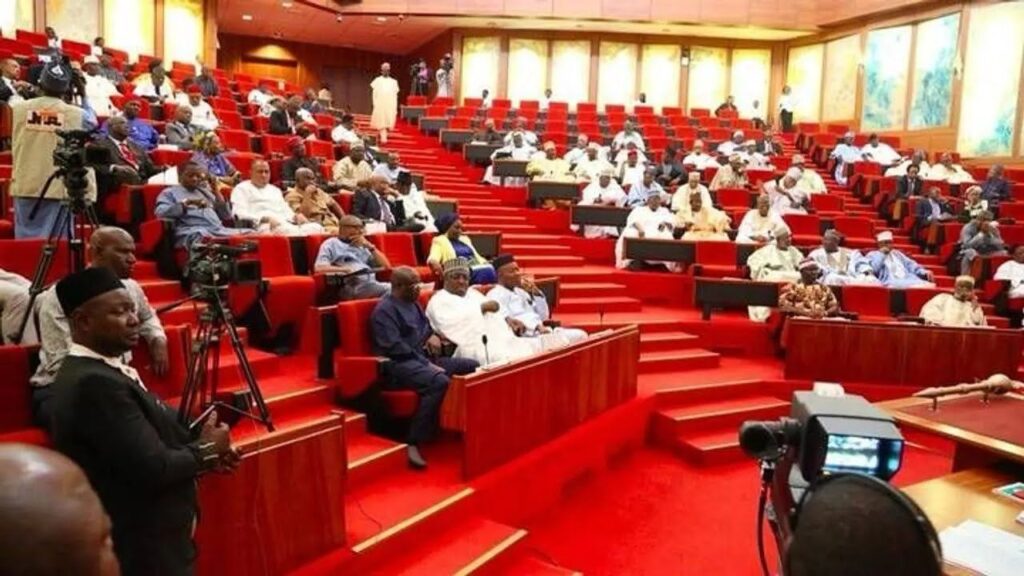
Government revenue for 2026 is projected to reach roughly $24 billion, while total spending will stand at about $49.4 billion, creating a sizable fiscal deficit that will be financed through a combination of domestic borrowing and external loans. As part of its financing strategy, lawmakers also approved plans to secure additional external funding to support development projects and stabilize public finances.
The 2026 budget is built on several key economic assumptions. These include an oil benchmark price of about $64 per barrel, daily oil production of approximately 1.8 million barrels, and projected economic growth of around 4.6 percent. These projections highlight Nigeria’s continued reliance on oil revenue while also emphasizing efforts to expand non-oil revenue sources.

Since taking office, President Tinubu has introduced a series of economic reforms aimed at stabilizing Africa’s largest economy. Key measures have included the removal of long-standing fuel subsidies, adjustments to the national currency, and policies designed to improve tax collection and fiscal discipline.
Government officials say the expanded $49.4 billion budget will help consolidate these reforms while accelerating infrastructure development and economic diversification.
With the approval of the 2026 fiscal plan, Nigeria is expected to intensify its efforts to strengthen economic stability, expand investment in key sectors, and position the country for sustained growth in the coming years.
RELATED: