Faith Nyasuguta
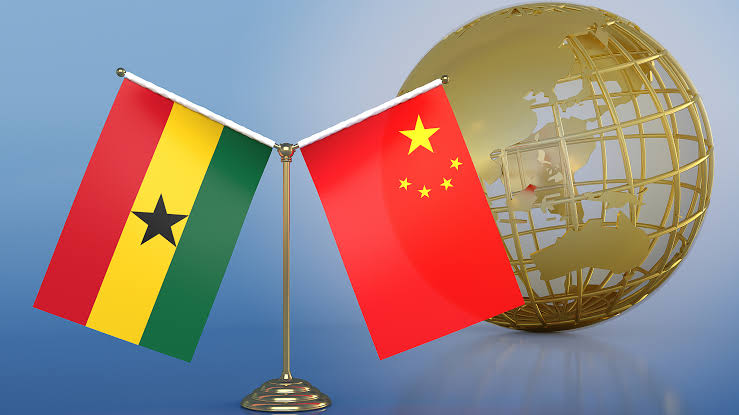
Ghana has unveiled plans to introduce the Chinese language into basic schools nationwide, a major shift in foreign language education designed to expand global skills and deepen cultural exchange. The initiative was developed by the National Council for Curriculum and Assessment (NaCCA) and will be rolled out across basic, junior high and senior high levels, equipping students with Chinese language proficiency as part of a forward-looking curriculum.
The decision reflects Ghana’s broader strategy to prepare learners for an increasingly interconnected world. Officials say the new language offering is meant to strengthen students’ ability to engage with international partners, particularly China, which has become a significant economic and diplomatic partner for Ghana.

At a ceremony marking the 10th anniversary of the Confucius Institute at the University of Cape Coast, NaCCA leaders described the curriculum as a watershed moment for Ghana’s education system. They said teaching Chinese goes beyond language acquisition to include cultural intelligence, which is becoming essential for students’ future competitiveness in trade, technology, diplomacy and global affairs.

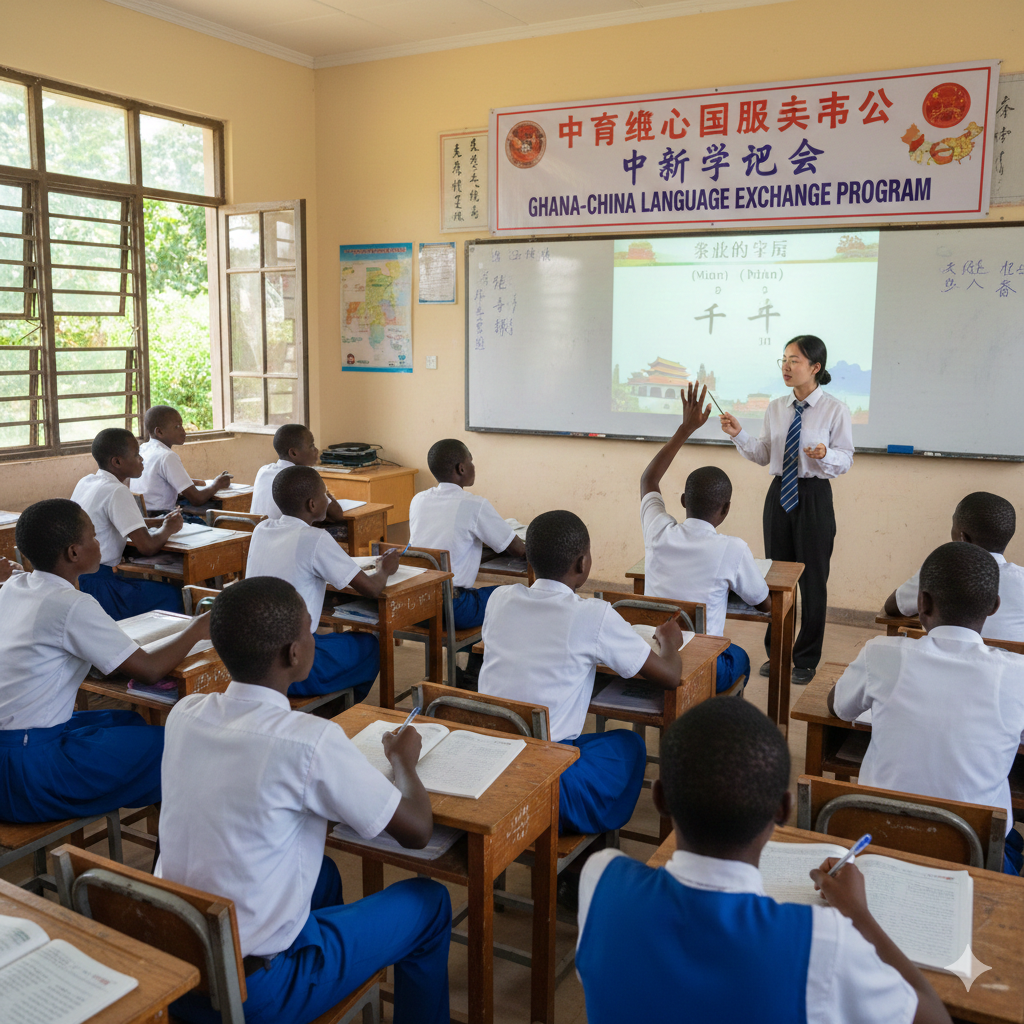
The curriculum was developed in collaboration with language experts and stakeholders to ensure it is competency-based, contextually relevant and aligned with global standards, including benchmarks like the Hanyu Shuiping Kaoshi (HSK) proficiency levels. Officials emphasised that the focus will be on communicative and functional literacy rather than rote memorisation, helping learners use the language in real-world situations.

Education leaders argue that literacy in additional languages equips young Ghanaians with an edge in the global job market, especially as trade and diplomatic ties with China expand. China’s influence in areas like infrastructure, investment and technology has grown over recent years, making Mandarin proficiency a valuable asset for future generations.
The move also builds on existing language education efforts. Ghana earlier integrated Chinese as an elective in some secondary schools, supported by partnerships with Confucius Institutes that have already trained thousands of students in Mandarin and Chinese culture. These initiatives have helped spark growing enthusiasm for the language among learners and educators alike.

However, the introduction of Chinese into the national curriculum comes at a time when Ghana is also strengthening instruction in local languages. Policies recently made mother-tongue education compulsory in all basic schools aim to improve foundational learning outcomes by teaching children in languages they speak at home. Officials say balancing local language instruction with additional foreign language offerings will be key to enriching education without undermining Ghanaian linguistic heritage.
Supporters of the Chinese language initiative say it reflects a practical response to global realities, pointing to the rising demand for Mandarin speakers in business, diplomacy and technology sectors. Critics, on the other hand, argue that Ghana must ensure local linguistic and cultural priorities are not sidelined in the rush to adopt foreign languages. They stress that strengthening mother-tongue instruction remains essential for cognitive development and cultural identity.
The rollout of the Chinese language curriculum is expected to begin early this year, with professional development and teacher training underway to ensure readiness. Stakeholders emphasise that the success of the programme will depend on quality teaching materials, trained instructors and sustained investment in language education infrastructure.
By broadening its language offerings, Ghana joins a growing number of countries recognising the value of multilingual education in a globalised economy. As the curriculum takes effect, it could open doors for future generations in international trade, cultural exchange and diplomatic engagement.
RELATED: