Wayne Lumbasi

Nigeria’s state oil company is in talks with a Chinese firm as part of a renewed effort to revive the country’s long-struggling refineries, signaling a shift in strategy after decades of failed rehabilitation attempts in the downstream oil sector.
The discussions focus on bringing in a Chinese petrochemical operator with experience in refinery operations to help restore at least one of Nigeria’s idle facilities. The engagement includes technical assessments and site inspections that could lay the groundwork for a partnership aimed at restarting domestic fuel production and reducing reliance on imports.

Nigeria’s refineries in Port Harcourt, Warri and Kaduna have for years operated far below capacity or remained completely dormant, despite repeated repair programmes. Persistent mechanical failures, weak maintenance practices and commercial inefficiencies have left Africa’s largest crude producer heavily dependent on imported petrol, diesel and aviation fuel, draining foreign exchange reserves and exposing the economy to global price swings.


Offshore Oil Production In Nigeria’s Agbami Deepwater Oilfield /NG/
This latest effort reflects a departure from earlier approaches that relied largely on state-funded repairs and short-term engineering contracts. The new model prioritises equity-based partnerships, allowing experienced operators to take ownership stakes and assume responsibility for long-term operations. The aim is to introduce commercial discipline, improve efficiency and ensure the refineries are run as viable businesses rather than loss-making public utilities.

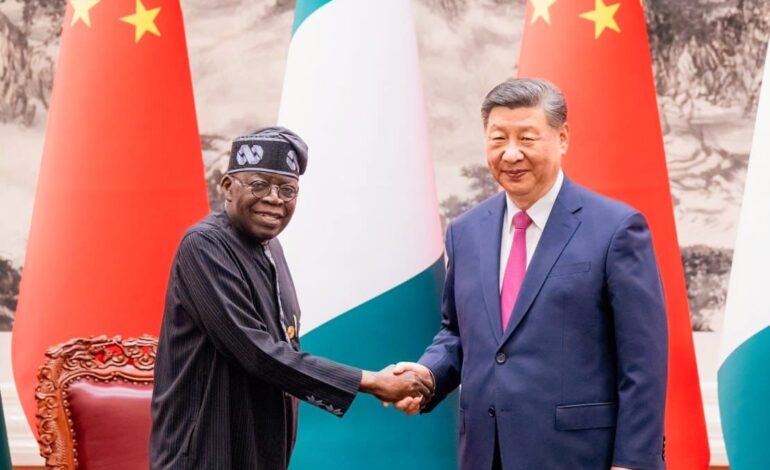
The potential involvement of a Chinese company highlights the expanding role of Chinese firms in Africa’s industrial and energy sectors. With extensive experience in building and operating large-scale petrochemical facilities, Chinese operators are seen as capable of delivering both technical expertise and capital, while also transferring operational skills to local workforces.
The refinery talks come at a time of broader change in Nigeria’s energy landscape. The start-up of the privately owned Dangote Refinery has begun to ease fuel supply pressures, but the restoration of state-owned refineries remains central to strengthening energy security, supporting local industries and stabilising fuel availability across the country.

Reviving domestic refining capacity would also allow Nigeria to capture more value from its crude oil, reduce exposure to external supply disruptions and support job creation across the energy value chain. For years, the failure to make state refineries work has stood as a symbol of deeper structural challenges in the oil sector.
RELATED: