Wayne Lumbasi
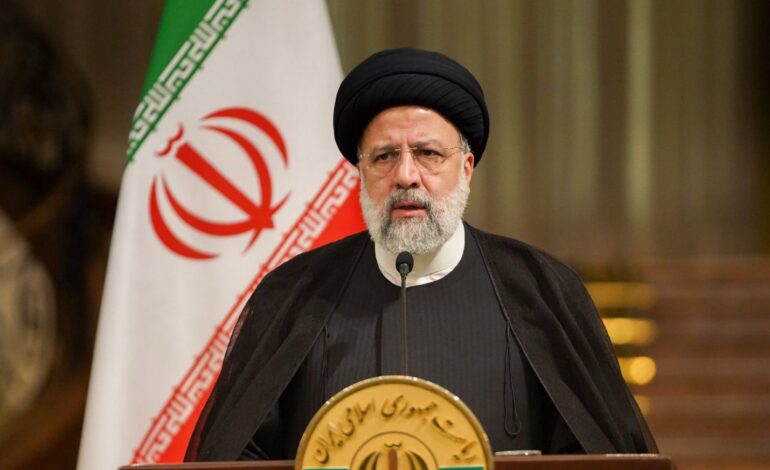
Iran has formally designated the armed forces of European Union member states as “terrorist groups”, sharply escalating an already tense standoff with Europe following the EU’s decision to blacklist Iran’s Islamic Revolutionary Guard Corps (IRGC). The move marks one of the most serious diplomatic confrontations between Iran and European governments in recent years.
The decision was approved during a session of Iran’s parliament after the European Union added the IRGC to its terrorist list, citing the force’s involvement in suppressing nationwide protests, alleged human rights violations and its role in regional military operations. Iran’s parliamentary speaker, Mohammad Bagher Ghalibaf, said the measure was taken under national legislation that requires reciprocal action when Iran’s military or security institutions are designated as terrorist organisations by foreign powers.

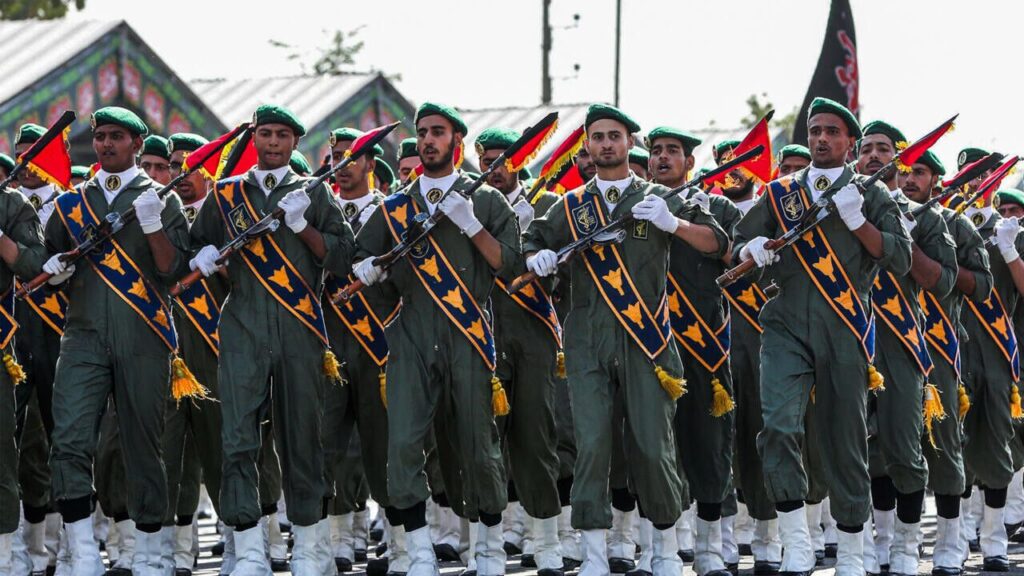
Iranian lawmakers overwhelmingly supported the declaration, framing it as a defence of national sovereignty and a response to what they described as politically motivated hostility from Europe. During the parliamentary session, several legislators wore IRGC uniforms in a symbolic display of support, highlighting the organisation’s central position within Iran’s political and security system. The IRGC answers directly to Supreme Leader Ayatollah Ali Khamenei and wields significant influence over Iran’s armed forces, economy and foreign policy activities.

Iran has strongly rejected the European Union’s justification for the IRGC designation, accusing countries such as Germany, France, Italy and the Netherlands of abandoning diplomatic engagement and aligning themselves with external pressure. Iranian officials argue that the EU’s move undermines international norms by targeting a state military institution and risks setting a precedent that could destabilise global security relations.

European governments have dismissed Iran’s designation of EU armies as lacking legal standing under international law. Germany described the move as unjustified and inflammatory, while France and Spain reaffirmed their support for the EU’s decision, stating that the IRGC listing was driven by concerns over repression, accountability and regional security. Other EU members, including Sweden and Belgium, echoed similar positions, stressing that the action was not directed at Iran’s population but at specific conduct attributed to the IRGC.
The United States has openly welcomed the EU’s decision, aligning it with long-standing United States policy. The United States designated the IRGC as a terrorist organisation in 2019 and has repeatedly accused the force of supporting armed groups across the Middle East and targeting United States personnel and allies. Iran has accused the United States of encouraging European governments to take a more confrontational stance, arguing that the latest developments reflect coordinated Western pressure rather than independent European policy decisions.

While Iran’s designation of EU armies is largely symbolic and unlikely to result in immediate military consequences, it further deepens diplomatic rifts at a time of heightened regional tension. The reciprocal measures complicate already fragile relations between Iran and Europe and add to broader disputes involving sanctions, security and influence in the Middle East.
RELATED: