Faith Nyasuguta

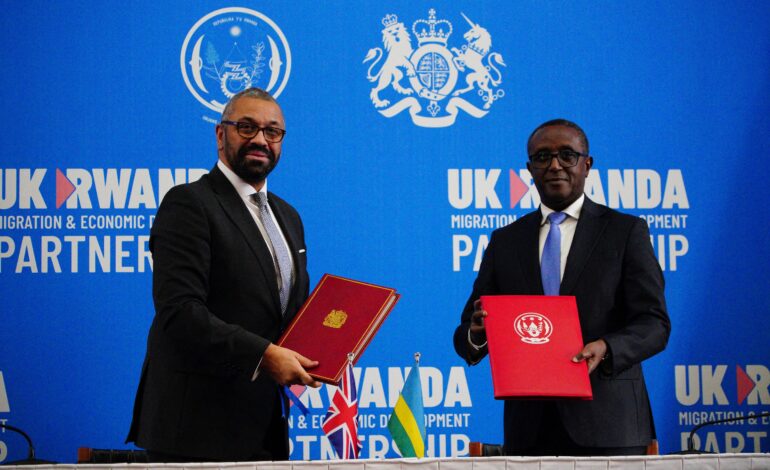
Rwanda has taken the United Kingdom to the Permanent Court of Arbitration in The Hague, claiming London owes more than $130 million after scrapping a controversial asylum partnership deal signed in 2022. Under the pact, Britain agreed to pay Kigali to host asylum seekers who reached the UK illegally – but the plan was abandoned by Prime Minister Keir Starmer shortly after he took office in 2024. Rwanda says the UK breached the treaty by failing to formally terminate it and refusing to honour payments due under the agreement.
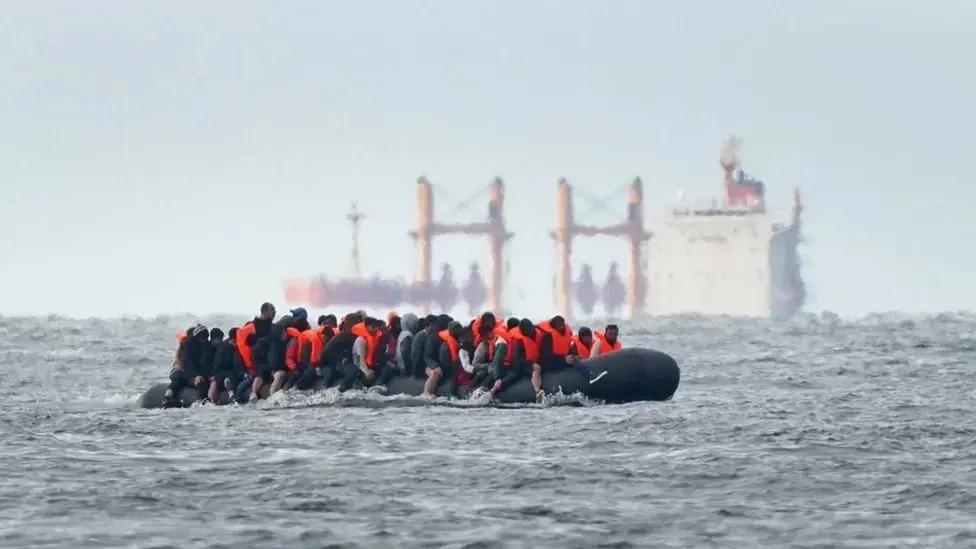
The migration partnership, negotiated by the previous UK government, was intended to deter dangerous Channel crossings by relocating some asylum seekers to Rwanda, where their claims would be processed. Only a handful of volunteers were ever sent before the policy stalled amid repeated legal challenges in UK courts, including a Supreme Court ruling that certain aspects of the plan would breach domestic and international law.

Rwanda’s arbitration filing states that London requested Kigali to forgo two scheduled payments – £50 million each due in April 2025 and April 2026 – on the assumption that the treaty would soon be formally ended. But Kigali says it only agreed to consider waiving payments if formal termination and new financial terms were agreed. As no such negotiations occurred, Rwanda insists the amounts are still “due and payable” under the original treaty.

In addition to financial claims, Rwanda also accuses the UK of reneging on commitments to arrange resettlement for vulnerable refugees already hosted in Rwanda, a provision included in the pact. Kigali’s legal case contends that London’s refusal to discuss the treaty’s termination or honour its obligations left it with no option but to seek legal redress.

Britain’s decision to abandon the scheme was echoed by Starmer when he described it as “dead and buried,” saying it failed to act as a deterrent to illegal migration and represented poor use of taxpayer funds. The UK government has made clear it will defend its position robustly to protect British taxpayers, arguing that the agreement was flawed and ineffective.
The dispute has added strain to diplomatic relations between the two countries, particularly after the UK suspended some aid to Rwanda amid allegations about Kigali’s role in regional conflicts – accusations Rwanda has denied.

Financial details vary in reports, with some citing that the UK had already paid at least £240 million (about $330 million) before the deal was scrapped, and the Rwandan claim focusing on at least £100 million (about $130 million) still owed under the treaty. The exact amounts are now at the centre of the arbitration proceedings.
The arbitration process could set a significant precedent in international treaty disputes, highlighting how changes in government policy can trigger costly legal battles when formal termination procedures are not followed. As proceedings continue in The Hague, both sides will be closely watched by governments and legal experts interested in migration policy, international agreements and treaty law.
RELATED: