Wayne Lumbasi
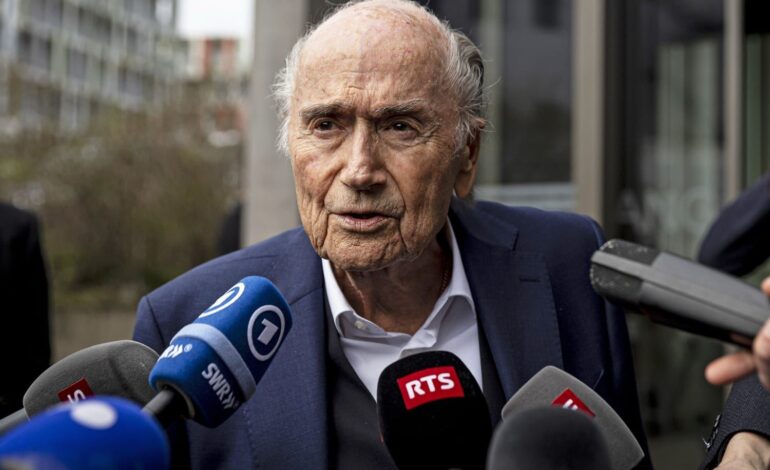
Former FIFA president Sepp Blatter has joined a growing number of football figures calling on fans to skip the 2026 World Cup in the United States, raising questions about whether the U.S. is the right stage for the world’s biggest sporting event. His warning comes amid global attention on U.S. domestic and foreign policies under President Donald Trump, including immigration rules, political tensions, and safety concerns for international visitors.
Blatter, who led FIFA from 1998 to 2015, publicly supported Swiss anticorruption lawyer Mark Pieth’s appeal for fans to reconsider traveling to the United States. Pieth cautioned that supporters could face strict measures if they run into trouble with U.S. authorities and advised bluntly, “Stay away from the USA.” Blatter echoed the call in a social media post, emphasizing that political and safety concerns were serious enough to warrant global attention.

The 2026 tournament, scheduled from June 11 to July 19 and co-hosted by the U.S , Canada, and Mexico, has already faced challenges for fans planning to attend. Travel restrictions and visa hurdles have complicated trips for supporters from countries including Senegal, Ivory Coast, Iran, and Haiti. These measures, combined with political controversies, have fueled growing unease among fans considering making the journey.

Reactions to the boycott call have spread across Europe and Africa. In Germany, football officials have suggested it may be time to seriously consider staying away, drawing comparisons to past Olympic boycotts. South African politicians have urged their national team to withdraw as a form of protest, while fan petitions in Britain and the Netherlands are gaining attention. Despite these voices, national teams have yet to indicate they will pull out.

While the boycott debate unfolds, some organizers and sponsors are closely watching its potential impact. Ticket sales, hospitality packages, and international media coverage could all be affected if a significant number of fans heed the warning. Even a partial boycott would send a strong message about the global community’s awareness of political and social issues surrounding the host nation.
RELATED: