Wayne Lumbasi

Girls and women fleeing northern Mali are recounting deeply disturbing experiences of sexual violence allegedly committed by fighters linked to Russian forces operating alongside the Malian military, shedding light on a hidden and brutal dimension of the country’s worsening conflict.
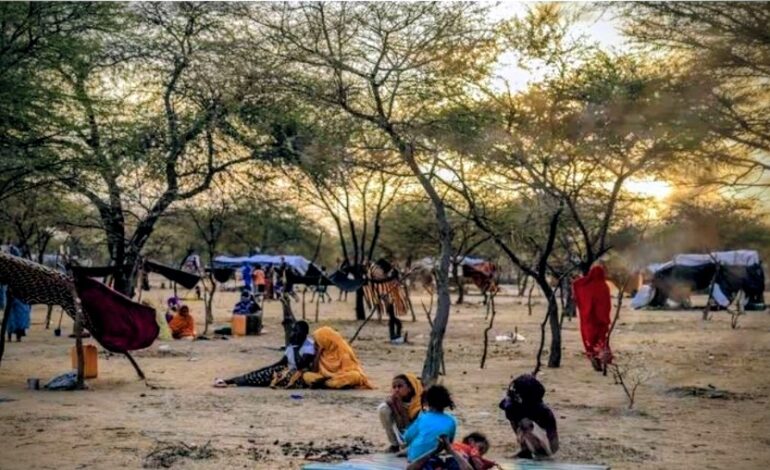
The accounts come from refugees who have crossed into neighboring Mauritania, many of them traumatized and fearful, yet determined to speak about abuses they say took place during military operations in their communities.

Several women described how armed men stormed villages and temporary displacement sites, arriving in military vehicles and helicopters. According to survivors, men were separated from women while homes and tents were searched, often violently.

Women said they were assaulted inside their makeshift shelters, while others spoke of attempted rape carried out under threat of weapons. Aid workers treating refugees confirmed receiving survivors of sexual violence, including a teenage girl who arrived at a clinic in critical condition with severe infection following an alleged assault, underscoring the grave physical and psychological harm caused.
The fighters accused in the testimonies are believed to be members of Africa Corps, a Russian military unit that replaced the Wagner Group and is linked to Russia’s defence establishment. Refugees said the men spoke Russian or operated closely with Malian soldiers during joint operations, moving freely and acting without restraint. Neither Malian authorities nor Russian officials have publicly addressed the specific allegations emerging from these accounts.

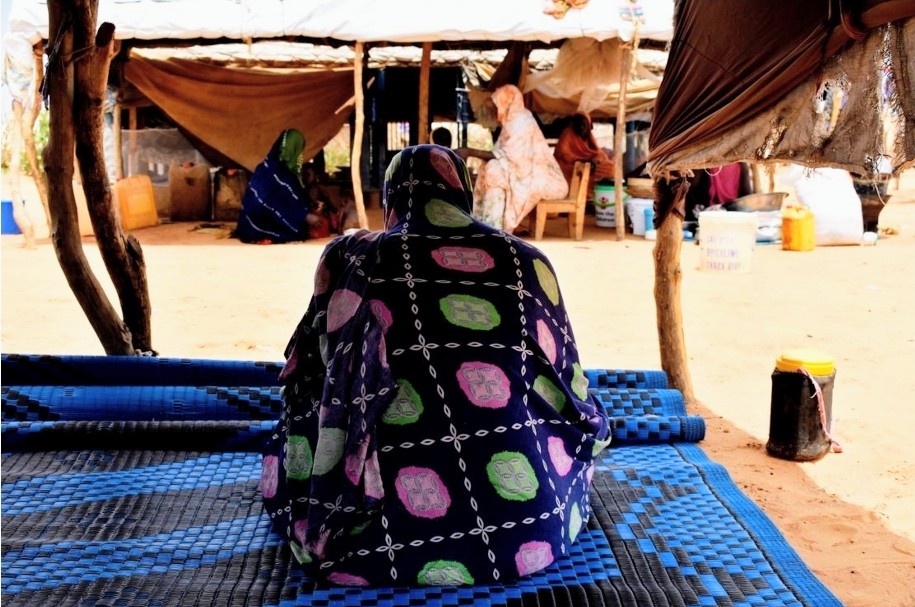
Humanitarian organizations working along the border say the reported cases represent only a small portion of what is actually happening. Sexual violence is rarely reported in many Malian communities due to stigma, fear of rejection, and the risk of retaliation.
Medical workers said many women delay seeking care until injuries or infections become severe, leaving lasting damage to both body and mind. In overcrowded refugee camps, access to specialized medical and psychological support remains limited.

Documenting abuses inside Mali has become increasingly difficult since the expulsion of the United Nations peacekeeping mission in 2023. With fewer independent monitors on the ground and large areas inaccessible, civilian accounts are often the only source of information about what is happening in remote conflict zones. This lack of oversight has allowed violence against civilians to take place largely out of public view.
The allegations emerge against the backdrop of Mali’s prolonged conflict, which has displaced hundreds of thousands of people and exposed civilians to repeated cycles of violence. Women and girls have long faced heightened risks during military operations, but survivors say the current wave of abuse has been especially severe, pushing families to flee across borders in search of safety.
As more civilians escape northern Mali, refugee camps into Mauritania, the surge of women and children carrying deep physical and emotional scars swells. Aid agencies are urging greater protection for civilians, expanded medical and psychological care for survivors, and credible investigations into allegations of sexual violence.
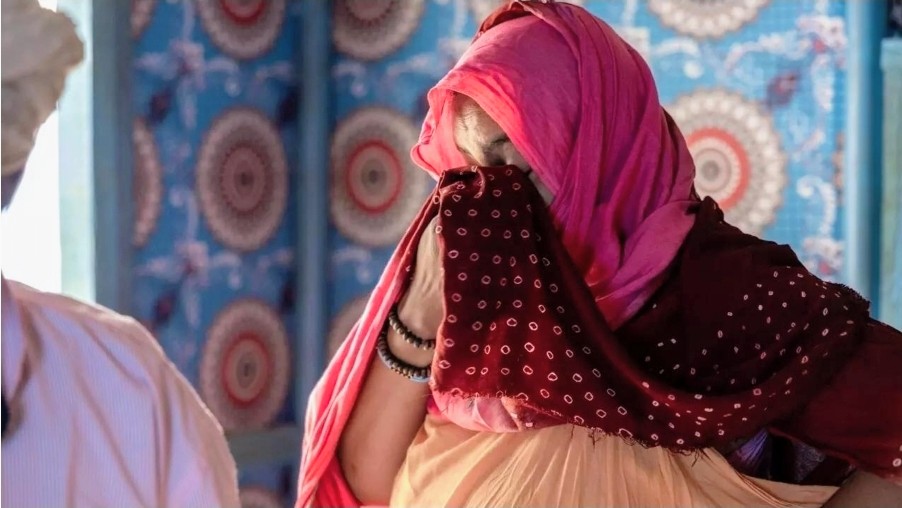
For the women who have fled, speaking out is an act of courage. Many say their greatest fear is not only what they endured, but that their suffering will remain unseen as the conflict continues. Their testimonies offer a stark reminder that behind the fighting and shifting alliances, ordinary people are paying a devastating price.
RUSSIA IS IN AFRICA NOW
RUSSIA’S WAGNER GROUP ACCUSED OF EXPLOITING AFRICA FOR POWER AND PROFIT – REPORT
PUTIN DECLARES RUSSIA AND AFRICA SHARE A SPIRITUAL CONNECTION
RUSSIA TIGHTENS MILITARY GRIP IN WEST AFRICA WITH DEPLOYMENT TO EQUATORIAL GUINEA